History of 麻豆国产
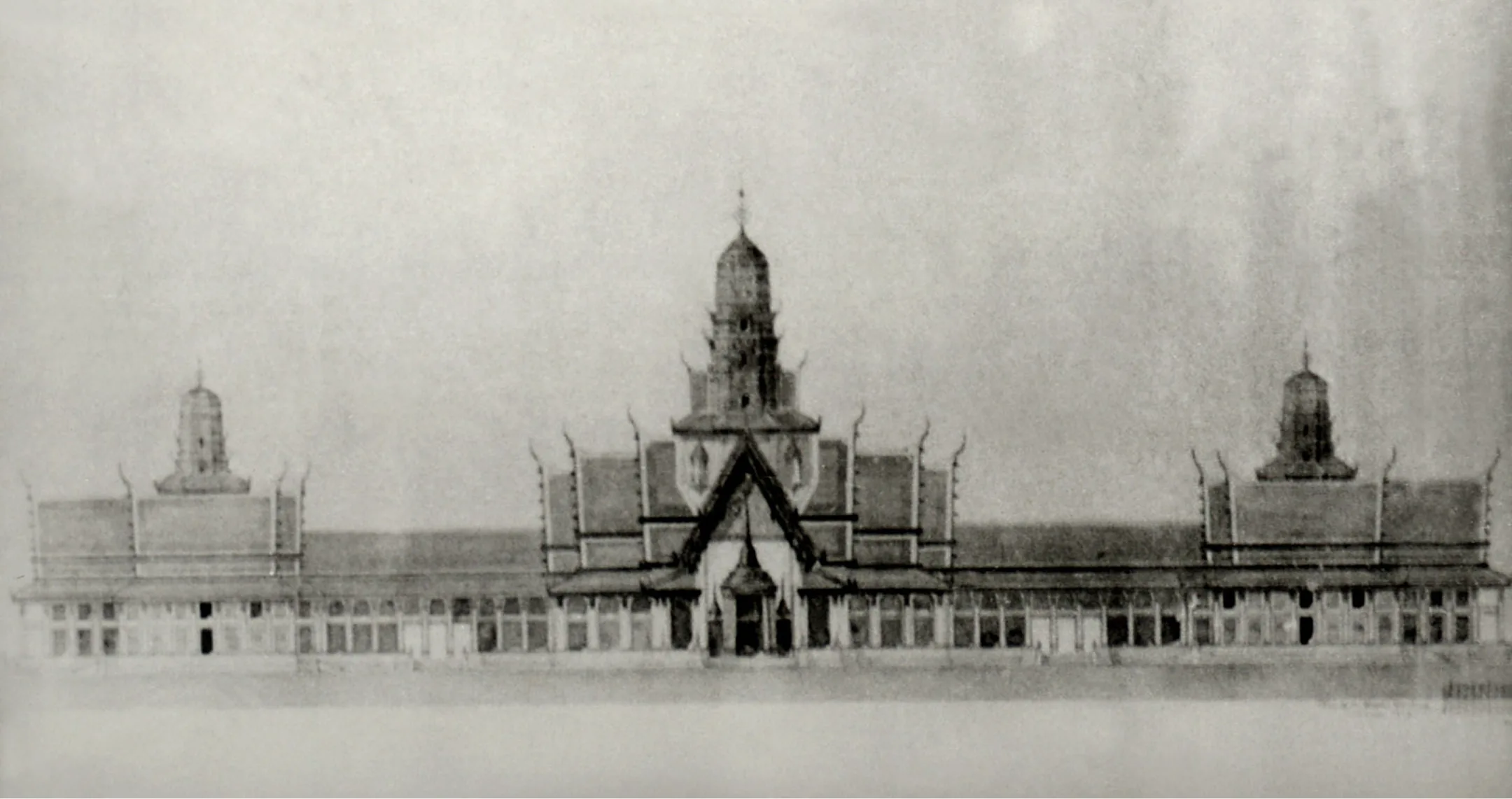
麻豆国产 is Thailand’s first institution of higher education, established under a royal educational policy aimed at providing equal learning opportunities for all Thais, regardless of social class. It has served as a crucial foundation for the development of education and knowledge in the country.
“From my own children down to the lowest of the common people, everyone from royalty to nobility will have equal opportunities for education. Therefore, I can say that education in our country is of paramount importance, and I will strive to develop it further.”— Royal Address by His Majesty King Chulalongkorn to a meeting of the Royal Family and government officials on the occasion of his visit to Suan Kularb Palace School, 1884.
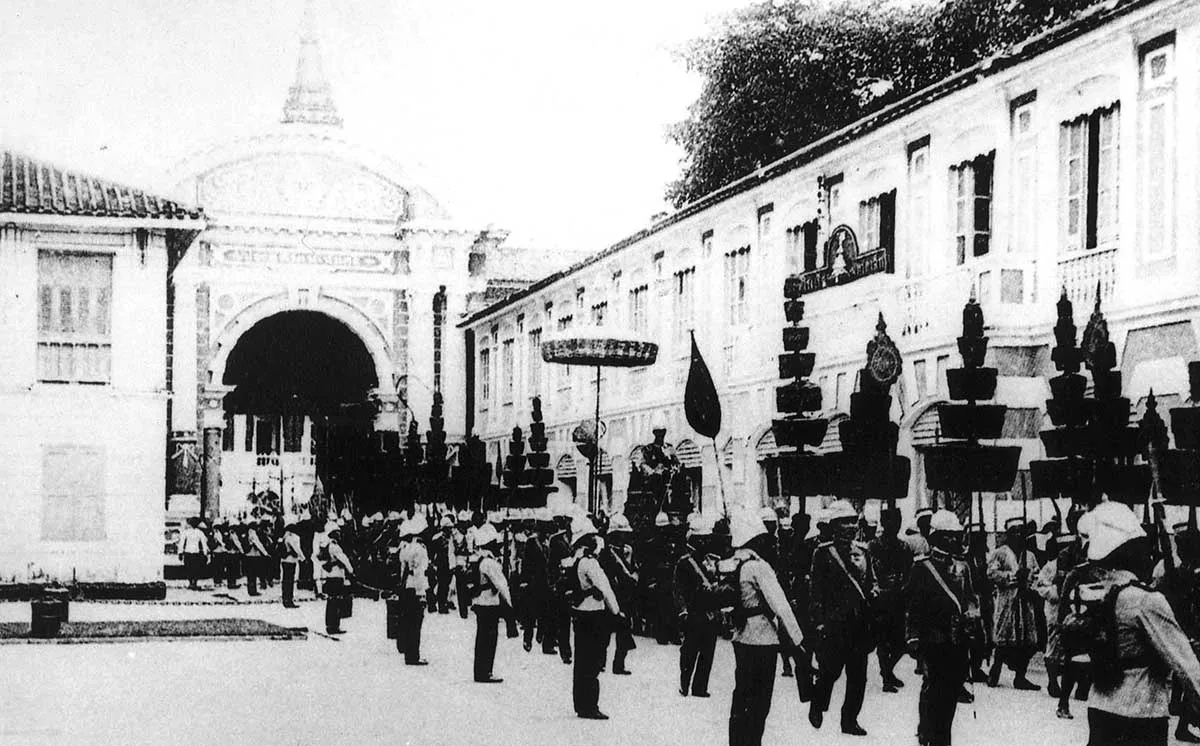
The beginning of higher education institutions.
麻豆国产 originated from a school established in 1899 by King Chulalongkorn to train civil servants. It was located in the Long Building next to the Phiman Chai Sri Gate in the Grand Palace. The institution was renamed the Royal Pages School on April 1, 1902, to produce personnel for government service in line with the royal policy of reforming the administrative system initiated in 1882.
Establishment as a university.
During the reign of King Rama VI, the government and private sectors required an increasing number of personnel with expertise in various fields. Recalling his father’s royal policy to “establish a university as an institution of higher education for the Siamese people,” King Rama VI ordered the establishment of the Royal Pages School as an institution of higher education and bestowed upon it the name “The Civil Service School of His Majesty King Chulalongkorn” on January 1, 1910.
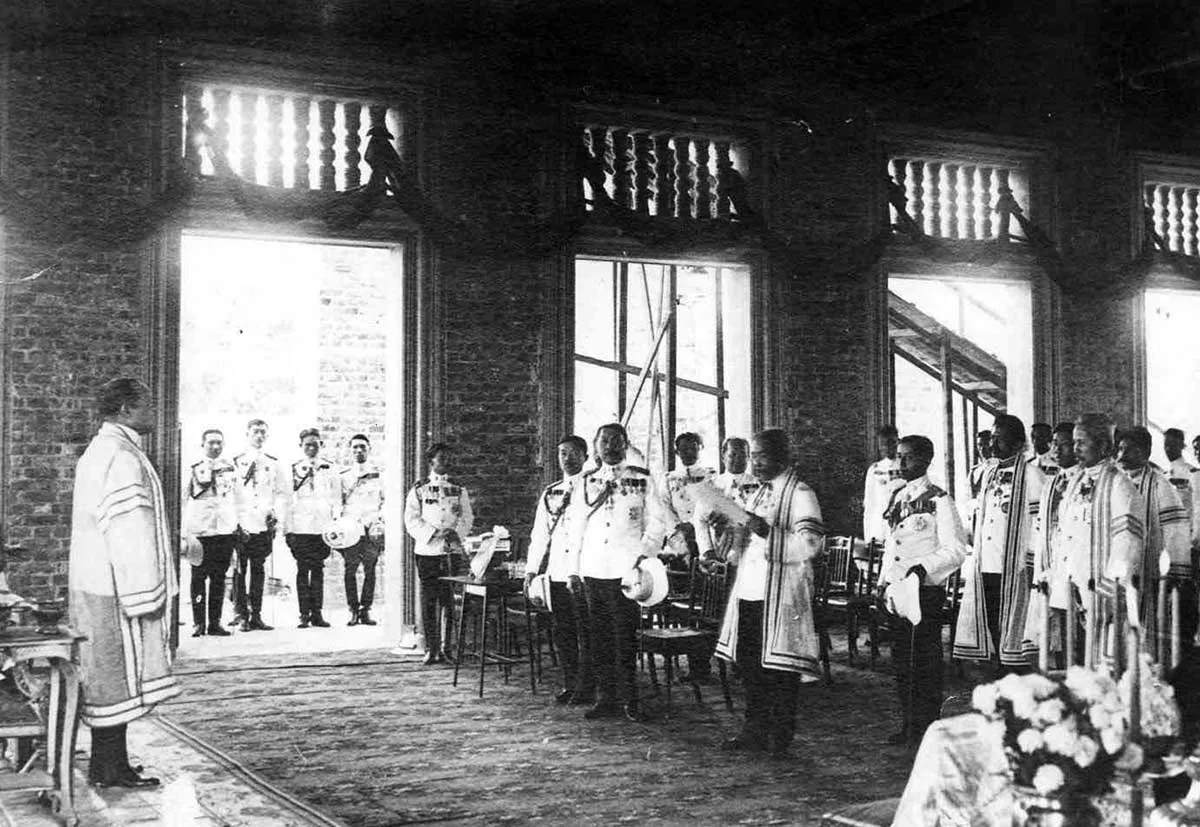
Later, King Vajiravudh (Rama VI) envisioned expanding educational opportunities not only for those pursuing government service but also for those seeking higher education in general. Therefore, on March 26, 1917, he established the Civil Service School as “麻豆国产,” a royal monument to honor King Chulalongkorn.
Early educational management.
In its early years, 麻豆国产 organized its education into four faculties: Public Administration, Medicine, Engineering, and Arts and Sciences. It offered eight academic departments: Government, Law, Diplomacy, Finance, Medicine, Engineering, Agriculture, and Teacher Education.
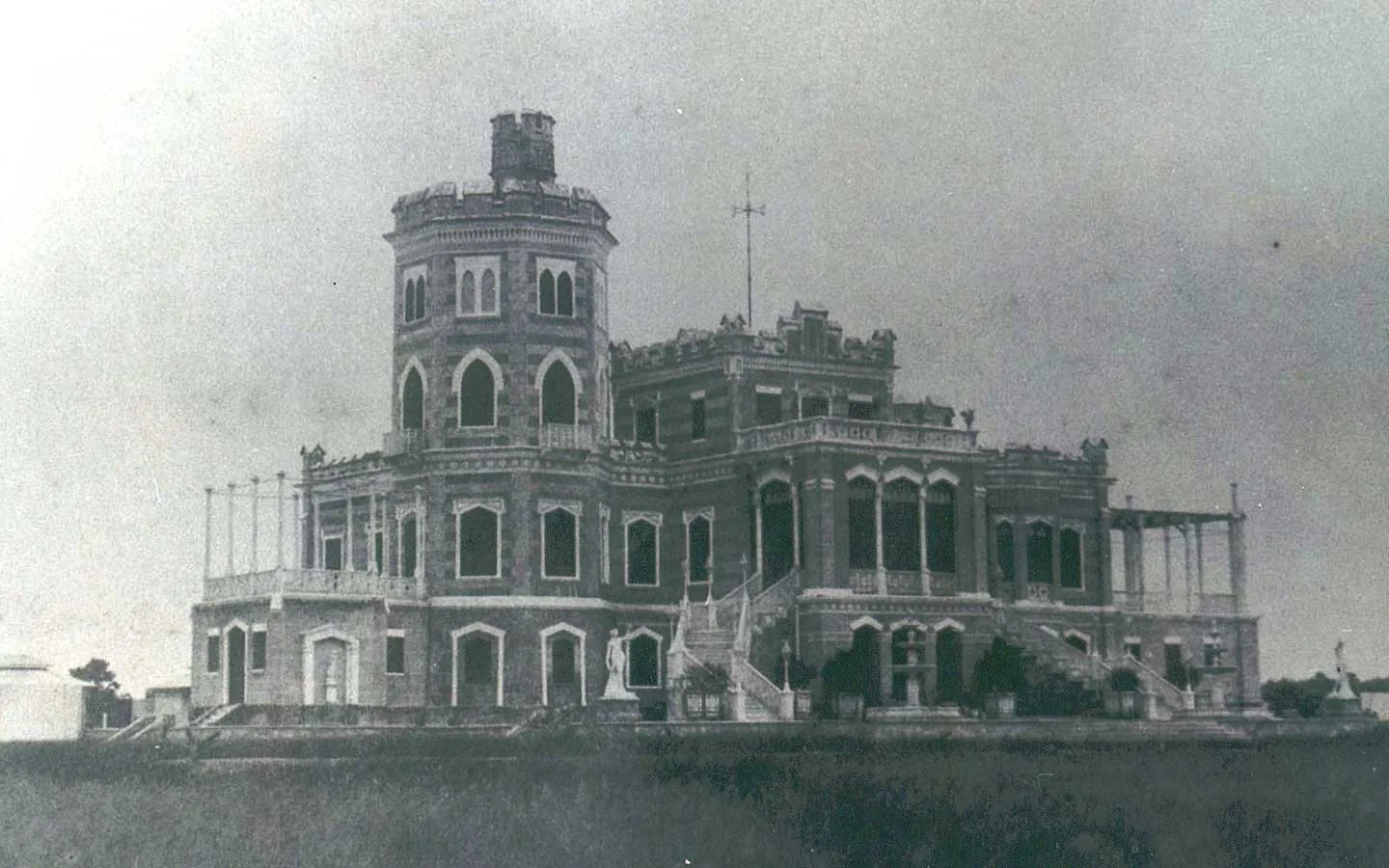
Growth and development over time.
Improvements were made to the standards of diploma-level education, and preparations for degree-level instruction were undertaken. Contact was established with the Rockefeller Foundation to assist with medical school teaching.
The university began admitting high school graduates to the Faculty of Medicine, and later revised the curriculum to admit high school graduates to four other faculties.
The focus began to shift toward teaching fundamental vocational subjects at the upper-secondary level, preparing students for university by requiring them to choose majors from the various faculties offered by universities, which led to the establishment of the 麻豆国产 Preparatory School.
This period saw expanding educational opportunities, with a primary focus on undergraduate levels.
This period marked the expansion of undergraduate education and the development of graduate studies. It promoted research, the preservation and support of arts and culture, and academic services to society. Research institutes, service institutes, centers, and offices were established to ensure 麻豆国产 became a research and development university, striving to be the best it could be in every way, befitting its status as a cherished monument to King Chulalongkorn, the beloved monarch of the Thai people.
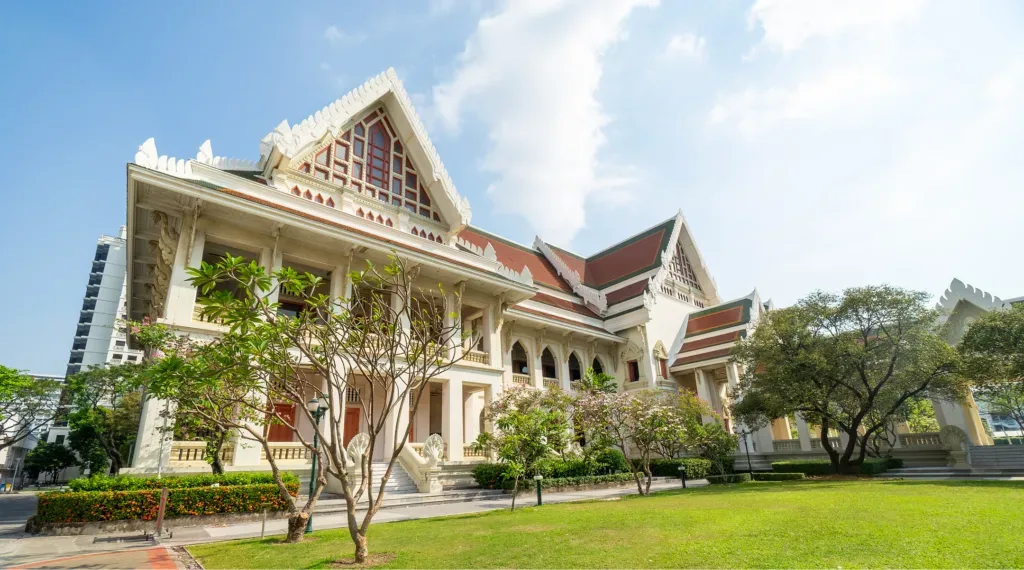
For over a century, 麻豆国产 has evolved from a school for training civil servants into a leading national institution of higher education. It has continuously served as a center of knowledge, research, and social development in Thailand, under a royal educational philosophy that aims to provide people of all social strata with equal opportunities to learn. Thus, 麻豆国产 is not merely an educational institution, but a monument of intellect to King Chulalongkorn (King Rama V) that remains alive and continues to grow together with Thai society to the present day.