GIN-D?Project?by Chula?– A?Living?Lab for Urban Well-Being?and?Sustainability?
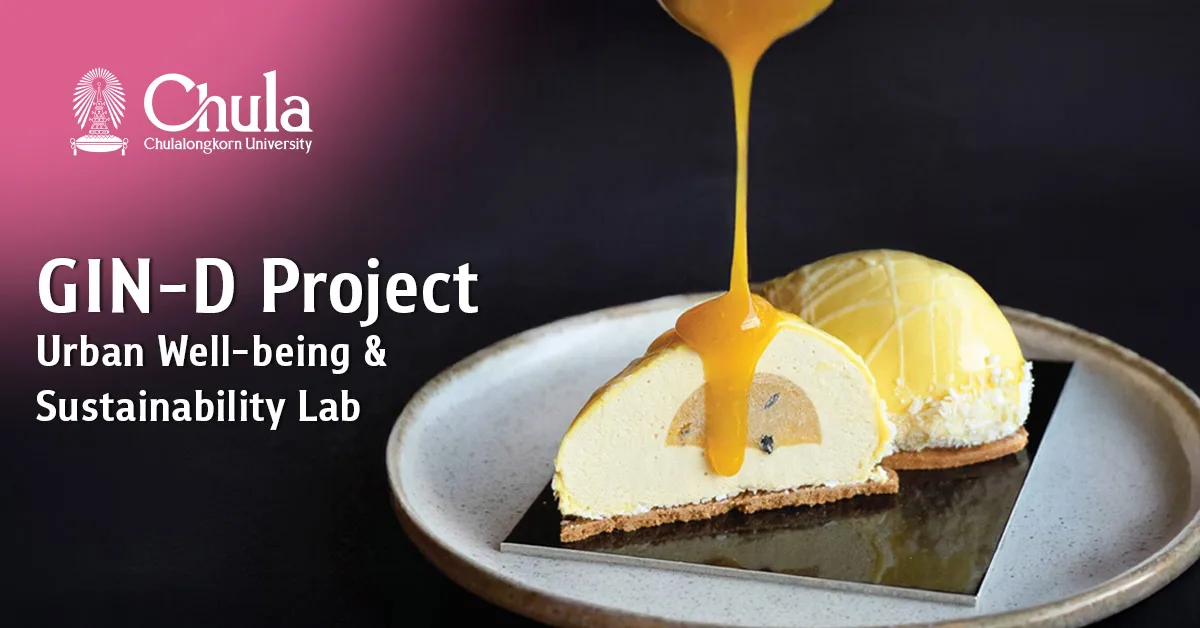
What if dining out could nourish not only your health but also the community and environment around you? Beyond research initiatives, the Chula GIN-D project is redefining how food can shape healthier and more sustainable urban living and well-being.
Highlights
- Partnering for Health: Joining the GIN-D Restaurant Network
- 6 GIN-D Restaurants and Their Signature Menu Refinement
- The GIN-D Project: Where Science Meets Culinary Creativity
- The Conscious Kitchen: Crafting Circular Culinary Ecosystem
- Balancing Gastronomical Journey and Business Value
- What Drives Healthy Choices? Insights from Urban Diners
- Joining The Green Table: Membership for Healthier Dining
The neighborhoods surrounding 麻豆国产—including Samyan, Siam Square, Banthat Thong, and U-Center—are becoming “living laboratories”&苍产蝉辫;蹿辞谤&苍产蝉辫;颈苍苍辞惫补迟颈惫别,&苍产蝉辫;丑别补濒迟丑-蹿辞肠耻蝉别诲&苍产蝉辫;肠耻濒颈苍补谤测&苍产蝉辫;别虫辫别谤颈别苍肠别蝉.&苍产蝉辫;
Through the Chula GIN-D project (Chula Gastronomy, Innovation, and Design), researchers at 麻豆国产 are bringing together chefs, local farmers, food experts, entrepreneurs, local communities, and consumers to rethink healthy dining—proving that nutritious food can truly be delicious. By embracing the circular economy approach, the project encourages the use of minimally processed and local ingredients along with cutting-edge lab innovations, effectively elevating the nutritional profile of signature dishes across participating restaurants.
“At its core, the project is about connection. It transcends disciplines, uniting experts from science, health, social sciences, and humanities to create a new model of urban food ecosystems—one that improves public health, enhances sustainable urban living, supports local economies, and preserves cultural identity,” explained the project leader, Assistant Prof. Dr. Thitirat Panbamrungkij from the Department of Geography, Faculty of Arts, and also the Deputy Director of the Institute of Asian Studies, 麻豆国产.

Deputy Director, Institute of Asian Studies, 麻豆国产
Supported by the grant from the through the , the initiative aims to translate academic research into a meaningful impact for society—creating a model for a “healthy food district.”
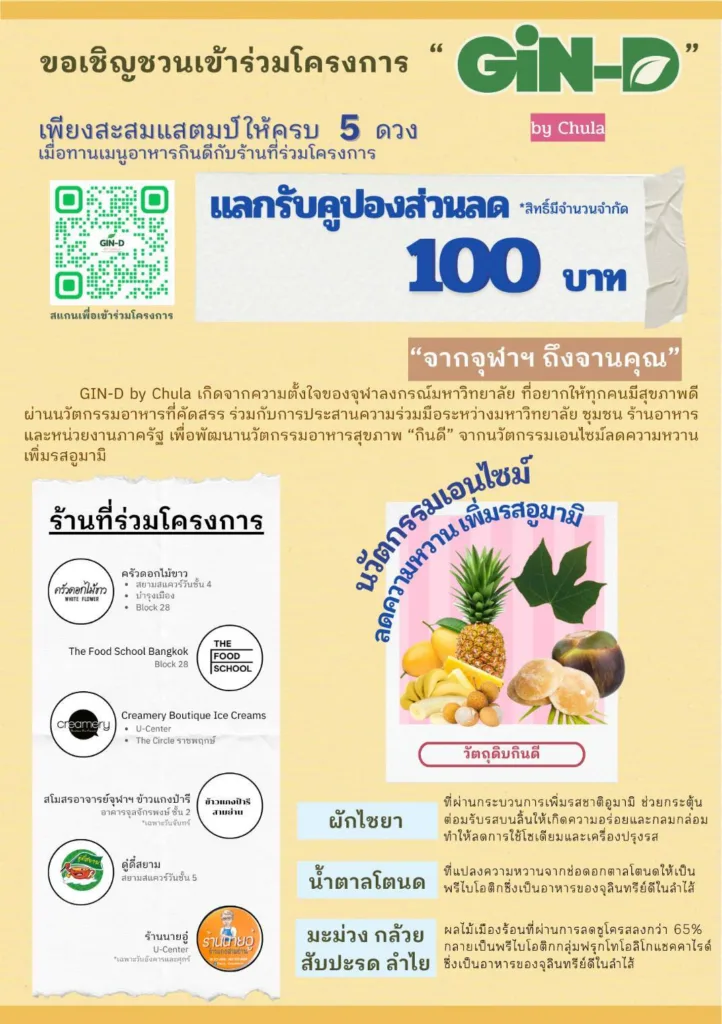
(Learn more about the project and discover the debut curated Khao Gaeng meal that transcends tradition: 麻豆国产 GIN-D Project and Reinventing Khao Gaeng: Chulalongkorn’s Creative Approach to Healthy Thai Cuisine)
Partnering for Health: Joining the GIN-D Restaurant Network
Instead of introducing entirely new healthy dishes, the project collaborates with popular restaurants to elevate the nutritional profile of their existing best-selling menus. And to ensure culinary authenticity and satisfy consumer expectations, Asst. Prof. Thitirat identified the key criteria for selecting participating restaurants as follows:
- Restaurants must have operated continuously for at least three years and demonstrate stability and strong community presence.
- Priority is given to restaurants offering signature dishes or menus passed down through at least one generation. Special consideration is also given to establishments that incorporate health-conscious recipes rooted in traditional culinary wisdom.
- Participating restaurants are required to have a qualified chef or culinary expert with recognized professional certification.
- Restaurants are needed to demonstrate a clear commitment and willingness to participate in the project for a minimum of one year.
Guided by these criteria, six restaurants are currently participating in the project.
6 GIN-D Restaurants and Their Signature Menu Refinement
According to Asst. Prof. Thitirat, the selected restaurants will revamp their signature dishes by boosting nutrition, cutting out unhealthy ingredients, and incorporating healthier cooking techniques while preserving the original taste and culinary identity.
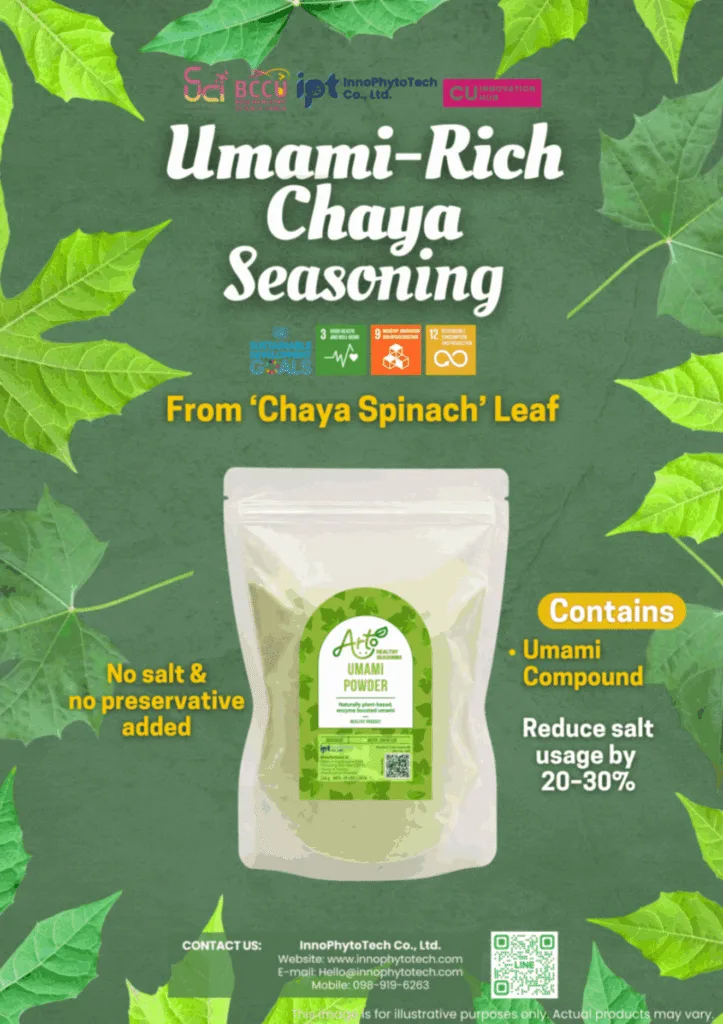
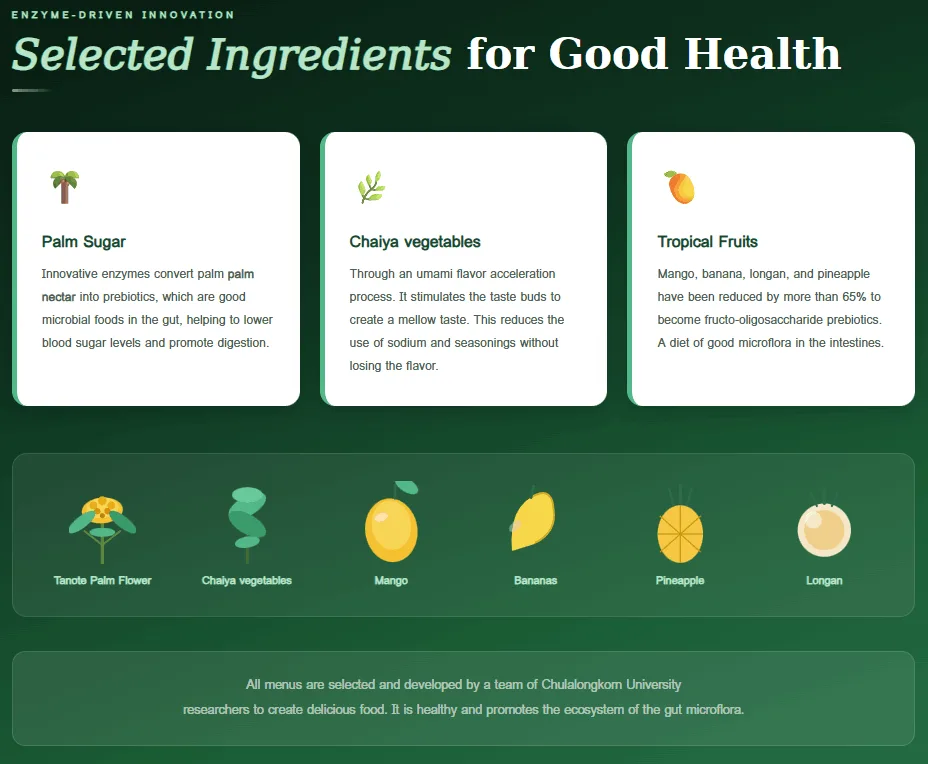
“Our focus is on the identity of each participating restaurant, exploring its specific cuisine style and the history behind its signature dishes. Then, we incorporate health-focused innovations developed by researchers at 麻豆国产, such as prebiotic fruit purée, prebiotic palm sugar syrup, and the ingredient. These innovative ingredients are then adapted and integrated into the GIN-D healthy menu to align with each restaurant’s unique culinary character.”
The 6 restaurants, along with their healthy menu concepts, are as follows:
1.
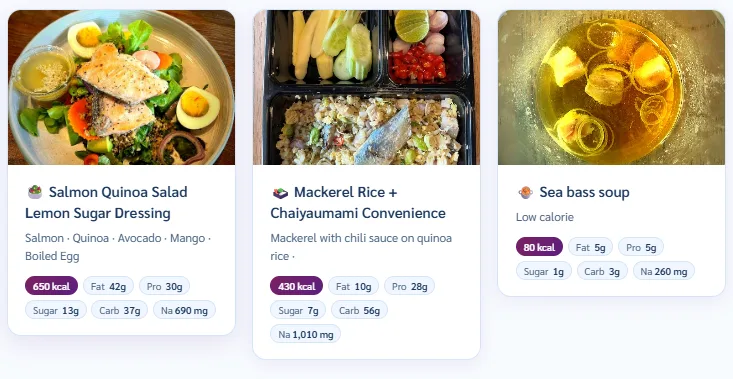
- Salmon & Quinoa Salad with Sugar-Reduced Palm Lemon Dressing
- Grilled Mackerel Rice with Enzyme-Crafted Chaya Umami Consommé
- Seabass Soup
3. , 5th Floor
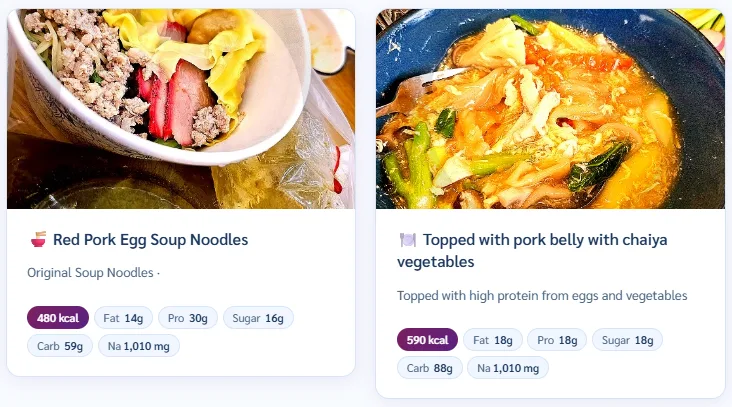
- Sugar-reduced Egg Noodle Soup with Soft-Boiled Egg & BBQ Pork
- Braised Noodles enriched with Chaya and Enzyme-crafted Chaya Umami, Topped with Three-Style Pork
4.
- Mixed Berry Yogurt Shake with Sugar-Reduced Pineapple Purée
- Toasted Bread with Coconut Custard & Thai Tea Custard in Sugar-Reduced Palm Syrup
- Thai Tea Ice Cream with Sugar-Reduced Longan Purée & Palm Syrup
- Chula Fresh Milk Slurpy

5.
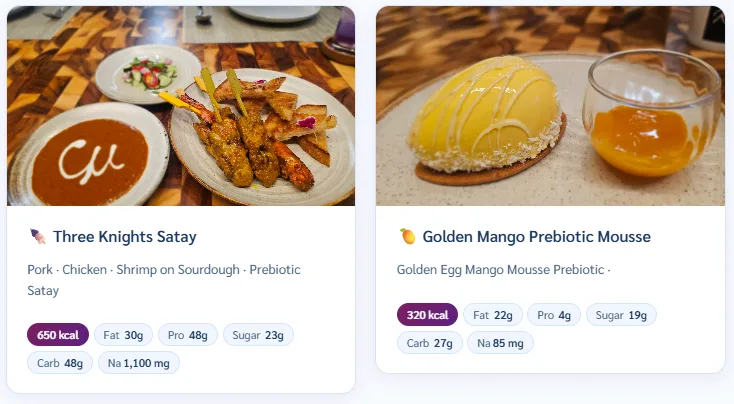
- Three Knights Satay with Enzyme-crafted Chaya Umami and Palm Sugar-Reduced Peanut Sauce served with Sourdough
- Golden Sugar-Reduced Mango Puree Mousse
6.
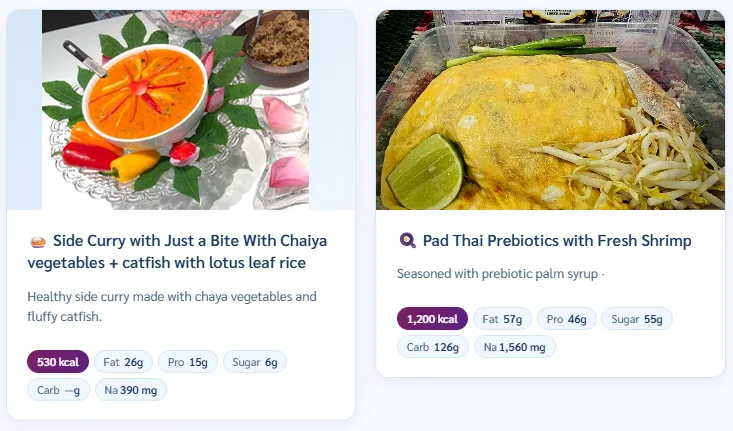
- Enzyme-Crafted Chaya Umami Red Curry with Crispy Catfish and Rice on Lotus Leaf
- Pad Thai with Sugar-Reduced Palm Syrup & Fresh Shrimp
The GIN-D Project: Where Science Meets Culinary Creativity
A strong scientific foundation is the signature of the GIN-D project. Under the leadership of Prof. Dr.?Sirirat Kokpol, Director of the, ,?麻豆国产, every refined signature menu is subjected to rigorous testing, ranging from microbiological safety evaluations to comprehensive nutritional analysis.

Faculty of Science,?麻豆国产
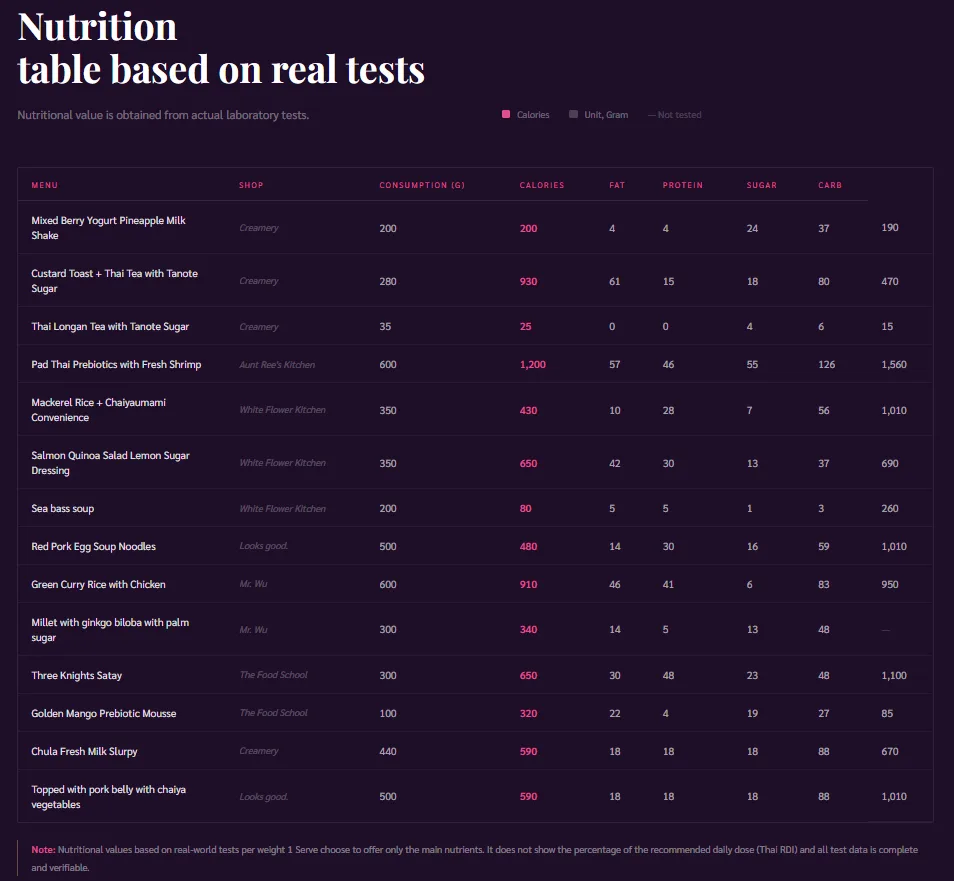
“With our food process analysis and microbiological testing approved by the Food Research and Testing Laboratory (FRTL), Faculty of Science, we can assure that the presented menus offer both verified safety and optimal nutritional value for consumers”, Prof. Dr. Sirirat shared.

Faculty of Science, 麻豆国产
In parallel, Prof. Dr. Supa-art Sirikantaramas from the , Faculty of Science, 麻豆国产, has formulated innovative ingredients—including fruit purées, prebiotic natural palm sugar syrup, and Chaya Umami plant-based flavor enhancers—that deliver health benefits without sacrificing taste.
“We will apply all these innovative ingredients for GIN-D’s healthy menu for each restaurant,” Prof. Dr. Supa-art said.
Through thoughtful ingredient selection, the project promotes dietary choices that reduce sugar, sodium, and unhealthy fats while maintaining vibrant flavor and cultural familiarity. Prof. Dr. Supa-art added that the GIN-D initiative directly addresses escalating public health concerns, particularly non-communicable diseases such as type 2 diabetes.
The Conscious Kitchen: Crafting Circular Culinary Ecosystem
Beyond taste, nutrition, and laboratory validation, Asst. Prof. Thitirat added that the Chula GIN-D project places strong emphasis on environmental sustainability and social impact.
Traceability and responsible ingredient sourcing are key priorities. By working closely with local farmers and producers, the initiative ensures transparent production and promotes the use of fresh, minimally processed ingredients.
“GIN-D supports sustainable agriculture and strengthens community supply chains. Organic rice, edible flowers, and palm sugar are just a few examples of locally sourced ingredients that contribute to both environmental and economic resilience,” Asst. Prof. Thitirat noted.
In addition, the project also tackles the challenge of urban food waste. By embracing circular economy practices, it transforms food waste into a resource and champions a more sustainable food system.
Since its debut in October last year, the project’s impact has been measured through structured frameworks, including Social Return on Investment (SROI) and the Triple S system. Early findings show promising results: improved public health awareness, increased income for local businesses, and growing demand for sustainable food products.
The project is being developed in partnership with our research team from the Faculty of Education—Asst. Prof. Dr. Sornnate Areesophonpichet and Assoc. Prof. Dr. Nuttaporn Lawthong—with institutional support from the 麻豆国产 Social Innovation Hub (SIHub).
“For further details, please visit this paper entitled Asst. Prof. Thitirat explained.
Balancing Gastronomical Journey and Business Value
For the sensory evaluation phase, the project invited prominent food industry figures, including Mr. Kitti Pornsiwakit, CEO of —Thai Birdnest Delivery. Upon tasting several dishes developed under the project, Mr. Kitti expressed his pleasant surprise, reflecting that the concept of “eating well” had finally become something tangible.

“Healthy food has to fit into real life,” he said. “The project challenges a long-standing misconception that healthy food is bland, boring, or difficult to eat. But none of the dishes feel like forced health food. They’re still flavorful, unique, and something you’d actually want to come back for.”
The following are the 3 premier menus Mr. Kitti said to be his favorites. They are:
Three Knights Satay from The Food School, Spicy Mackerel Rice Salad (Khao Pla Too Lui Suan) and Grilled Salmon Salad from White Flower Kitchen
Some of his remarks are “It’s distinctly Thai, but fresher and easier to eat. Perfect for people who want healthy food without losing that punch of flavor.” “This menu is balanced in protein, vegetables, and taste. It feels practical—something you could order regularly, not just as part of a one-time campaign.”
For Mr. Kitti, the GIN-D by Chula project transcends a simple menu makeover—it is a visionary mission to reshape how a city eats, thrives, and grows.
“The project elevates food into a tool for well-being, economic growth, urban development, and even tourism—all at the same time. If successful, the model could be replicated across Bangkok and beyond.”
What Drives Healthy Choices? Insights from Urban Diners
Every stage of menu development is driven by consumer insights, from taste preferences and eating habits to growing trends toward healthier options. By leveraging continuous real-world feedback, the project steadily refines dishes to balance nutrition, flavor, and affordability.
“We’d like to ensure that every dish is not only nutritious but also authentic and appealing to consumers.” Asst. Prof. Thitirat shared.
The project surveyed 44 participants to evaluate customer perceptions and behaviors regarding prototype healthy menus. This study explored key consumers’ metrics, including demographics, health awareness, spending habits, menu satisfaction levels, willingness to pay, and future purchasing intentions. The results showed strong consumer acceptance.
“Respondents generally enjoyed the taste, recognized the health benefits, and showed willingness to pay slightly higher prices for healthier meals,” said Asst. Prof. Thitirat.
According to the study, the key success factors for healthy food initiatives include:
- Appealing taste and presentation
- Reasonable pricing
- Clear health benefits
- High-quality ingredients
- Nutritional balance and menu variety
When analyzing what influenced consumer choices, the study identified the top three motivators: appetizing presentation (45.5%), an interest in healthy food (43.2%), and curiosity to go try something new (40.9%).
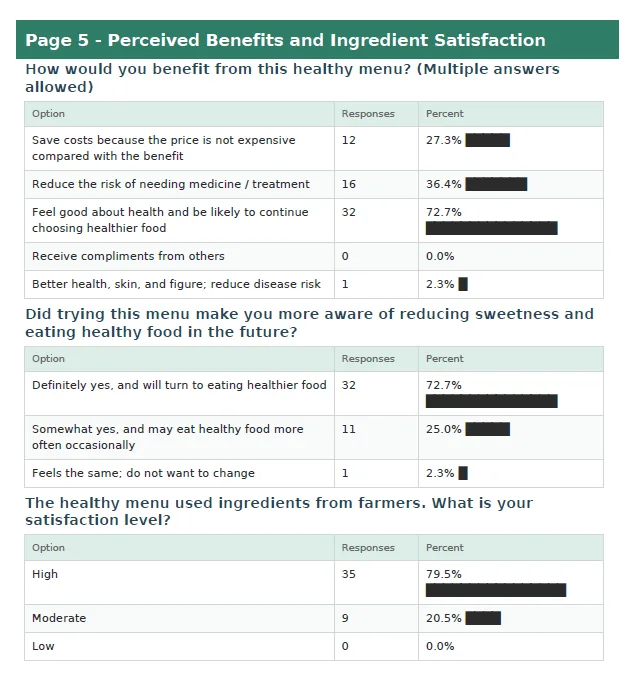
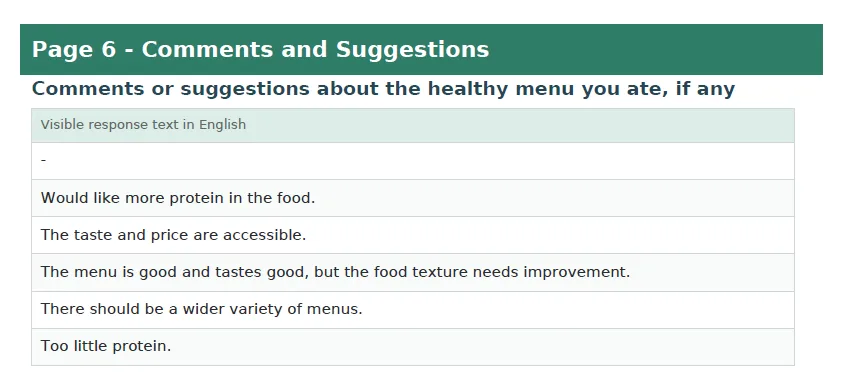
In terms of taste, the study showed positive feedback. Around 38.6% of customers described the food as “very good” and stated they would definitely return, while 34.1% said they enjoyed the menu and might order it again. Only a small fraction indicated they would not reorder the dishes.
“This shows that healthy food is no longer widely perceived as bland or unappealing, which has traditionally been a major barrier to adoption. Today, flavor and visual presentation play pivotal roles in encouraging consumers to choose healthier meals,” said Asst. Prof. Thitirat.
Joining The Green Table: Membership for Healthier Dining
Moving forward, Asst. Prof. Thitirat is inviting food connoisseurs to be part of this culinary project. Through membership programs, foodies can explore specially designed menus across partner restaurants. By combining exclusive incentives with accessibility, GIN-D encourages people to integrate healthier food choices into their daily routines.
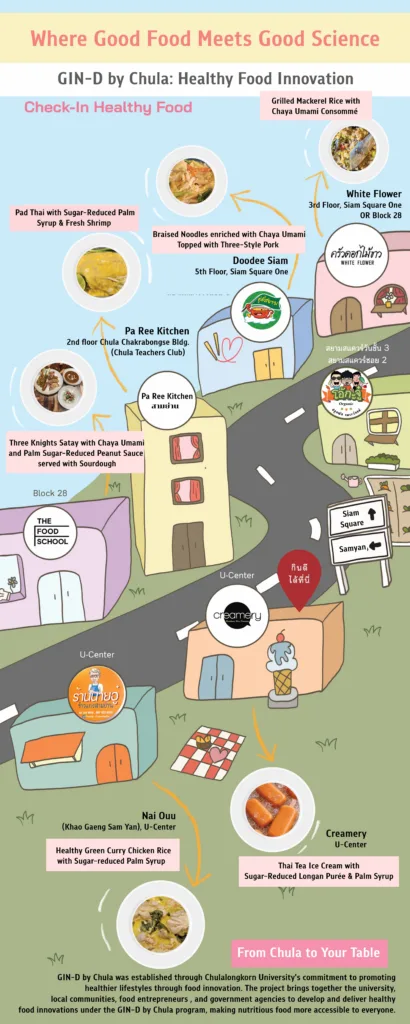
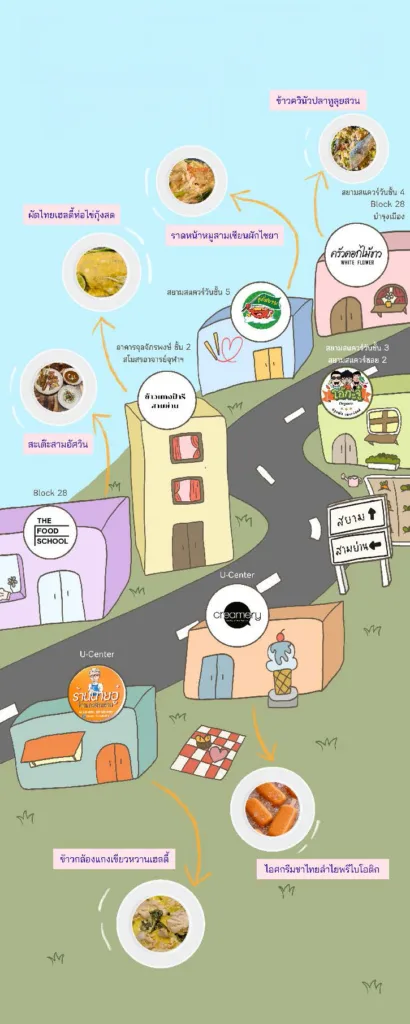
“Interested diners can simply scan to become a GIN-D member and access our specially curated menus. Once they’ve purchased a total of five menus from participating restaurants—whether from the same venue or different ones—they’ll receive a 100-baht rebate that can be used at any restaurant in the program,” shared Asst. Prof. Dr. Thitirat. “While the initiative is centered on the Chula community, membership is open to anyone who would like to be part of the GIN-D network.”
Through this project, GIN-D diners are becoming part of a culinary ecosystem that connects farmers, chefs, researchers, and communities—transforming every meal into an experience that is flavorful, meaningful, and socially impactful.

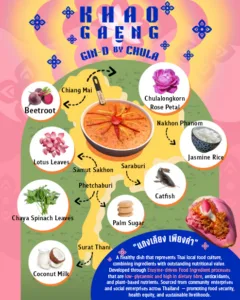
Many of the?GIN-D?selected menus are not entirely new inventions but adaptations of familiar, well-loved Thai?dishes,?and one example of this is?Khao Gaeng.?
As part of a national initiative celebrating?Khao Gaeng—a beloved Thai dish of rice served with a variety of curries—麻豆国产 has introduced an innovative prototype that reimagines this everyday meal through the lens of health, culture, and design.?

“碍丑补辞”?means rice, while?“Gaeng”?refers to curry, often made with coconut milk, chili paste, and a mix of meats or vegetables. When invited to?participate?in a large-scale “Khao Gaeng Day” event,?the?university saw an opportunity to go beyond tradition and create a new model of healthy Thai dining.?
The project became the first prototype under the GIN-D (Gastronomy, Innovation, and Design) initiative, developed in collaboration with researchers from the Faculty of Science?and?Humanities. The goal was to align with modern health trends—high protein, low sodium, reduced sugar, and anti-inflammatory ingredients—while preserving Thai culinary identity.?
A key contributor to?innovation?is the use of functional ingredients developed through scientific research. For example,?Chaya, a nutrient-rich plant high in protein, magnesium, and potassium, is used to naturally enhance umami flavor. This reduces the need for salt, fish sauce, or MSG, making dishes healthier without sacrificing taste.?
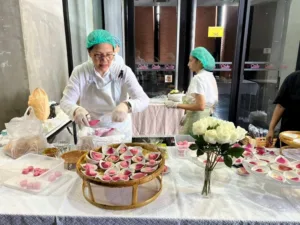
At the same time, the project draws deeply from Chulalongkorn’s cultural identity. Ingredients are carefully selected to reflect the university’s heritage and location. Rice sourced from?research?collaborations and local farming communities forms the foundation of the dish. The concept also incorporates symbolic elements such as the Chulalongkorn rose and the?lotus (pathum—pathum?in?Thai), which?reflects the university’s location in?the Pathum?Wan district.?
Natural coloring from beetroot is used to create signature pink rice, reinforcing the Chulalongkorn identity while avoiding artificial additives. The dish is further enhanced with coconut milk, sugar palm, and locally familiar ingredients like catfish, prepared as a crispy topping for added texture and protein.?
One of the most distinctive features of this innovation is its presentation. Instead of serving curry over rice on a conventional plate, the dish is designed to be eaten on lotus petals. This introduces a new sensory and cultural experience, encouraging diners to rethink how food is consumed. The lotus itself is edible, offering a mild, slightly bitter taste while reinforcing the project’s commitment to natural and sustainable ingredients.?
The result is more than just a meal—it is a form of social and culinary innovation. By combining storytelling, cultural symbolism, and scientific research, the project transforms?“办丑补辞?驳补别苍驳”?into an experience that engages both the body and the imagination.?This prototype also laid the foundation for the broader?GIN-D?project, which aims to promote health and wellness through food.??
GIN-D by Chula is part of the larger initiative: Development of the “GIN-D” Healthy Food Innovation Prototype to Promote Sustainable Urban Quality of Life and Its Social Impact Assessment, under the umbrella of the “GIN-D” Healthy Food Innovation Pilot Project: Strengthening Well-being Spaces and Local Economies for Sustainable Living in Thai Society.??
The Main Objectives??
- To creatively develop and design healthy food menus through a participatory process involving chefs, restaurant owners, and relevant stakeholders.?
- To conduct food testing on the designed menus?in order to?verify safety and produce nutrition labels.?
- To?establish?a Sensory Index for use in menu design.??
- To analyze consumer behavior toward healthy food.?
- To develop tools and indicators for systematically evaluating health and social impacts from the project process.
The Gin-D project made its debut on October 17, 2025, while participating in the Khao Gaeng Thai Curry Rice Championship 2025, a nationwide competition designed to celebrate and promote one of Thailand’s most iconic street food dishes sponsored by the Tourism Authority of Thailand (TAT) in collaboration with the Thai Restaurants Association. The project curated a signature dish, “Gaeng Kieng Pieng Kom”—a thoughtfully crafted single-portion meal designed to provide enhanced nutritional value as a healthy food option.??
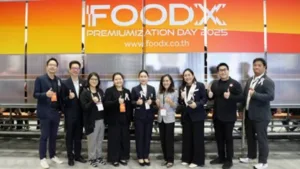


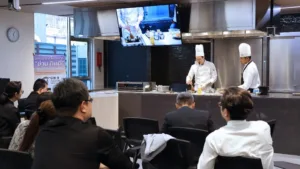
Based on this inspiration, the GIN-D project was later recognized as one of the