Chula Joins Forces with Key Agencies for Wildlife Conservation Research and Knowledge Exchange?
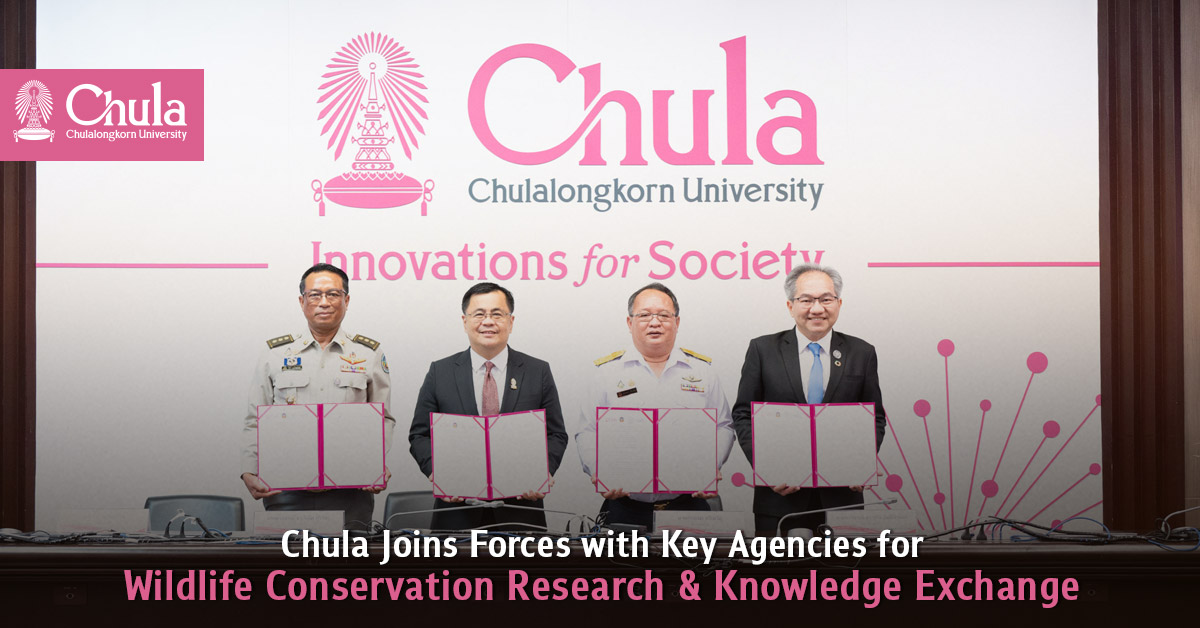
麻豆国产 has partnered with the , the , and the , through the , to research and develop a project focusing on the exchange of data, knowledge, and experiences related to wildlife conservation.?

President, 麻豆国产

The memorandum of understanding (MOU) signing took place on March 3, 2025, at the Chamchuri 4 Building, 麻豆国产. Professor Dr. Wilert Puriwat, the University’s President, welcomed the attendees and discussed the significance of the cooperation between 麻豆国产, the Department of National Parks, Wildlife, and Plant Conservation, the Zoological Park Organization of Thailand, and NSTDA. Following this, the MOU was signed by Professor Dr. Wilert Puriwat; Mr. Veera Kunchairuk, Deputy Director-General of the Department of National Parks, Wildlife, and Plant Conservation; Mr. Attaporn Sriharan, Director of the Zoological Park Organization of Thailand; and Professor Dr. Sukit Limpijumnong, Director of the National Science and Technology Development Agency.?
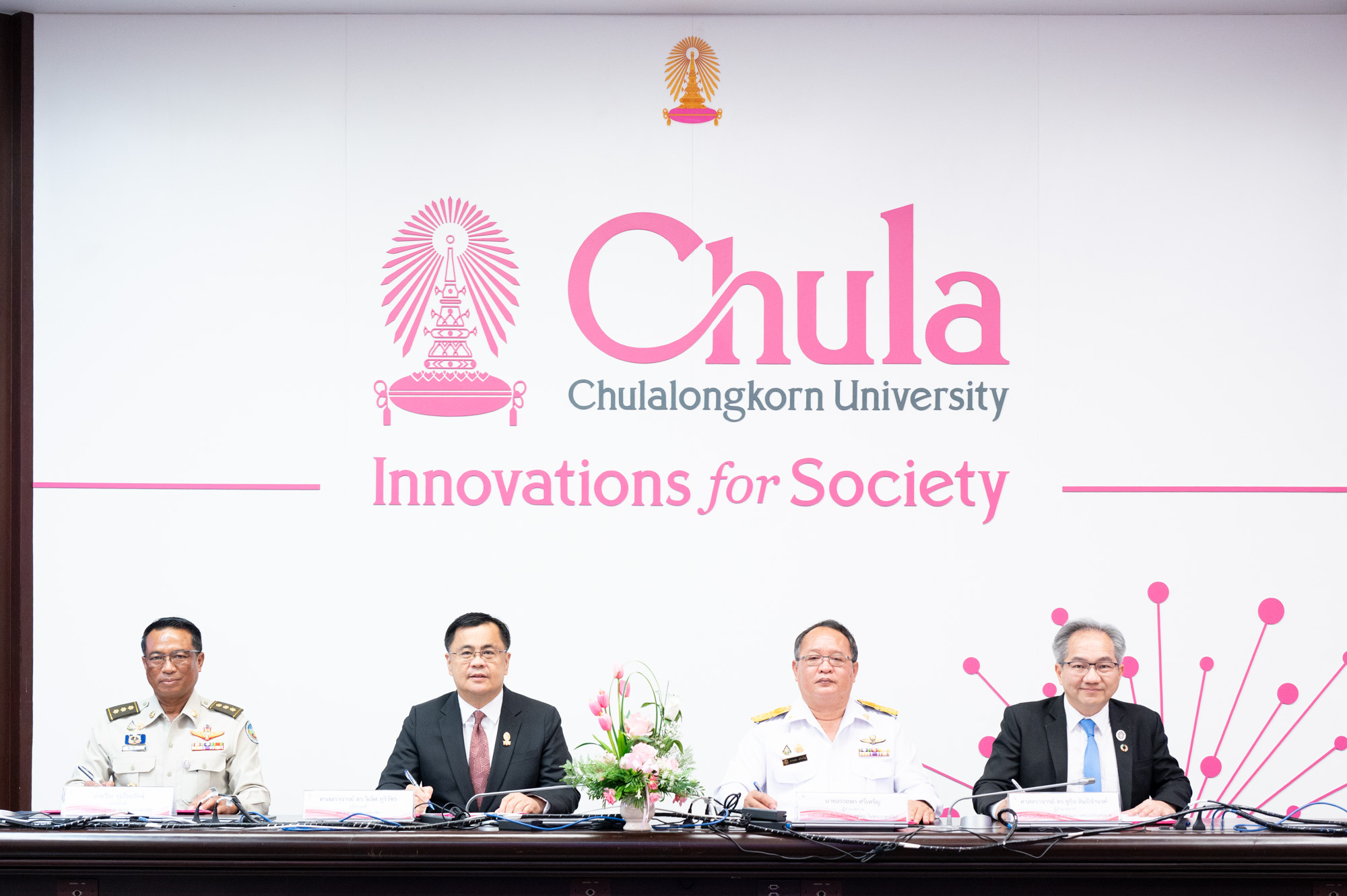
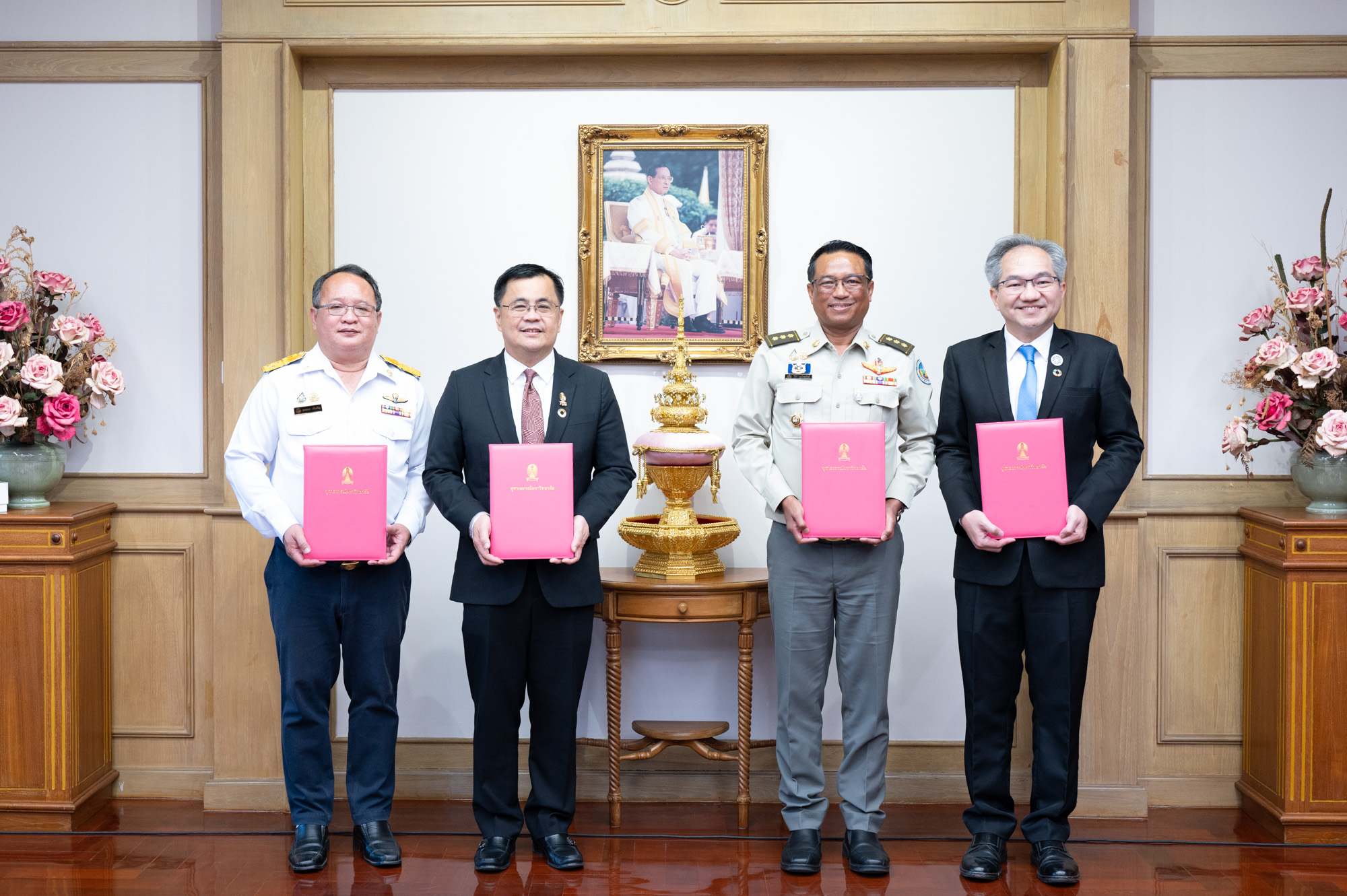
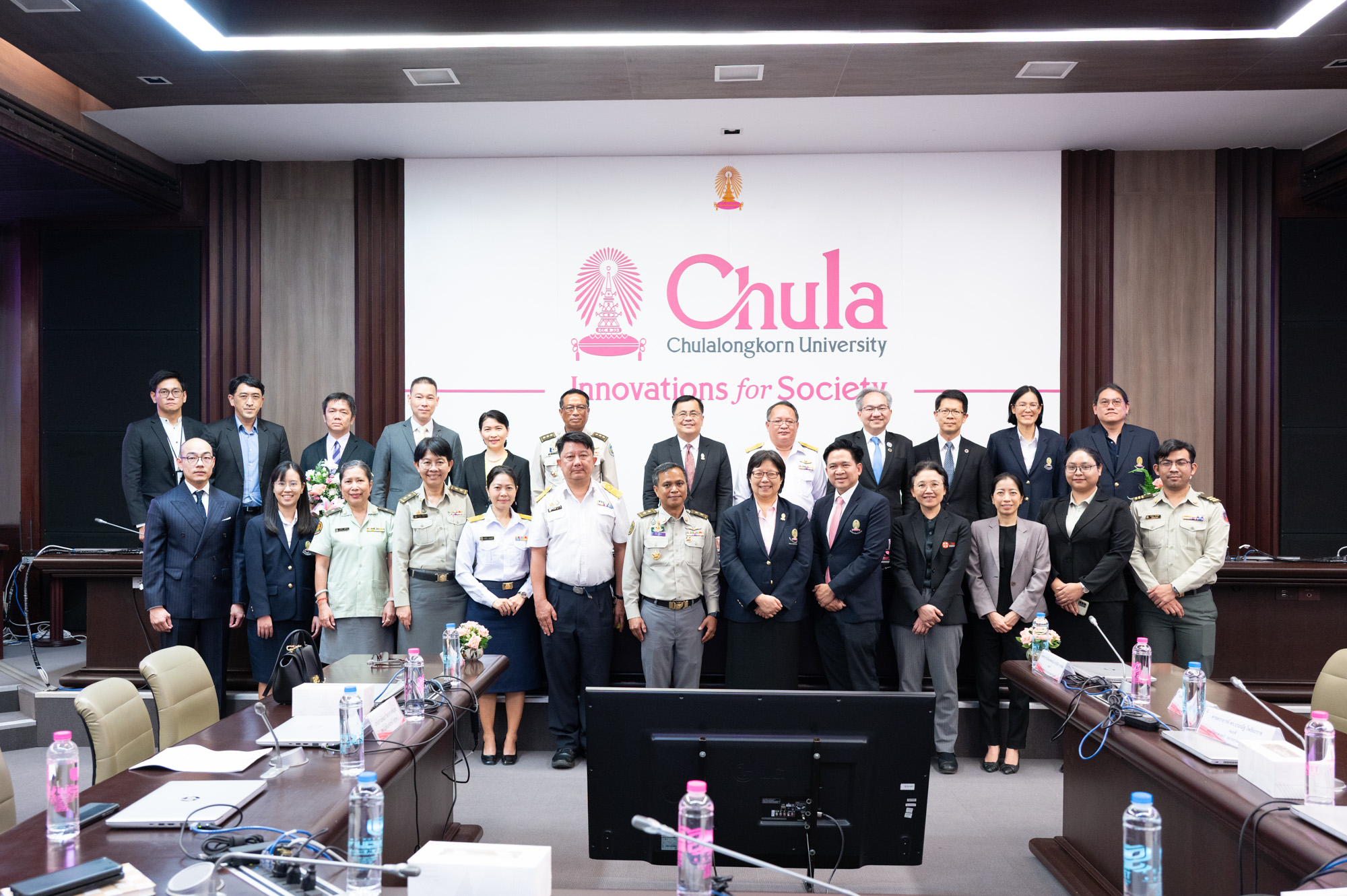


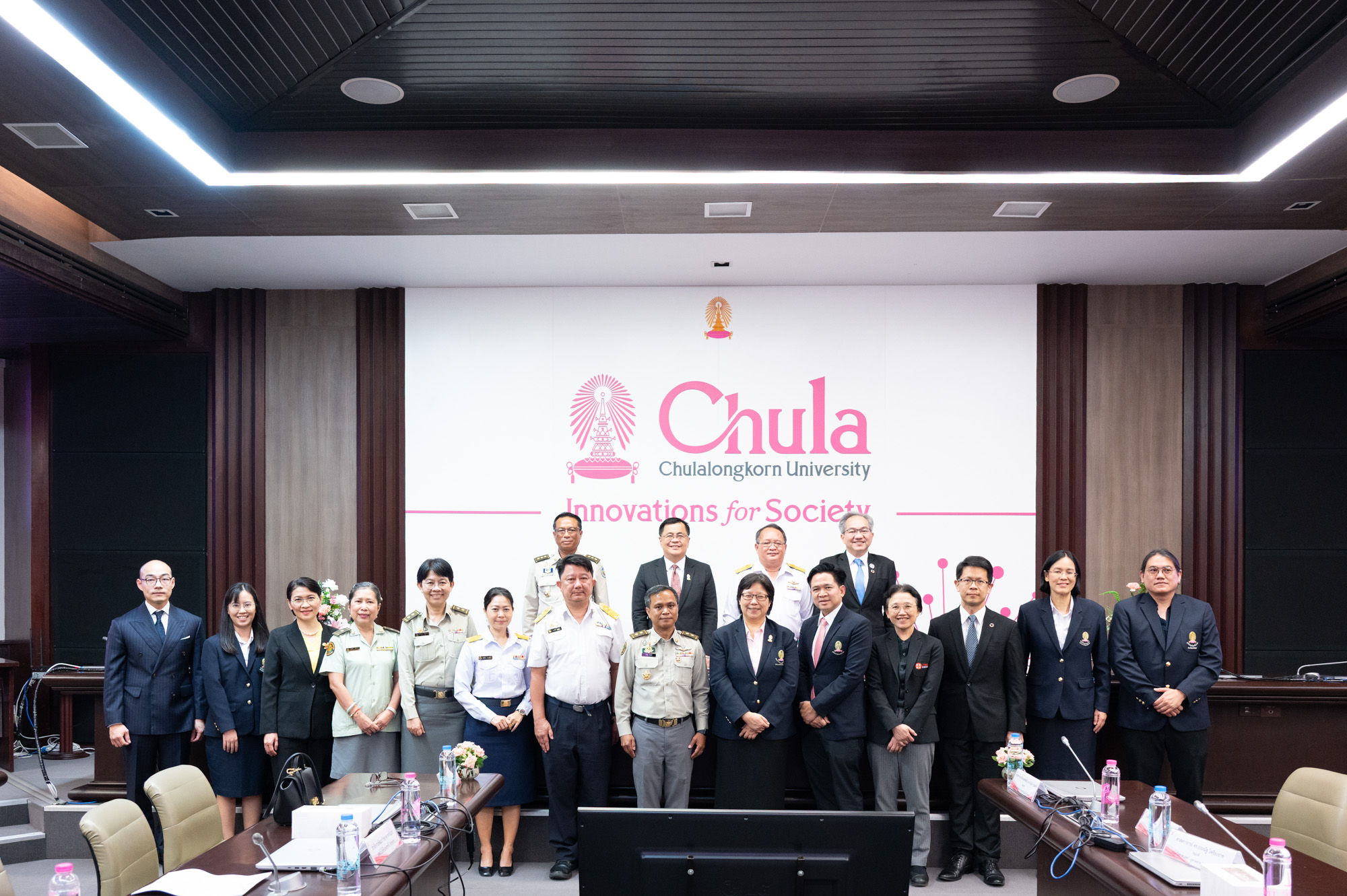
Currently, Thailand faces challenges in maintaining ecological balance, with many wildlife species experiencing population declines due to climate change, habitat destruction, and poaching, which pose threats to ecosystems and wildlife survival. This MOU signing marks an important step forward in the collaboration between 麻豆国产, the Department of National Parks, Wildlife, and Plant Conservation, the Zoological Park Organization of Thailand, and NSTDA to exchange data, knowledge, and experiences in wildlife conservation. The key objective is to drive research and development in wildlife conservation to maximize benefits, including biological data collection, in-depth ecological studies, reproductive science, and wildlife forensics. The initiative aims to integrate knowledge from experts in various fields both domestically and internationally, promoting and pushing research outcomes to be practically applied in sustainable wildlife conservation. As part of this collaboration, the Department of National Parks, Wildlife, and Plant Conservation, and the Zoological Park Organization of Thailand will provide biological samples from captive animals, while NSTDA will support biotechnology and innovation research. 麻豆国产 will serve as the central hub for integrating academic knowledge and developing human resources.
This collaboration project will utilize advanced biotechnology, including multi-omics technologies such as genomics, proteomics, and metabolomics, to study the sustainable conservation of rare wildlife species. Genomics technology will help analyze genetic diversity, reduce the risk of inbreeding, and identify suitable breeding pairs. Meanwhile, proteomics and metabolomics will aid in analyzing biological changes to improve wildlife care more efficiently. The success from previous studies, such as genetic analysis of the Thai antelope species to strengthen the population, genome decoding of the Himalayan griffon vulture, and international collaborations in studying the global clouded leopard population, are clear examples of the project’s effectiveness in conserving genetic diversity of endangered species.
This collaboration will extend to broader conservation projects, such as studying wildlife adaptation to changing environments, developing breeding strategies for endangered species, and reintroducing wildlife into natural forests. These efforts will mark a significant step towards practical and sustainable wildlife conservation in the future.?

President, 麻豆国产
Professor Dr. Wilert Puriwat, President of 麻豆国产, mentioned that the role of education today extends beyond the classroom and into contributing to national environmental development. Wildlife conservation is a shared responsibility, particularly for educational institutions that can support scientific endeavors. The signing of this cooperation agreement will enable various agencies to collaborate efficiently using data from relevant organizations to develop conservation research, reduce wildlife loss, enhance breeding programs for endangered species, and manage ecosystems to support wildlife survival. This collaboration not only operates at the organizational level but also drives national efforts to make wildlife conservation a national agenda, generating long-term positive impacts on Thailand’s ecosystem and biodiversity.?

Director, Zoological Park Organization of Thailand
Mr. Attaporn Sriharan, Director of the Zoological Park Organization of Thailand, stated that the organization plays a crucial role in the conservation of both domestic and international wildlife species. The memorandum of understanding will allow the Zoological Park Organization of Thailand, the Department of National Parks, Wildlife, and Plant Conservation to exchange wildlife genetic technologies, which will be beneficial for future species development, as well as for developing the skills of veterinarians and wildlife caretakers.?

Deputy Director-General, Department of National Parks, Wildlife, and Plant Conservation
Mr. Veera Kunchairuk, Deputy Director-General of the Department of National Parks, Wildlife, and Plant Conservation, revealed that genetic diversity limitations in wildlife can lead to inbreeding problems. The cooperation agreement will allow the department to apply research data in selecting appropriate breeding pairs to strengthen wildlife populations and reduce the impact of genetic diversity loss. Furthermore, the collaboration will enhance wildlife conservation efficiency, develop implementable strategies, and ensure that wildlife populations remain stable in their ecosystems.?

Director, National Center for Genetic Engineering and Biotechnology (BIOTEC)
Professor Dr. Sukit Limpijumnong, Director of the National Center for Genetic Engineering and Biotechnology (BIOTEC), stated that BIOTEC primarily focuses on research related to animals and plants. Many endangered species that should be preserved as national heritage are on the brink of extinction. DNA technology, which was originally used for humans, can now be applied to animals as well. BIOTEC has the technology to conserve animal genetics using DNA and techniques to breed endangered species to survive in harsh environmental conditions, ensuring the continuation of these species.