The Asia Forward Series Explores Asia’s Role in a Fragmented Global Order?
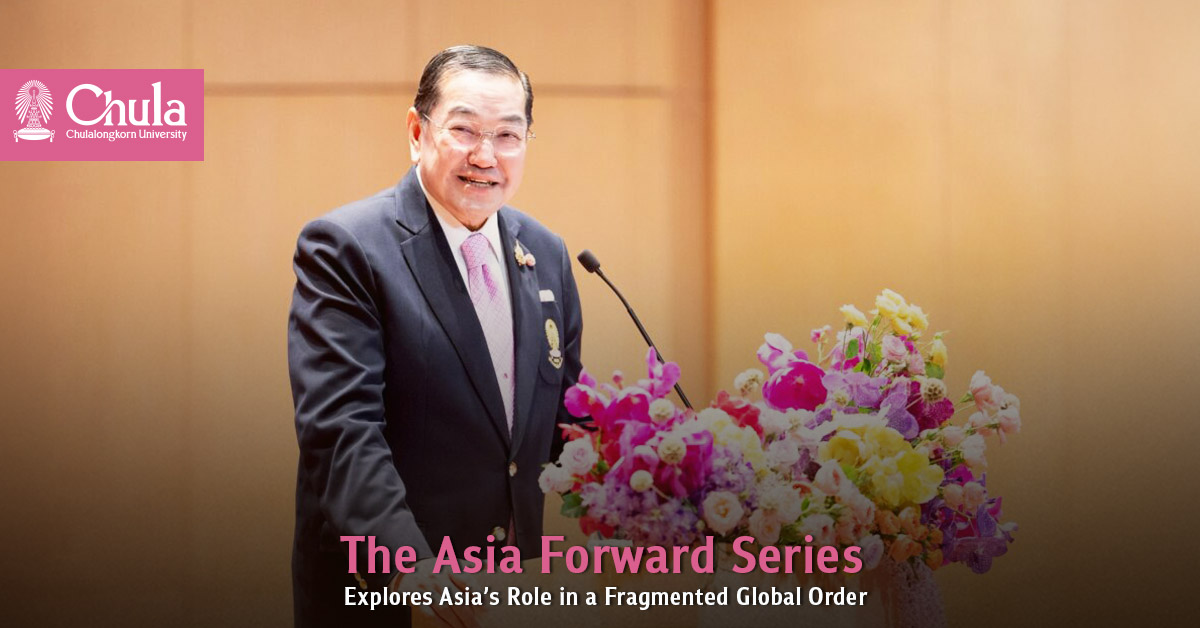
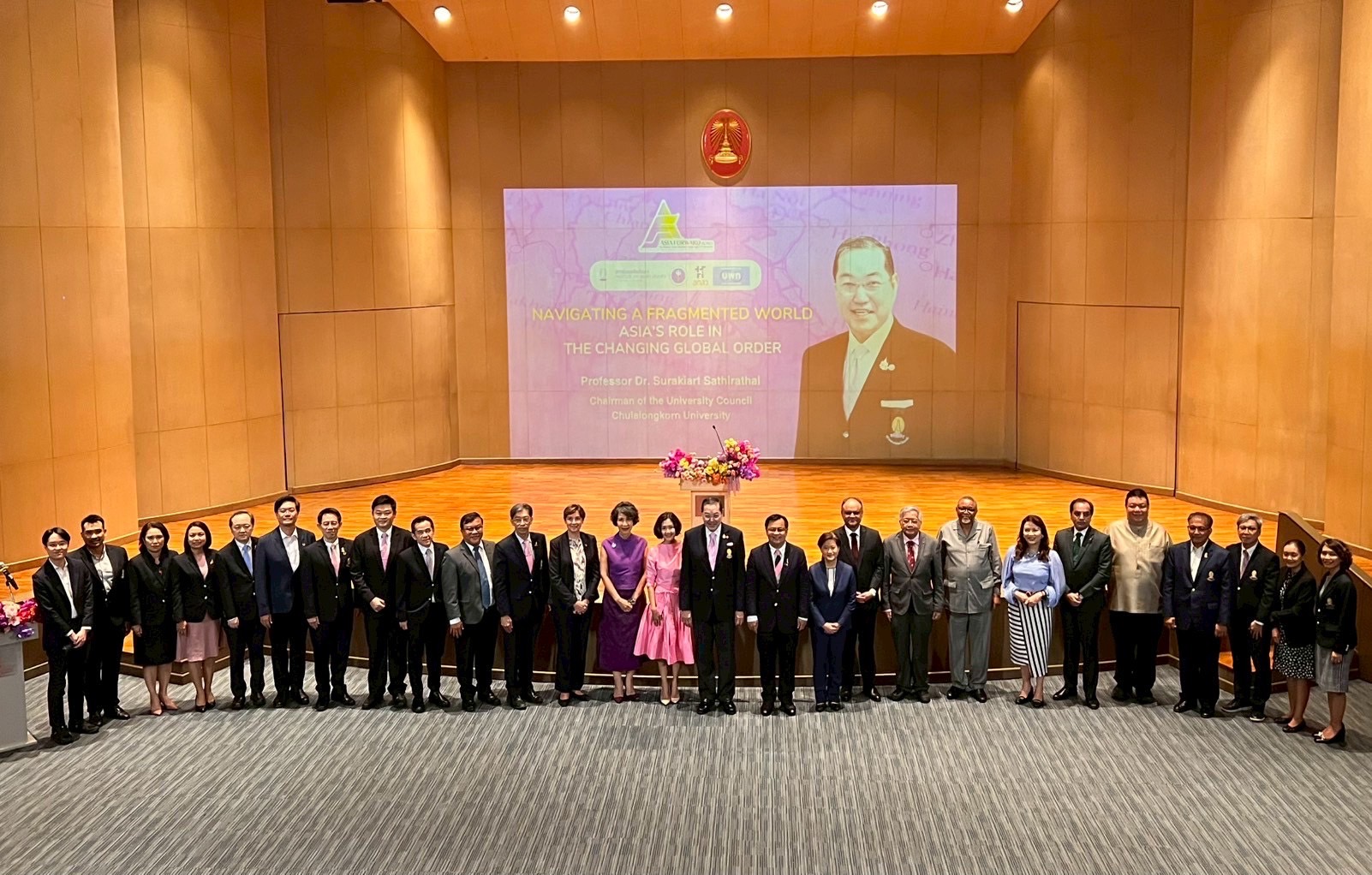
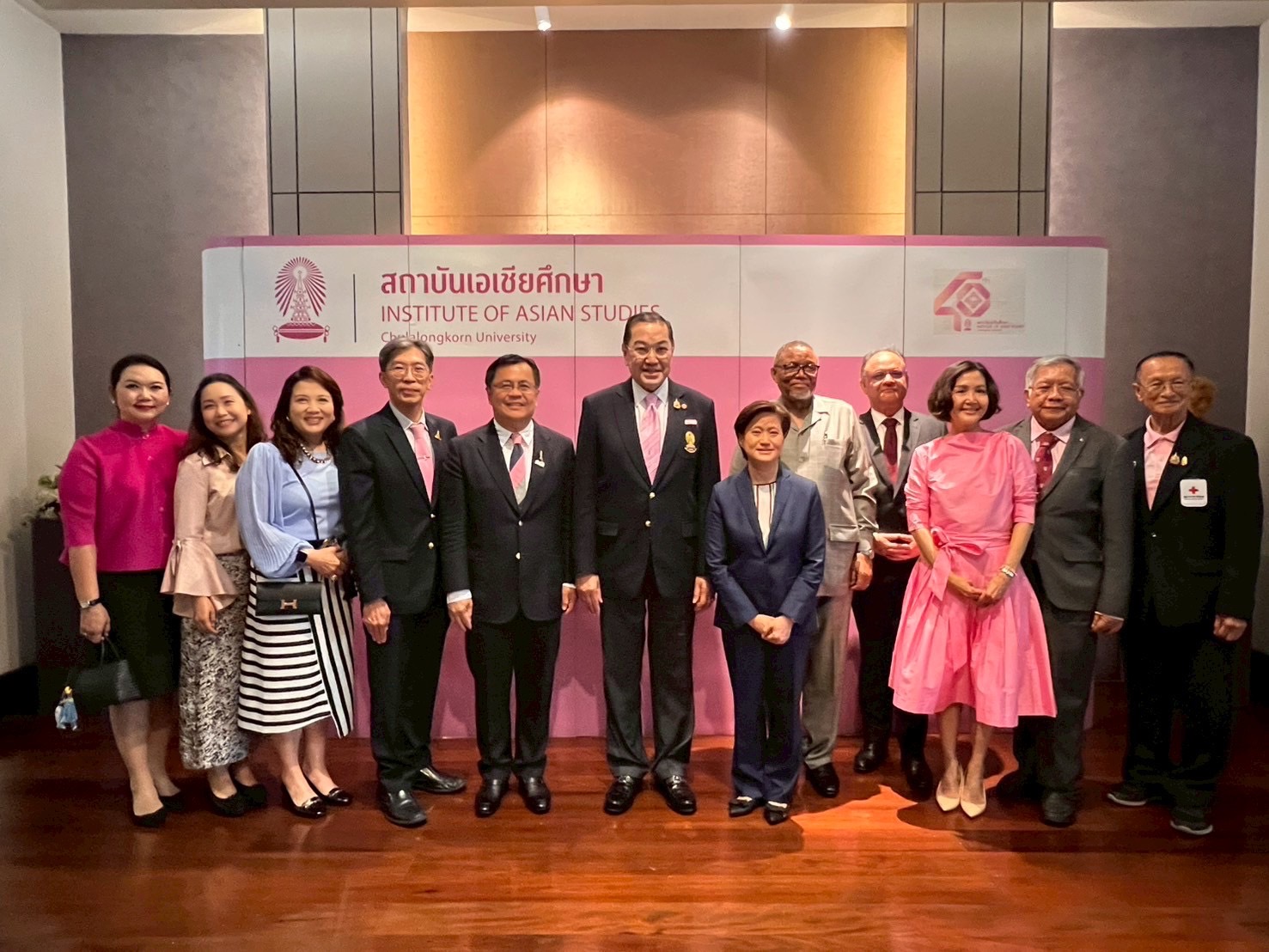
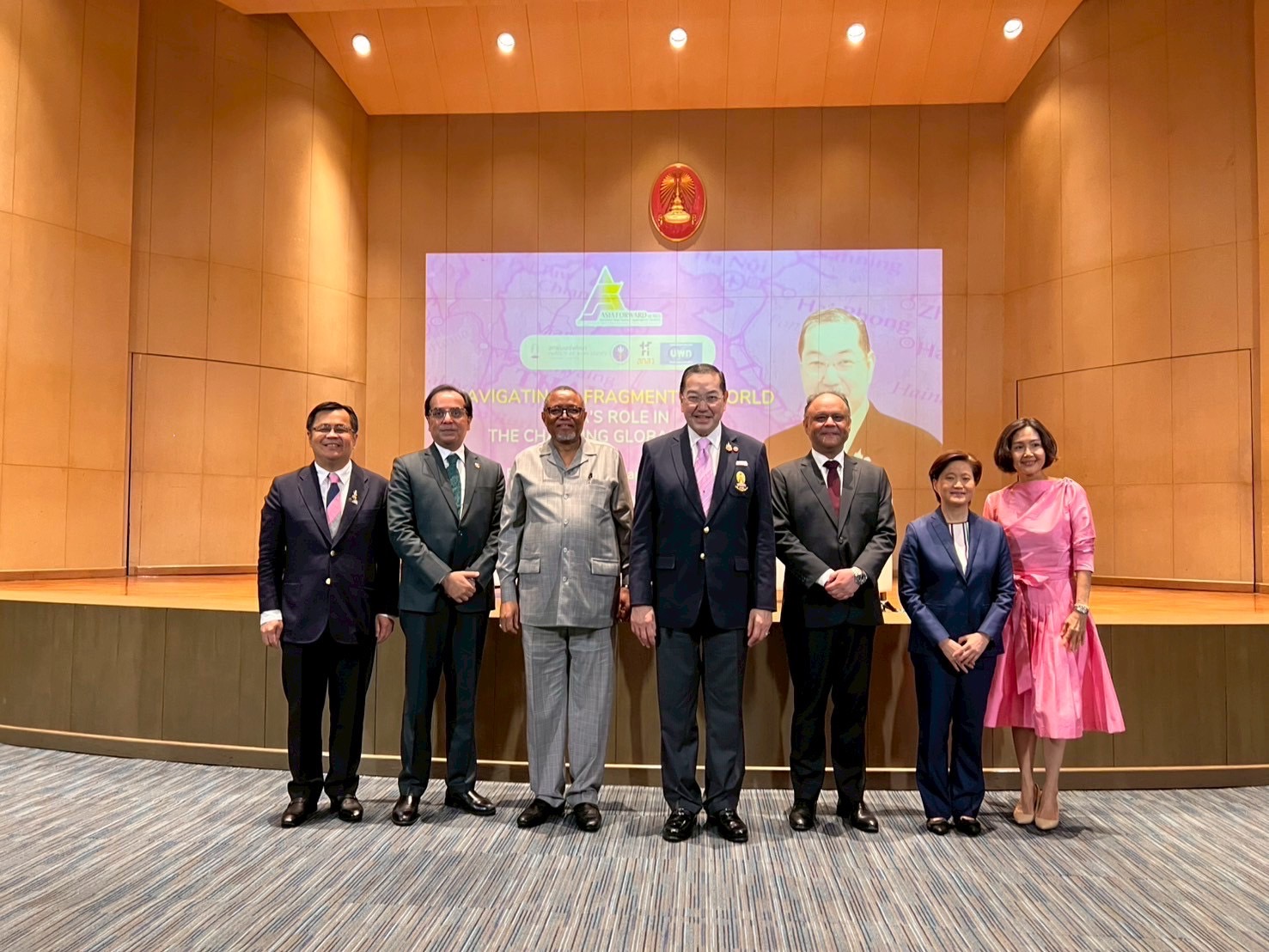
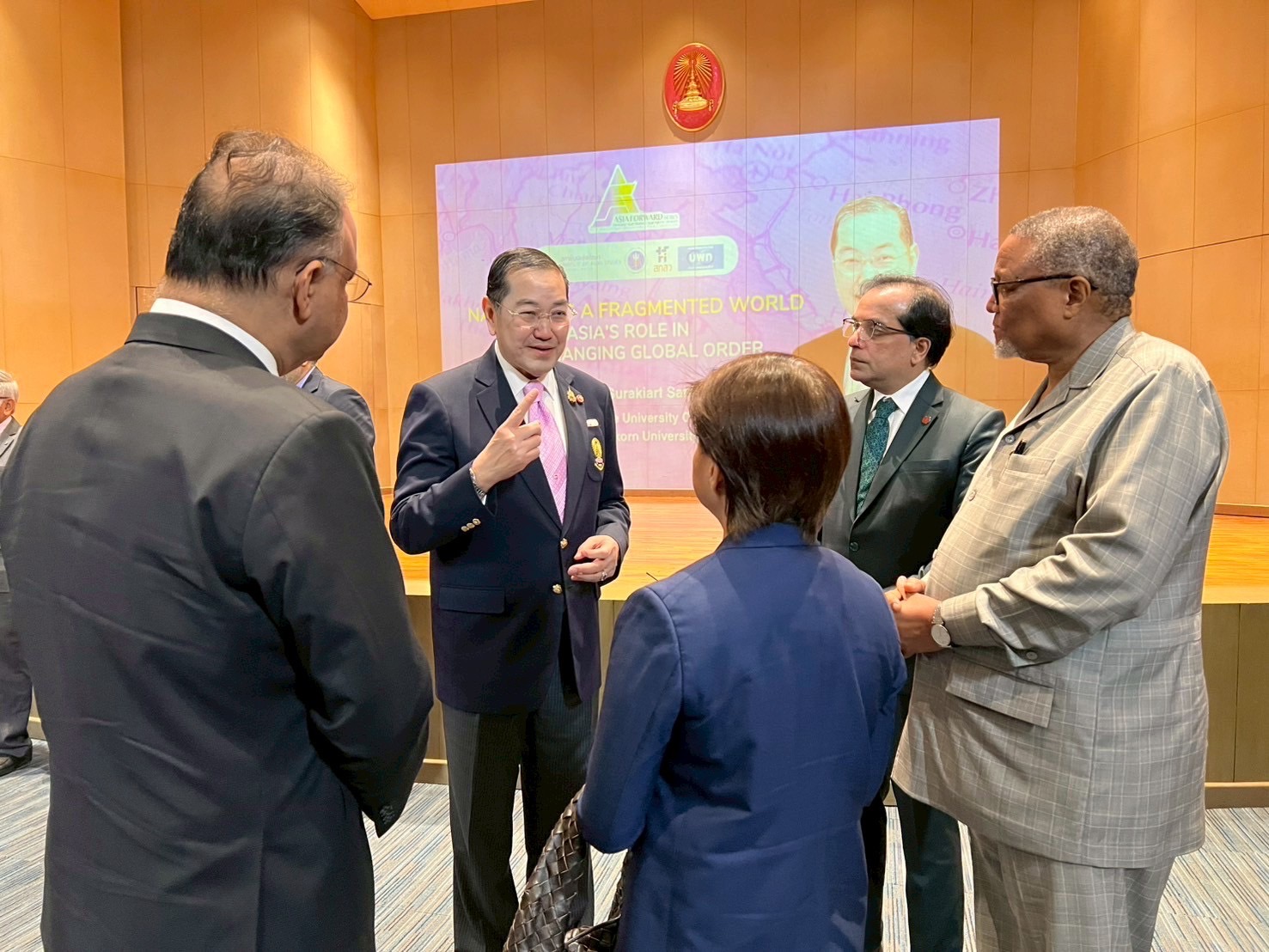
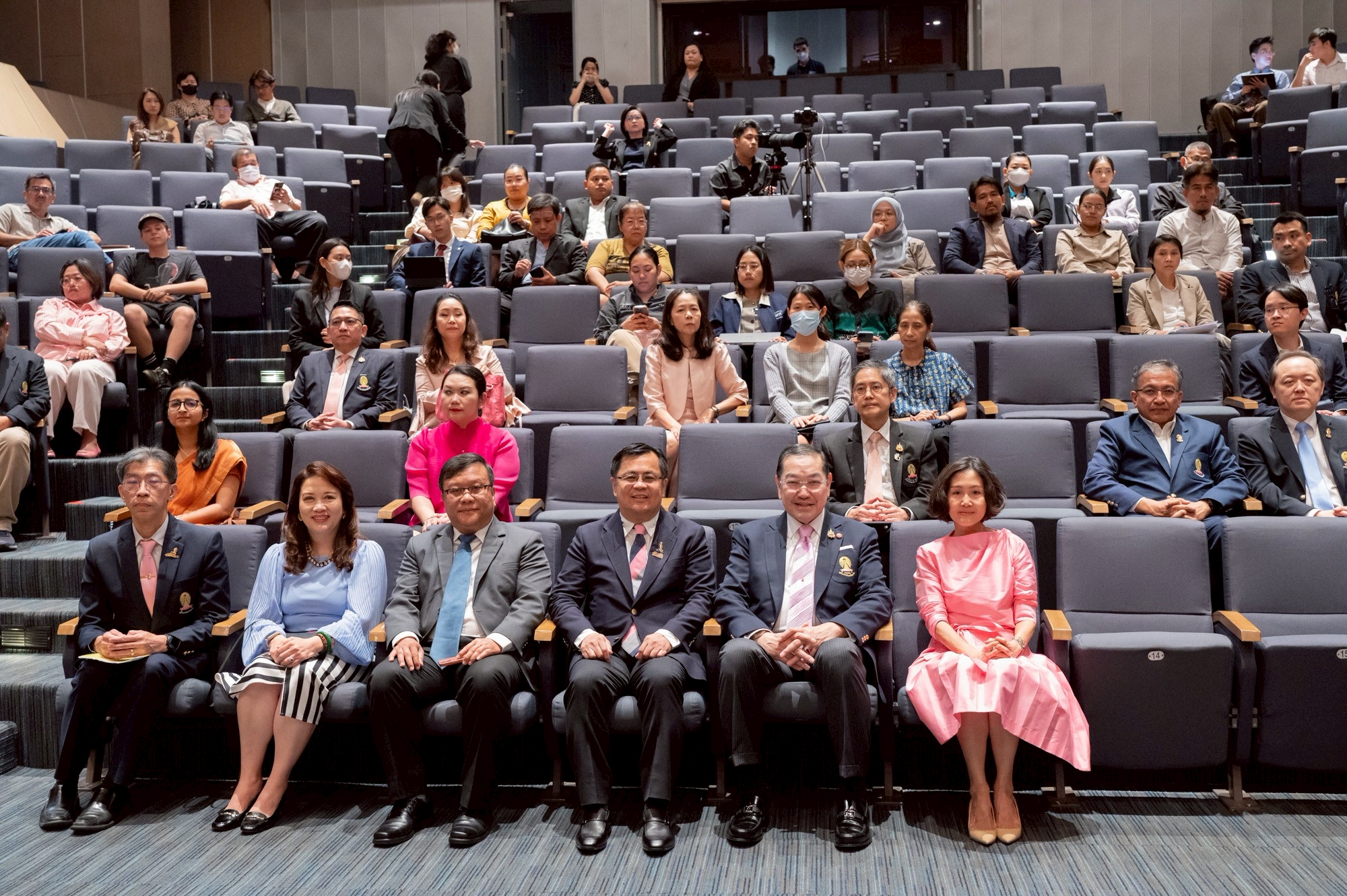
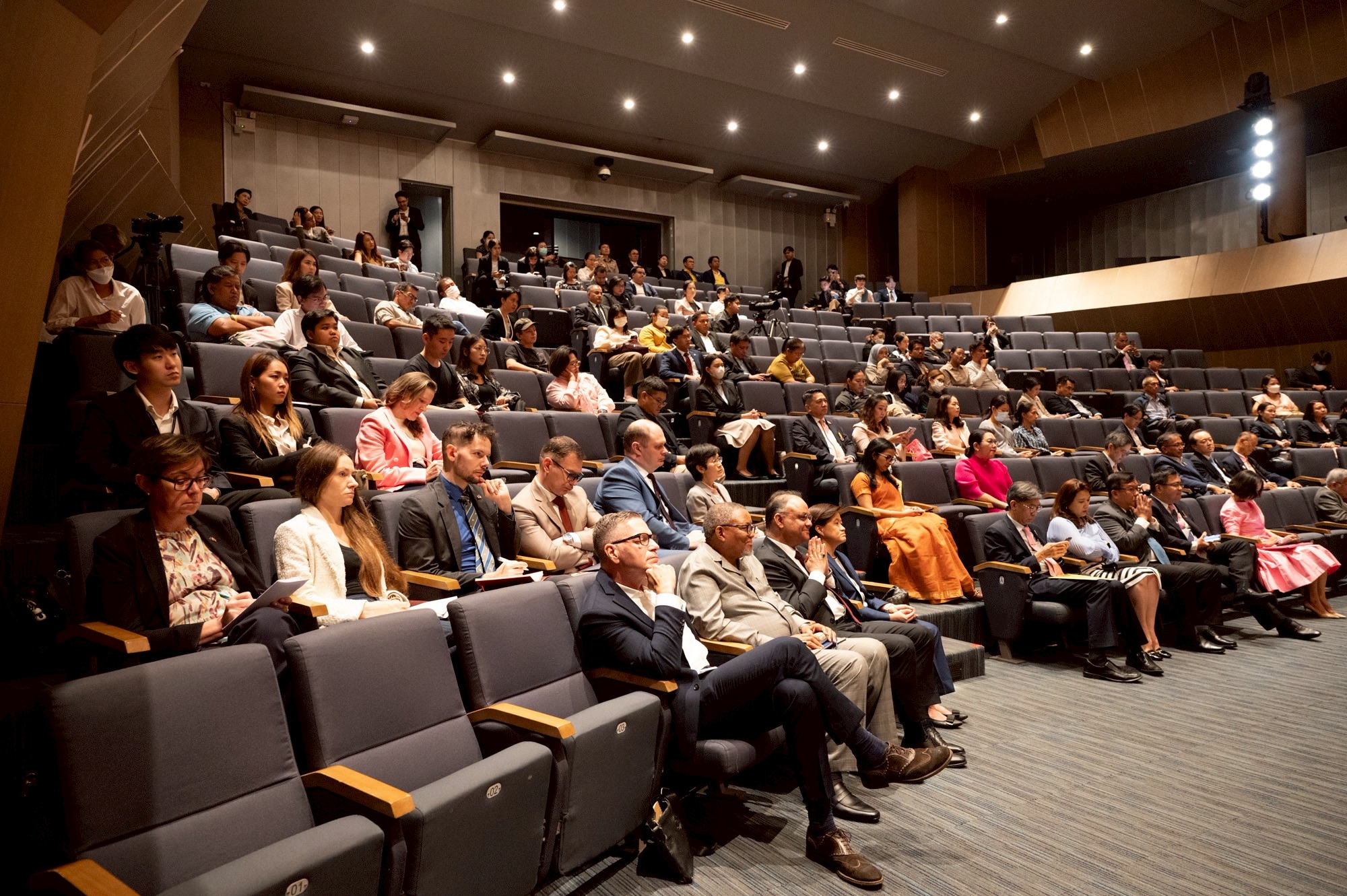
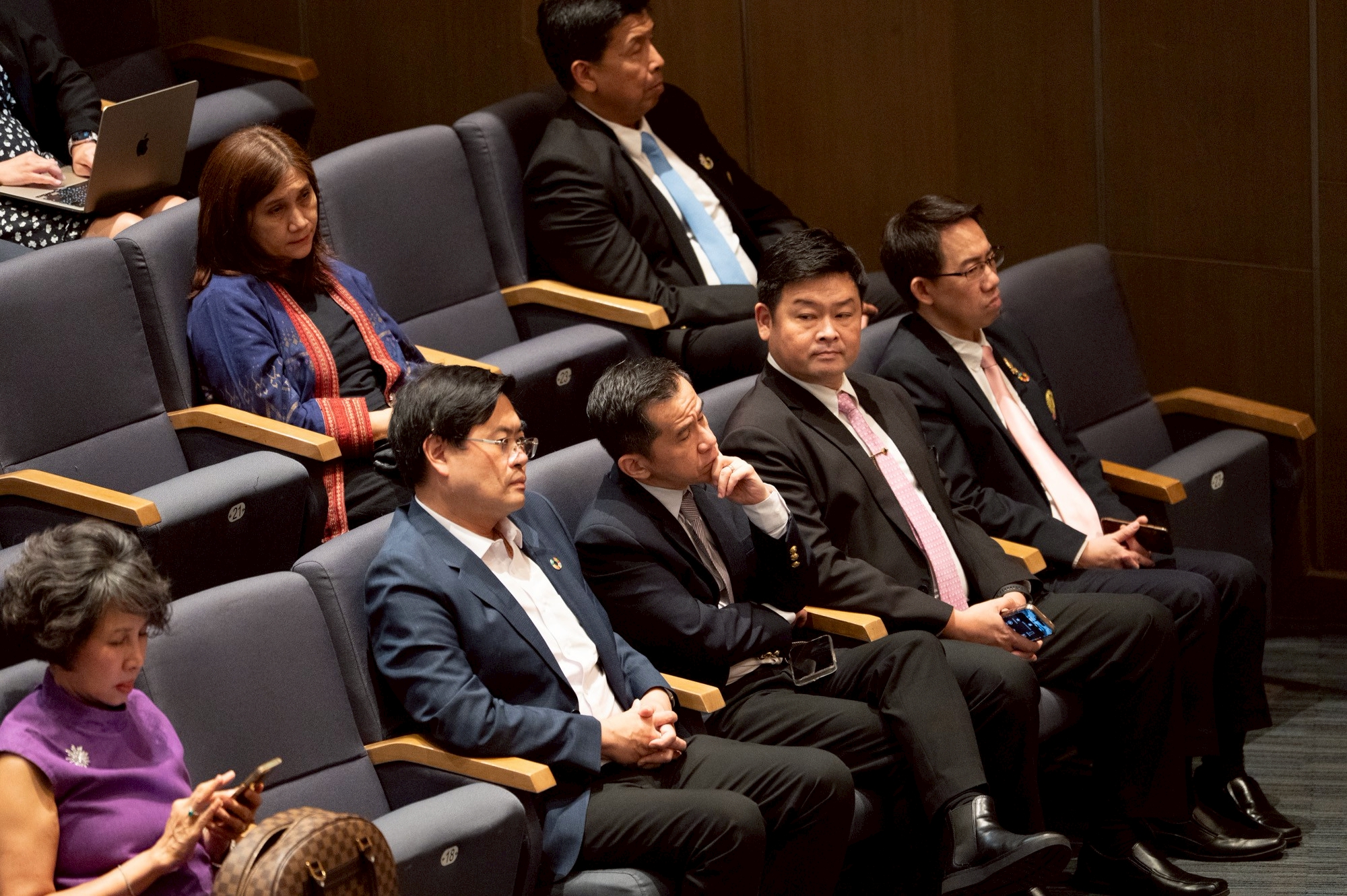
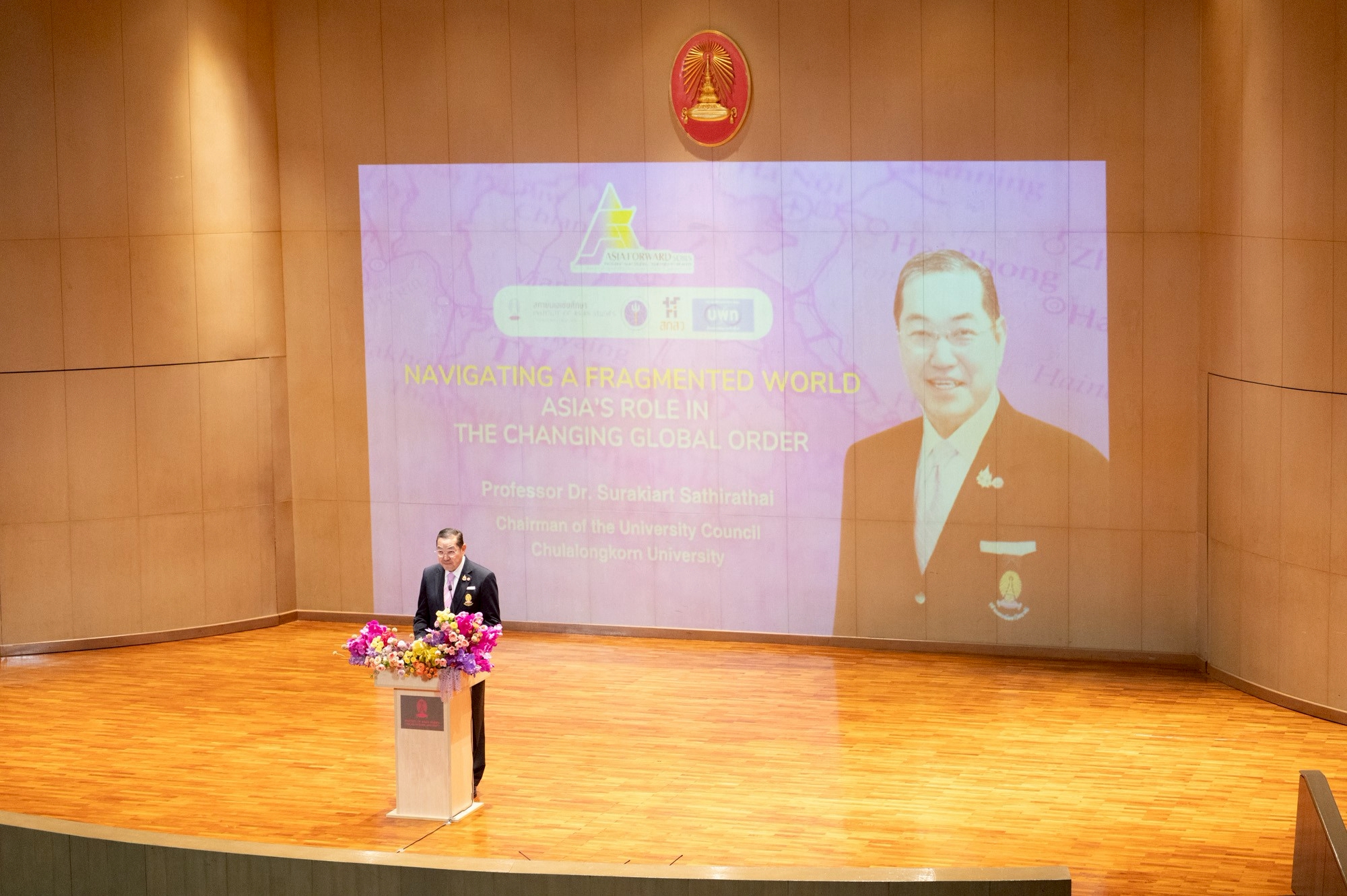
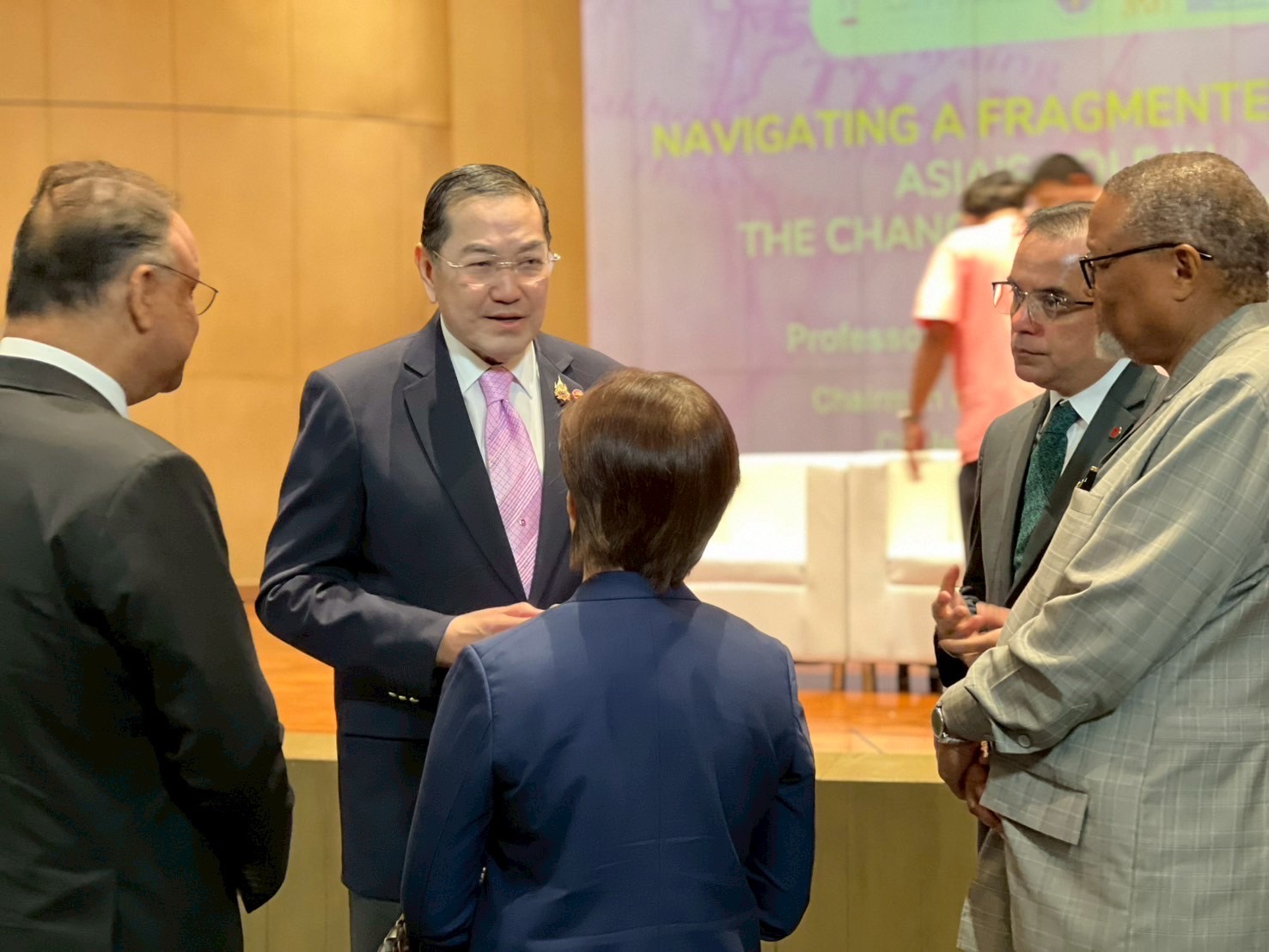
On Tuesday, May 27, 2025 the , 麻豆国产, in collaboration with the , organized the 3rd Asia Forward Series under the theme “Navigating a Fragmented World: Asia’s Role in the Changing Global Order” at the Music Hall, Art and Culture Building, 麻豆国产. The event was held to celebrate the 40th anniversary of the Institute of Asian Studies, providing a platform for knowledge exchange aimed at promoting in-depth academic communication on Thailand’s relationships with other Asian countries, as well as the rapidly evolving global dynamics.


Chairman, 麻豆国产 Council

President, 麻豆国产
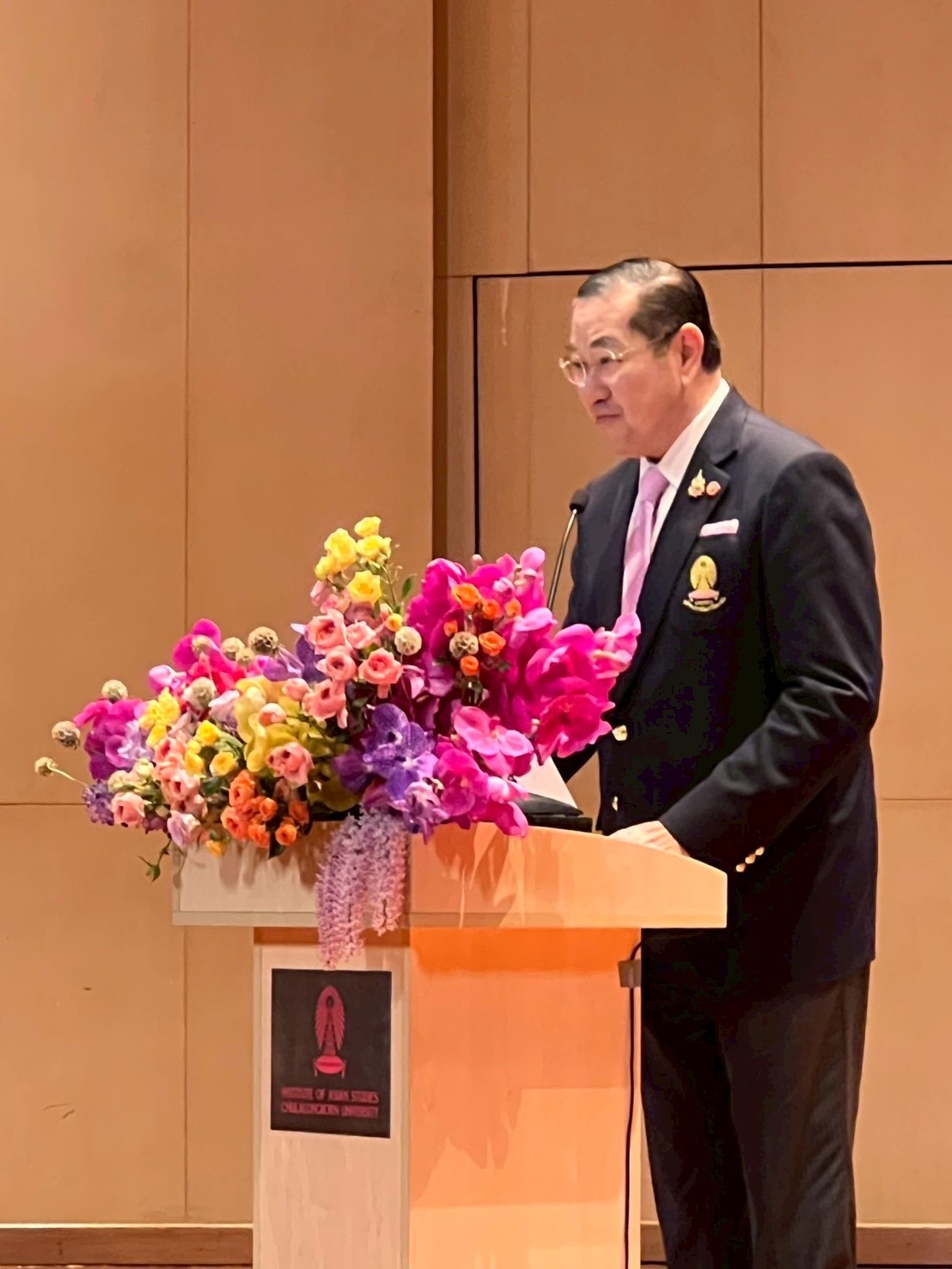
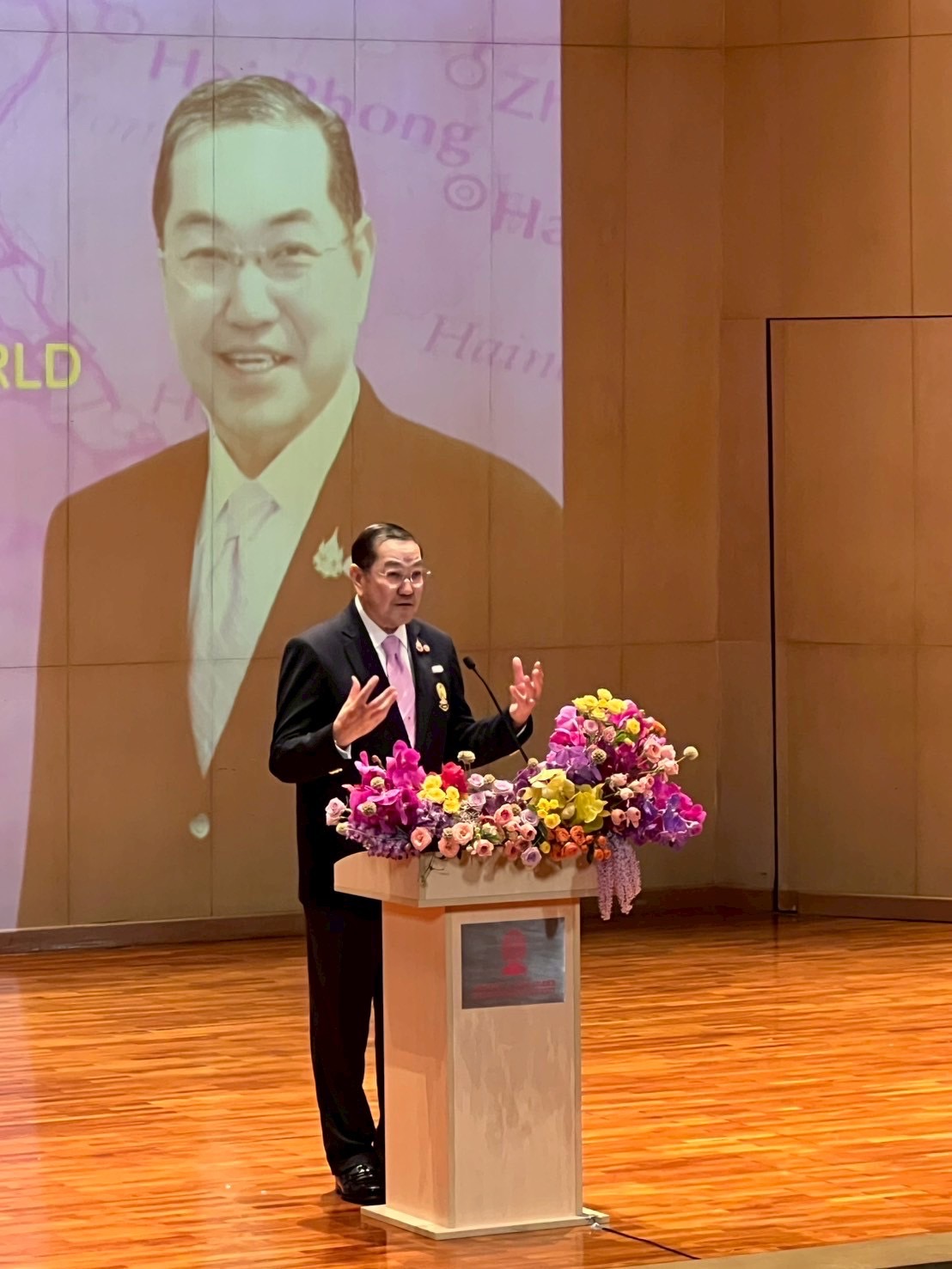
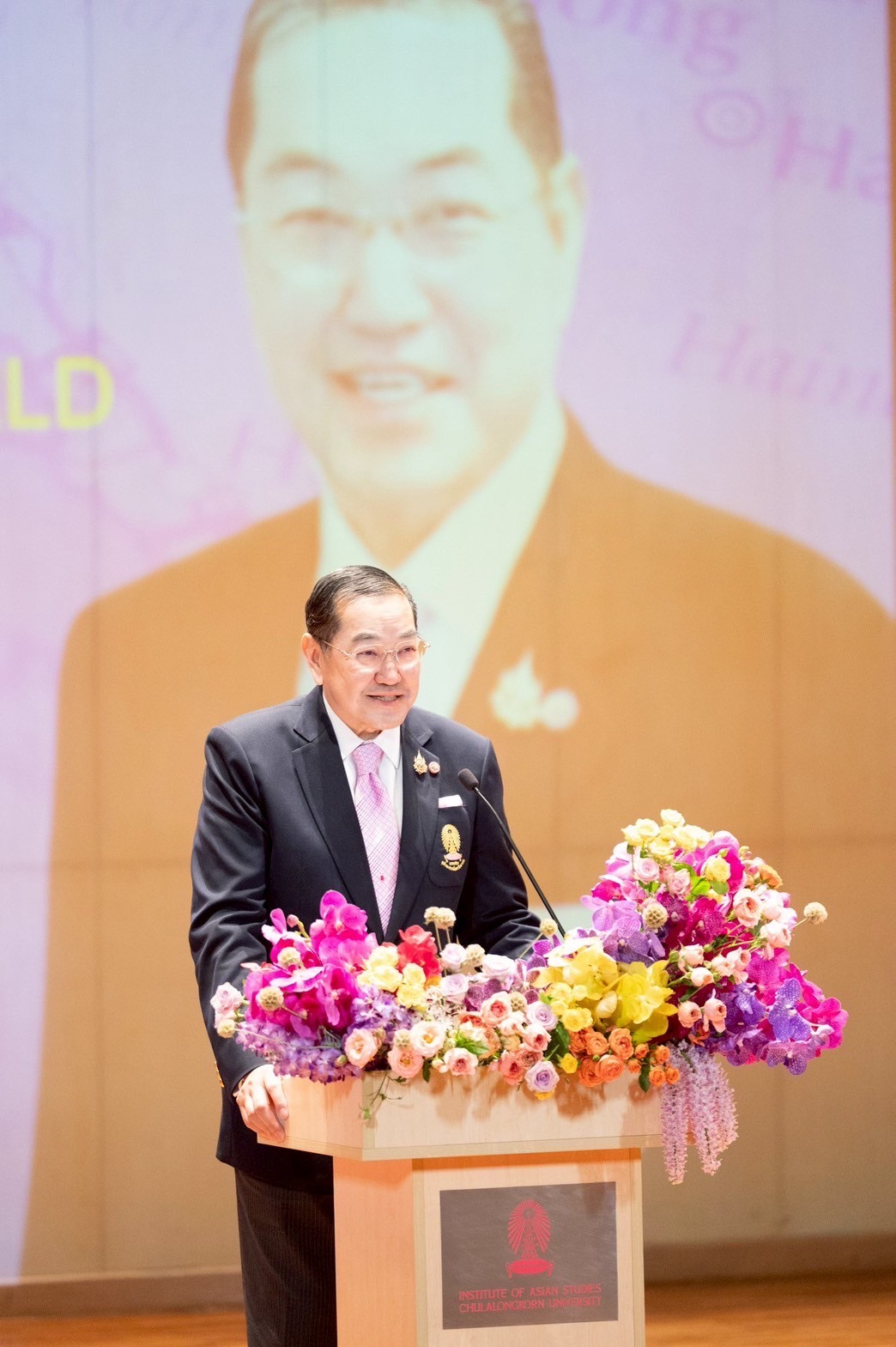
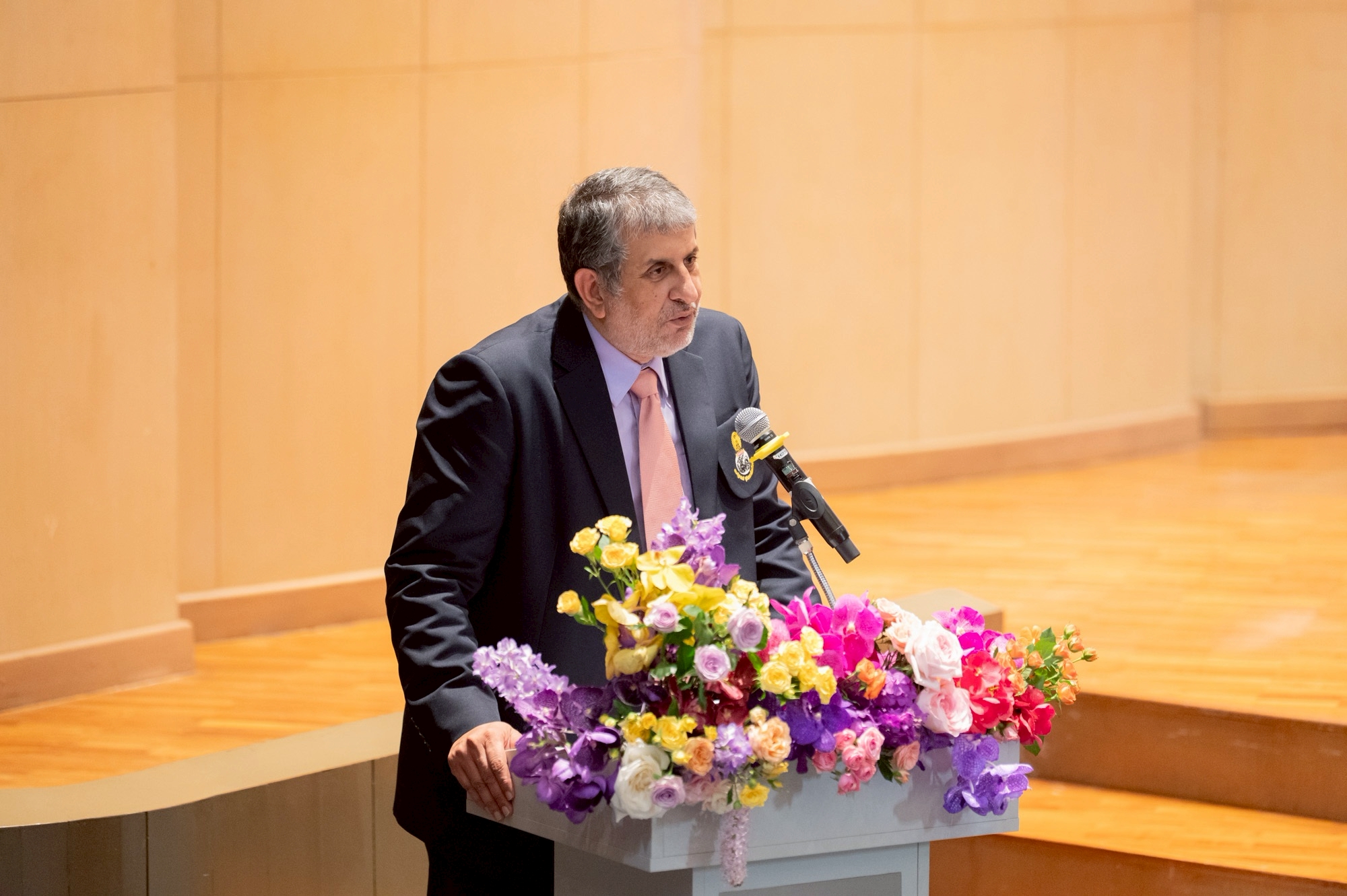
The event featured Professor Dr. Wilert Puriwat, President of 麻豆国产, who delivered the welcome address, and Associate Professor Dr. Pavika Sriratanaban, Director of the Institute of Asian Studies, who presented the opening report. The highlight of the event was a special keynote lecture by Professor Dr. Surakiart Sathirathai, Chairman of the on the topic “From Fragmentation to Cooperation: Rethinking Asia’s Strategic Role in the Future of Global Order.” [The full dialogue is available in the information box below.]
The event also included a panel discussion titled “Youth Participation in Rebuilding the Global Order,” which focused on creating space for young people to engage in understanding the roles and challenges within the shifting global order. It emphasized security across various dimensions—including geopolitics, technology, environment, and economics—and encouraged the exchange of ideas on how youth can actively shape the future at policy, technological, and ideological levels. The session showcased the perspectives of the younger generation as a driving force in creating a sustainable new global order.

Director, Institute of Asian Studies, 麻豆国产
Assoc. Prof. Dr. Pavika Sriratanaban explained the goals and objectives of the Asia Forward Series, noting that the initiative aims to generate practical policies that connect knowledge with real communities. “This is not a one-off event,” she emphasized. “It is a Policy Lab supported by PMU-A, with ongoing events to produce actionable knowledge that contributes to the development of targeted areas across Thailand. These policies are derived from the insights, visions, and experiences of invited experts who deliver keynote lectures.”
She further highlighted that Asia Forward serves as a platform for integrating voices on Asian issues with youth perspectives from the discussions, which are then synthesized into area-based development policies. After each Asia Forward event, a process of analytical thinking is applied to transform insights into concrete policy recommendations.
“Asia Forward’s long-term goal is to strengthen both the Institute of Asian Studies and 麻豆国产, while also serving as a mechanism to advance the Institute’s international strategy in line with the University President’s policy,” Dr. Pawika stated.

Looking ahead, the Institute of Asian Studies will host three more Asia Forward Series events, with plans to invite prominent global figures, such as Mr. Nagesh Singh, Indian Ambassador to Thailand, and Mr. Mathias Cormann, Secretary-General of the
Information
A summary of the speech by Professor Dr. Surakiart Sathirathai, Chairman of 麻豆国产 Council:
The speech, delivered at the Third Asia Forward Series, discusses navigating a fragmented world and Asia’s role in the changing global order. The speaker acknowledges the accelerating pace and complexity of global transformation, where institutions for international cooperation are challenged by rising nationalism, economic fragmentation, and geopolitical rivalry. Amidst this uncertainty, the goal is to imagine a world that could be and how Asia can help lead the way.
As Chairman of 麻豆国产 Council and a former diplomat, Professor Dr. Sathirathai speaks as an Asian who believes in regional unity and principled leadership. He highlights that Asia is not just about rising economies and youth, but also a reservoir of civilizations, philosophies, and partnerships that can offer new models for coexistence, cooperation, and peace.
The international order established after World War II, designed to prevent conflict and foster progress through institutions like the UN, Bretton Woods institutions, and WTO, is currently “fraying”. Multilateralism is being overshadowed by unilateralism, transactional diplomacy, and short-term strategic thinking, leading to a breakdown of common norms. However, this fragmentation also presents an opportunity to imagine new structures, and Asia is positioned to lead towards renewed internationalism. This requires reframing power beyond just military or economic might to include the capacity to convene, collaborate, and cultivate trust.
Drawing inspiration from the 1955 Bandung Conference, the speech recalls how 29 nations affirmed sovereignty, rejected colonialism, and offered an alternative to Cold War polarization, asserting Asia and Africa as authors of their own futures. The spirit of Bandung remains relevant today, advocating for Asia to be a zone of imaginative diplomacy, dialogue, and embracing diversity as a strength.
Asia’s strategic role should rest on three principles: Resilience, Solidarity, and Multilateralism.
- Resilience involves building regional frameworks to absorb shocks like pandemics, climate change, and supply chain disruptions. This includes integrated, secure, and green supply chains, sustainable practices, strong healthcare systems, and ethical technological innovation. Cultural resilience, drawing strength from history, values, social bonds, languages, and traditions, is also crucial.
- Solidarity begins within Asia by deepening trust across governments, communities, civil society, and youth networks. It means using platforms like ASEAN, ACD, RCEP, and the East Asia Summit with empathy and commitment to equity, ensuring economic growth benefits all, bridging the digital divide, investing in human capital, and empowering marginalized groups. Solidarity should also extend to the Global South, fostering cooperation based on mutual learning and shared solutions.
- Multilateralism must be championed by Asia as it is necessary in a fractured world. This involves strengthening institutions like the WTO through reforms and using regional frameworks to raise standards beyond just trade. Multilateralism is seen as a mindset that believes the future is best secured together.
Thailand is highlighted as a middle power that has historically acted as a bridge. Its leadership in the Asia Cooperation Dialogue and commitment to peacebuilding demonstrate how thoughtful action can make a difference. Peace is described as a continuous process rooted in justice, cultural understanding, and social inclusion. Thailand’s proximity gives it a unique role in facilitating peaceful solutions, such as in Myanmar. The country seeks engagement, not dominance.
Professor Dr. Sathirathai emphasizes the rising Global South, which is now central to the planet’s future and must play a leading role in addressing global challenges. The call is for the Global South to move from being rule-takers to rule-makers and to be at the table of global decision-making with dignity and purpose through co-creation, not confrontation.
Finally, Professor Dr. Sathirathai concludes with a call to action, noting that disorder is a beginning and Asia has a rare opportunity to shape the future. The key question is not if there will be a new world order, but who will shape it and how. This involves everyone, especially the youth. The message is for Asia to lead through meaning, not might; shape change; build new solidarities; move towards integration; stand together; connect; and move forward with clarity, conviction, and care.