Chula-Led Biodiversity Training Builds Green Leadership and Conservation Capacity in Nan Province?
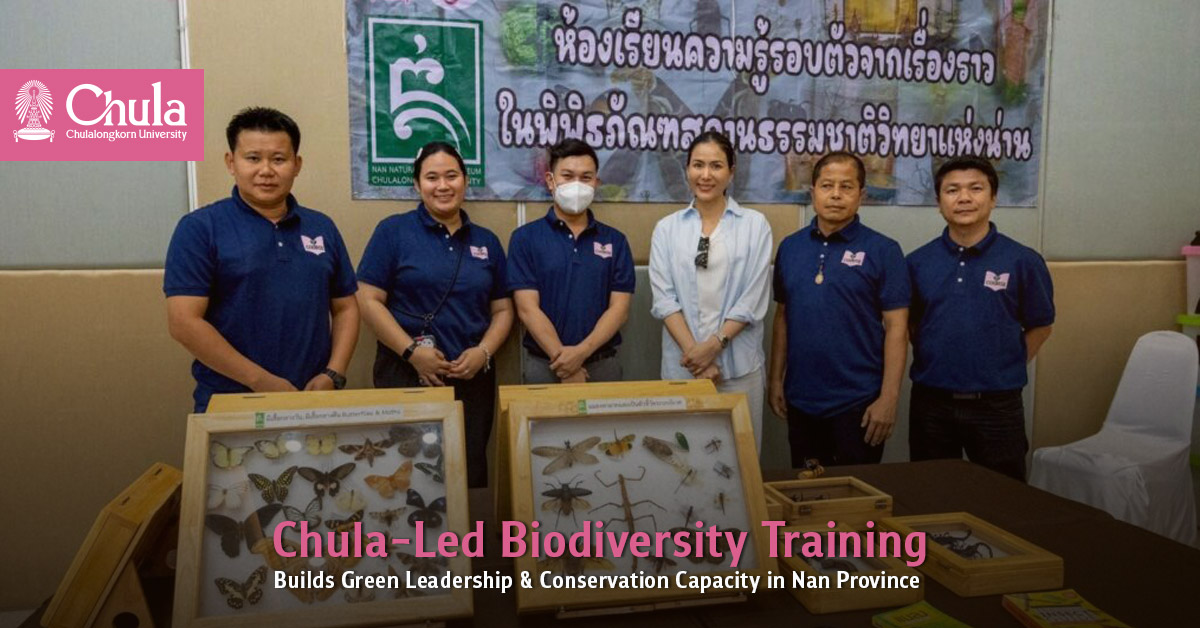
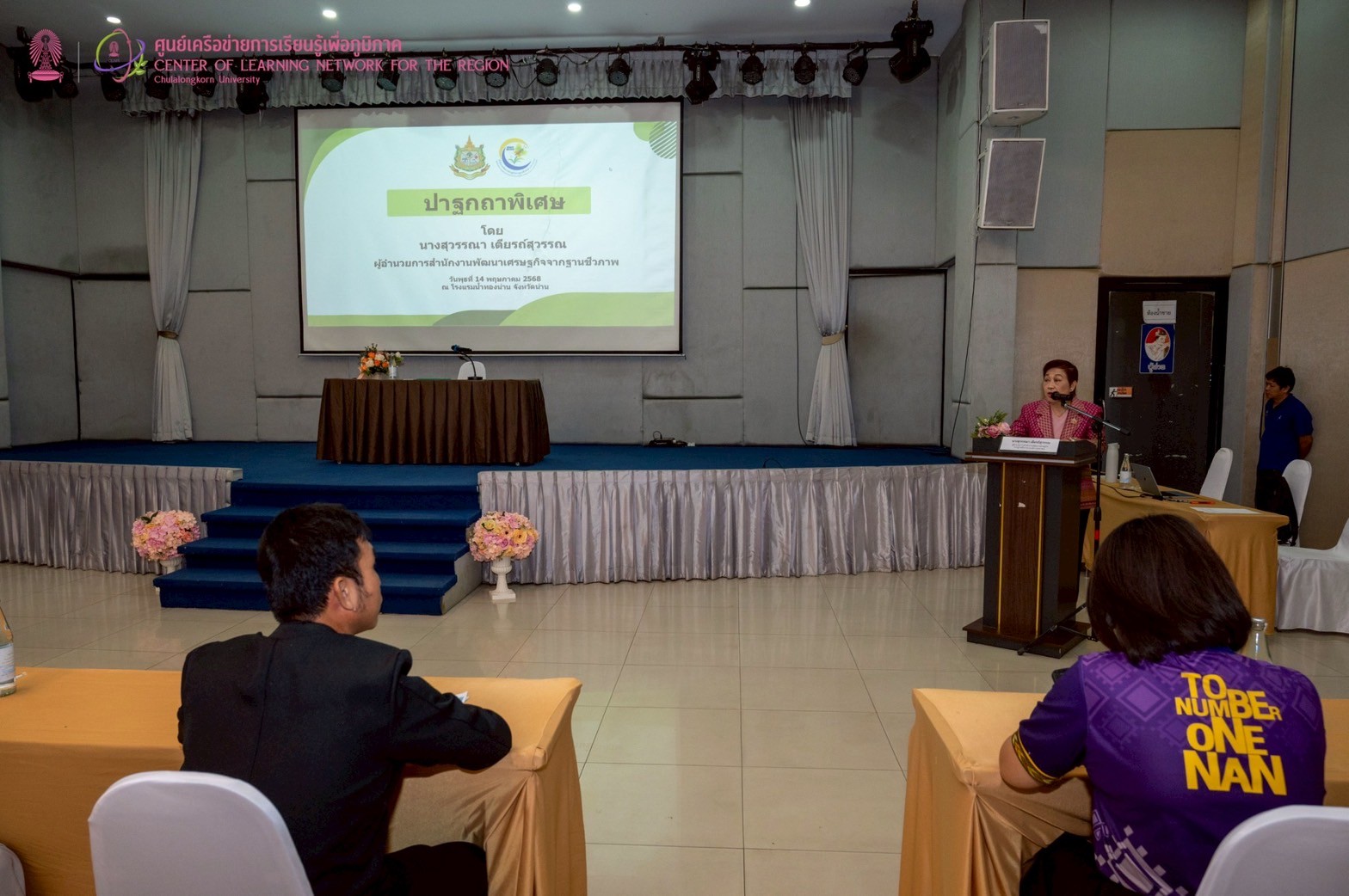
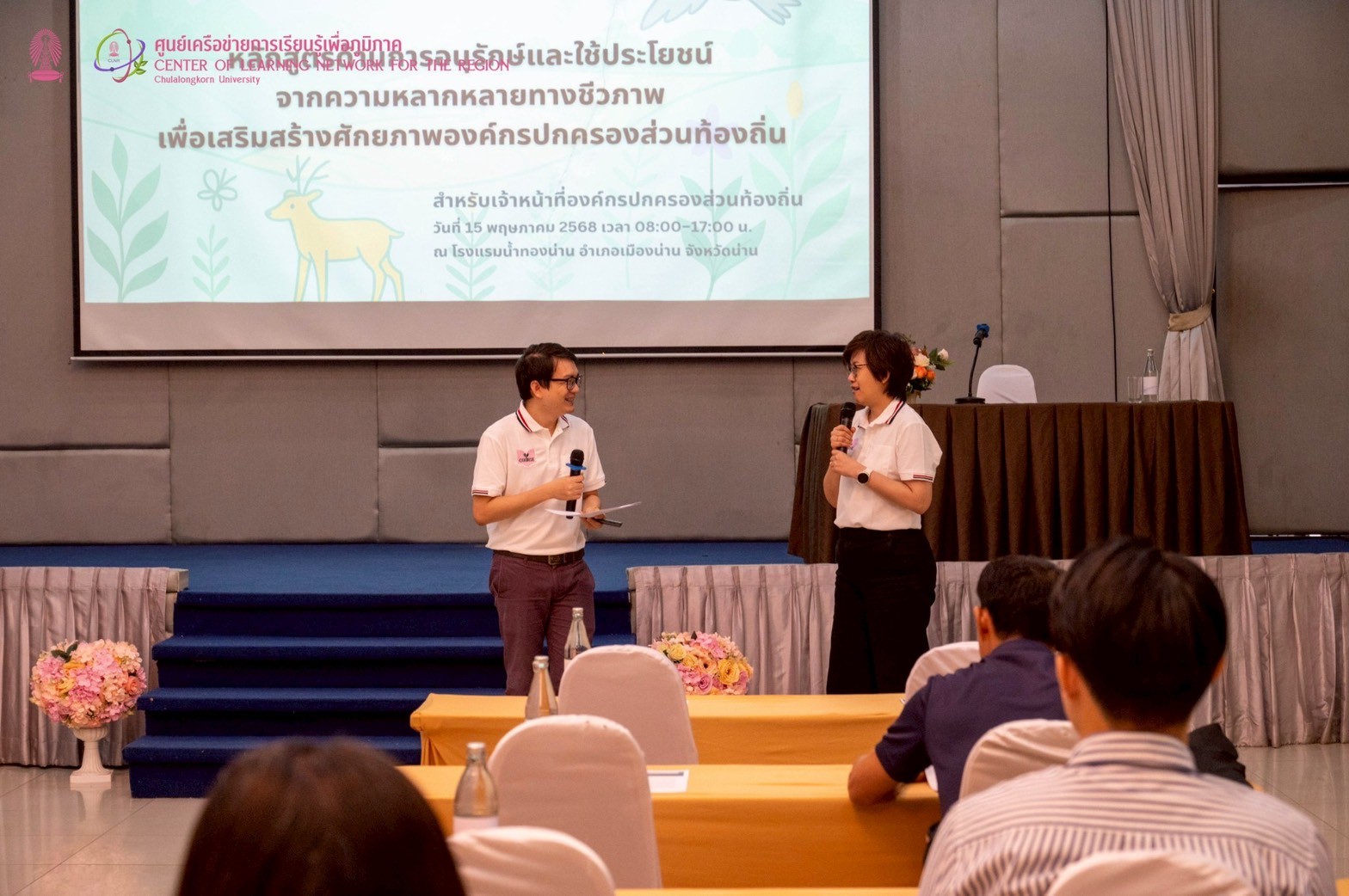
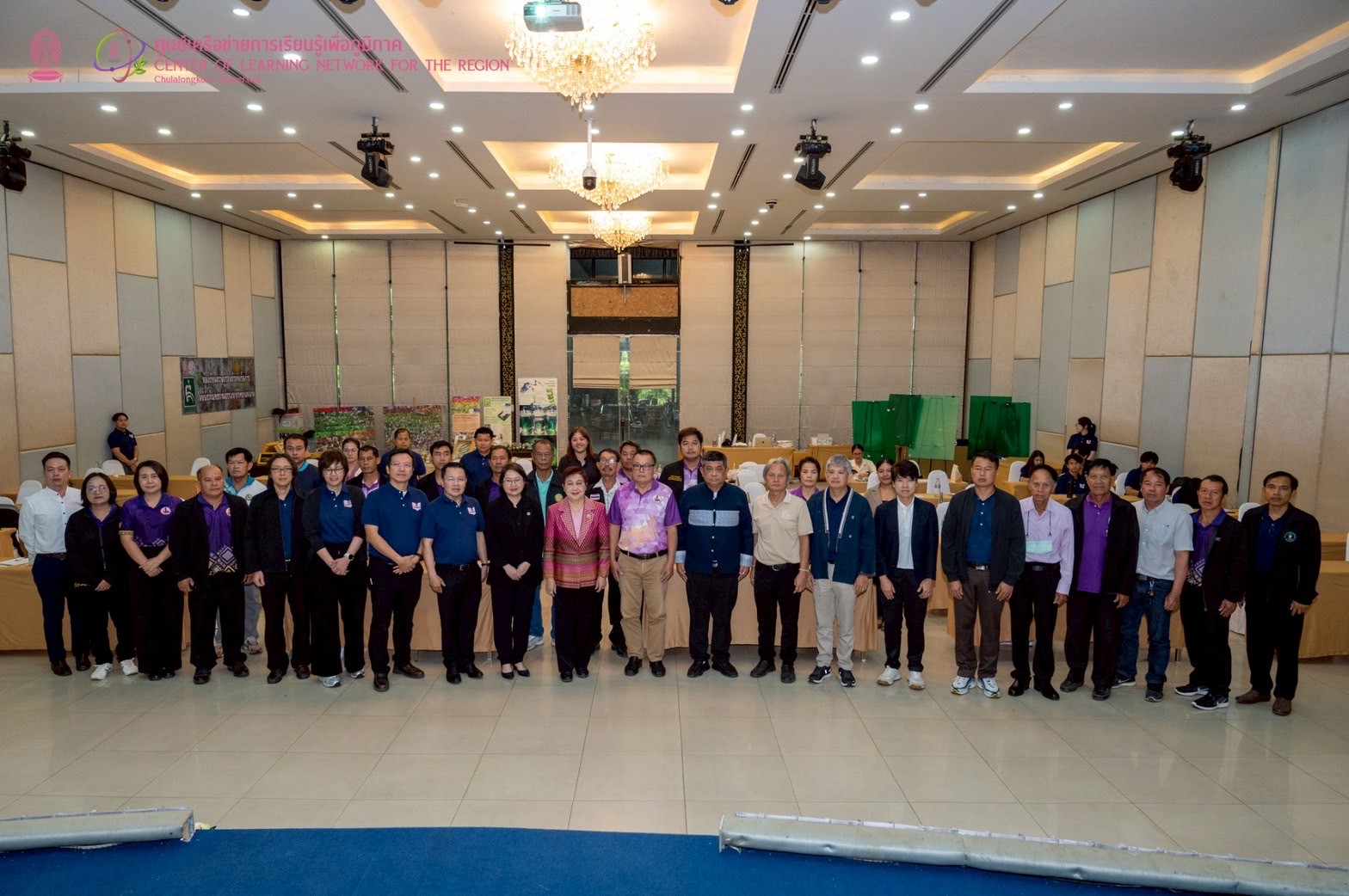
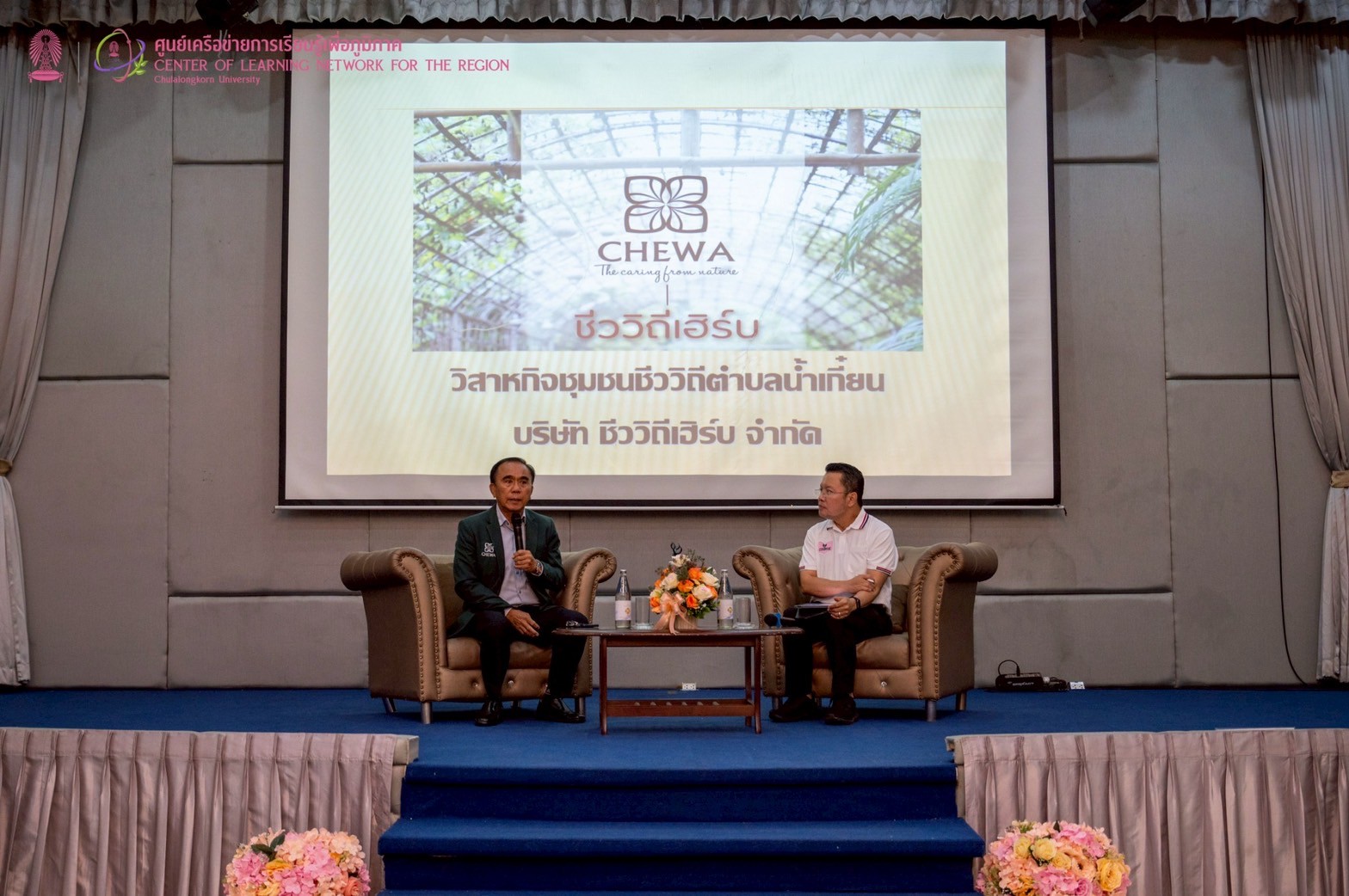
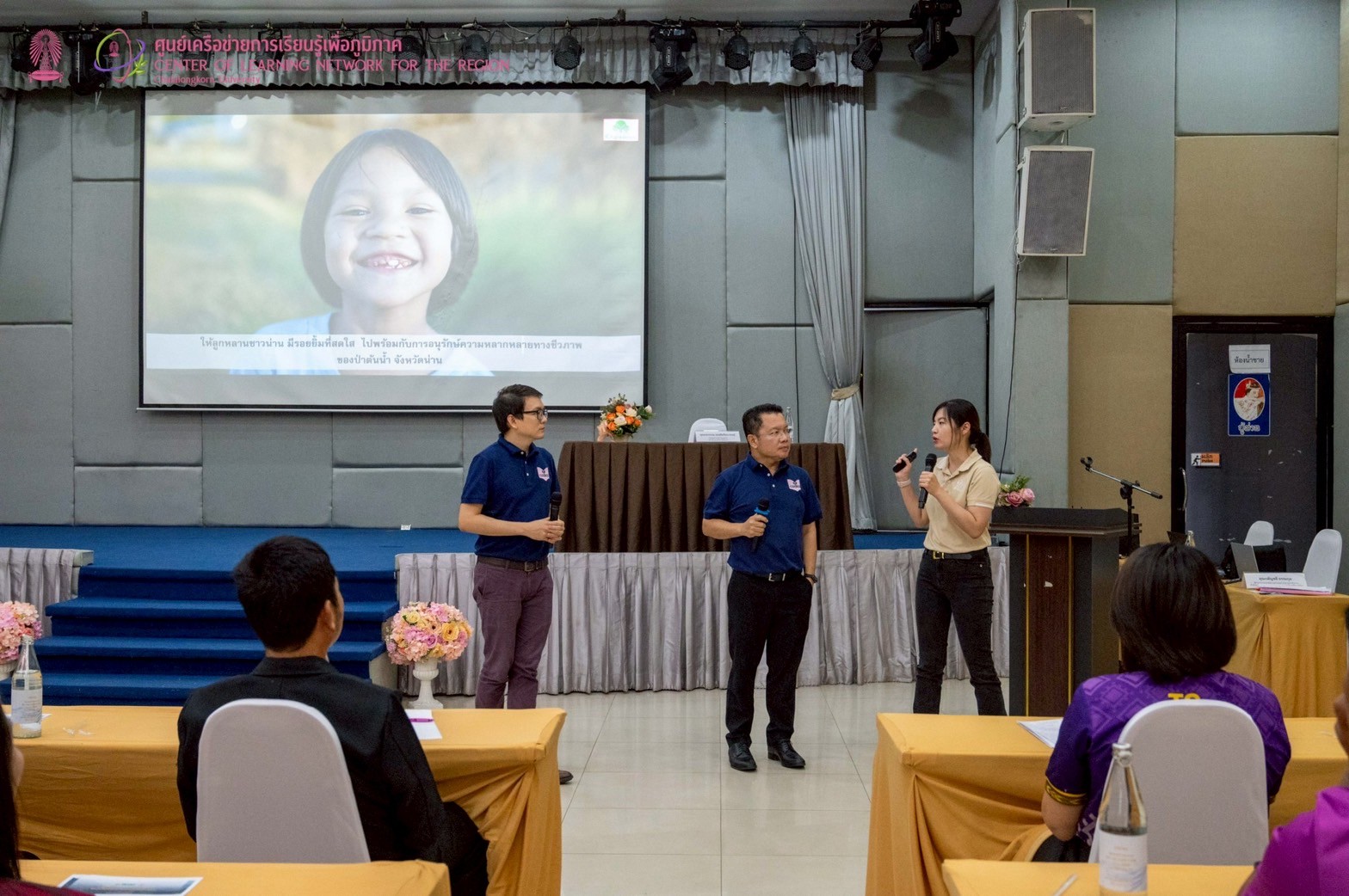
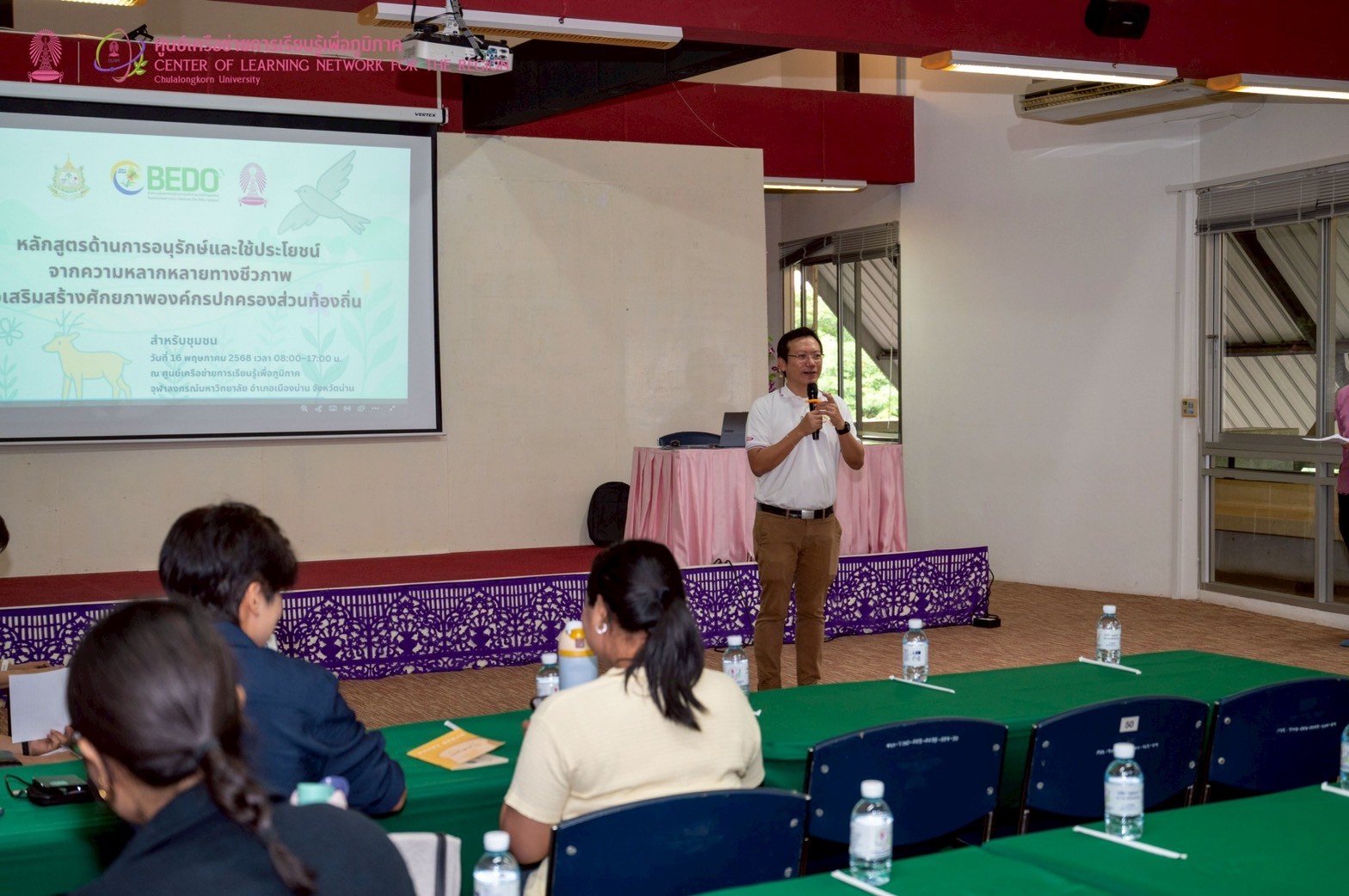
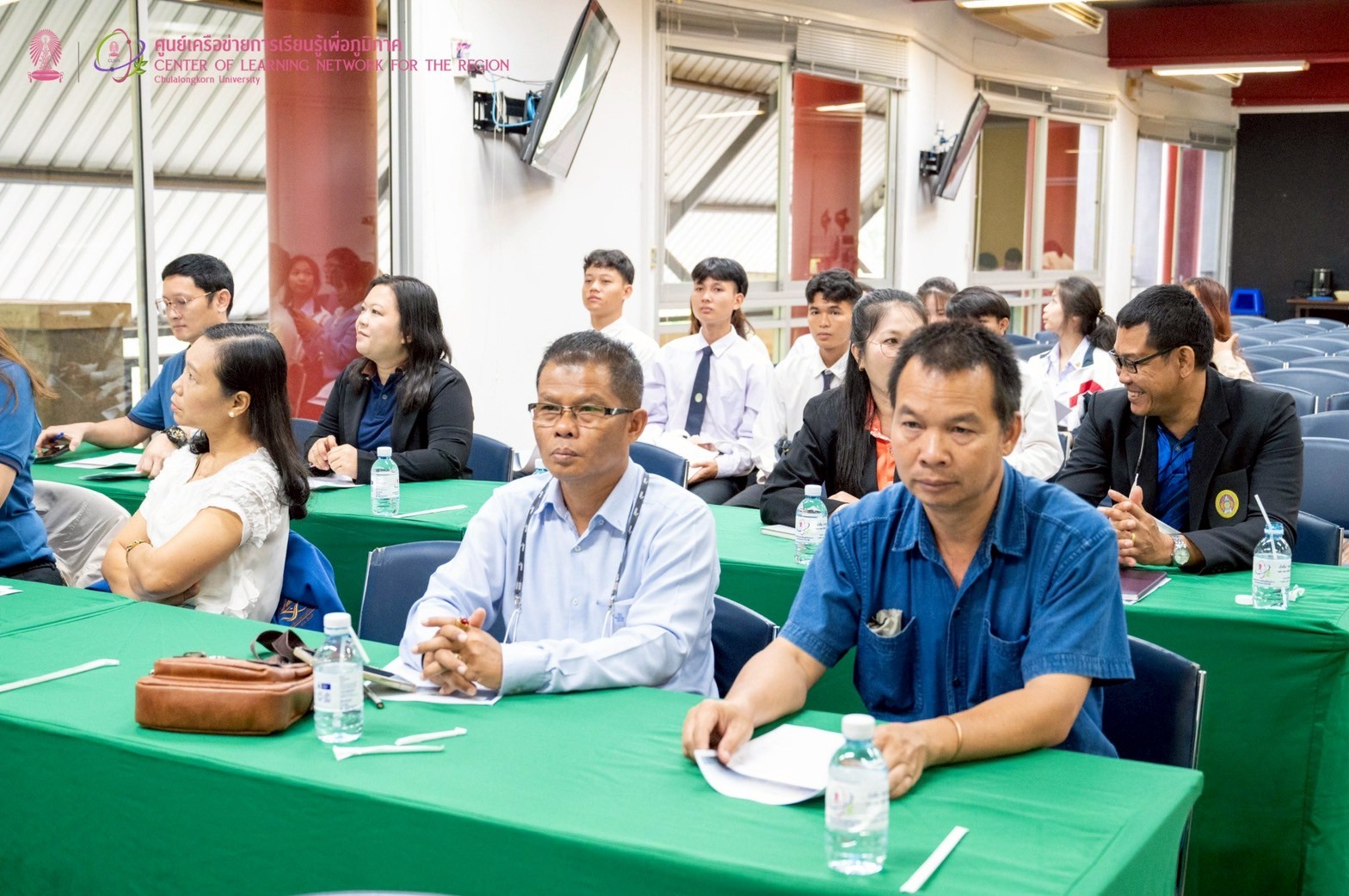
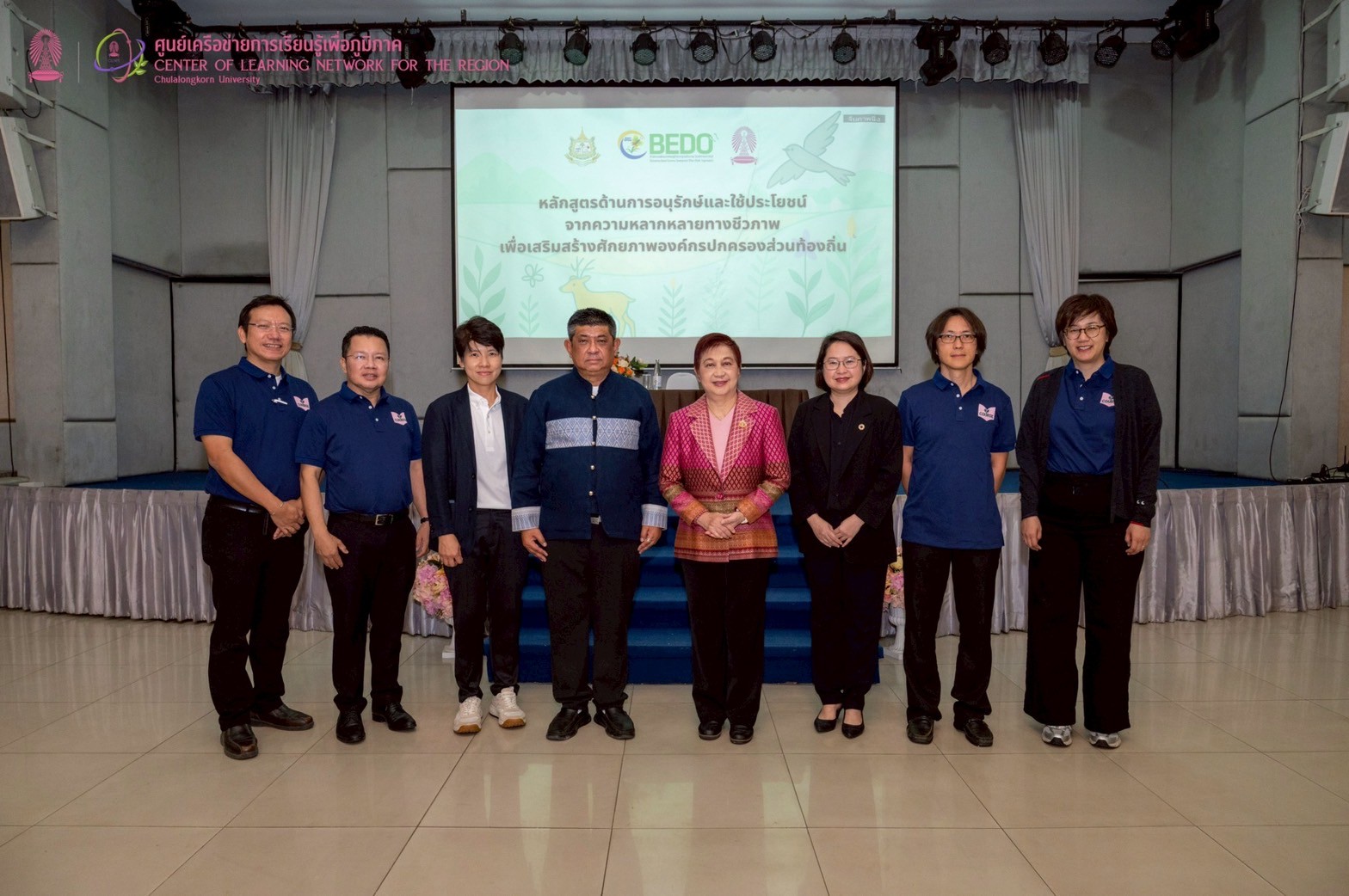
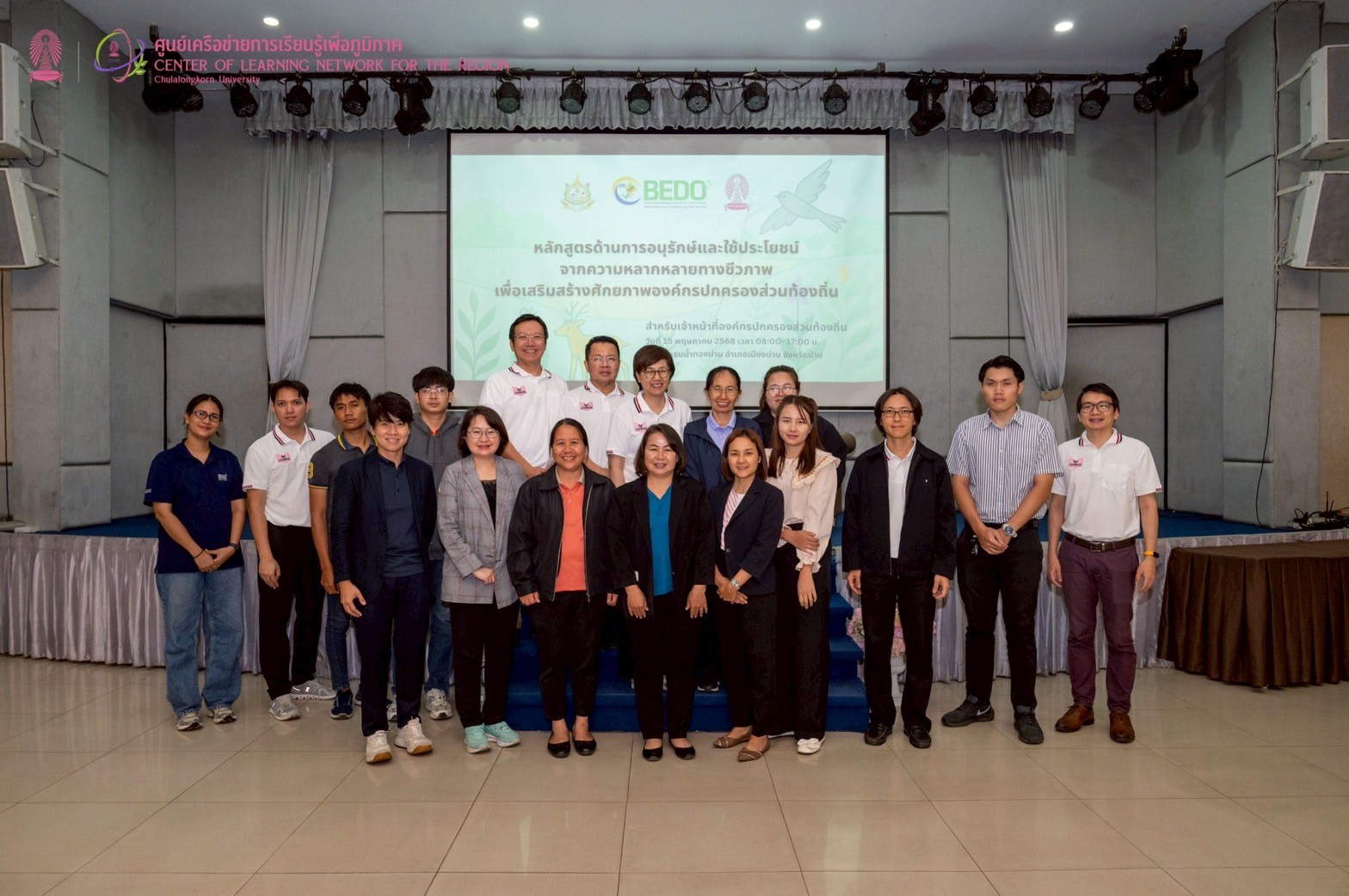
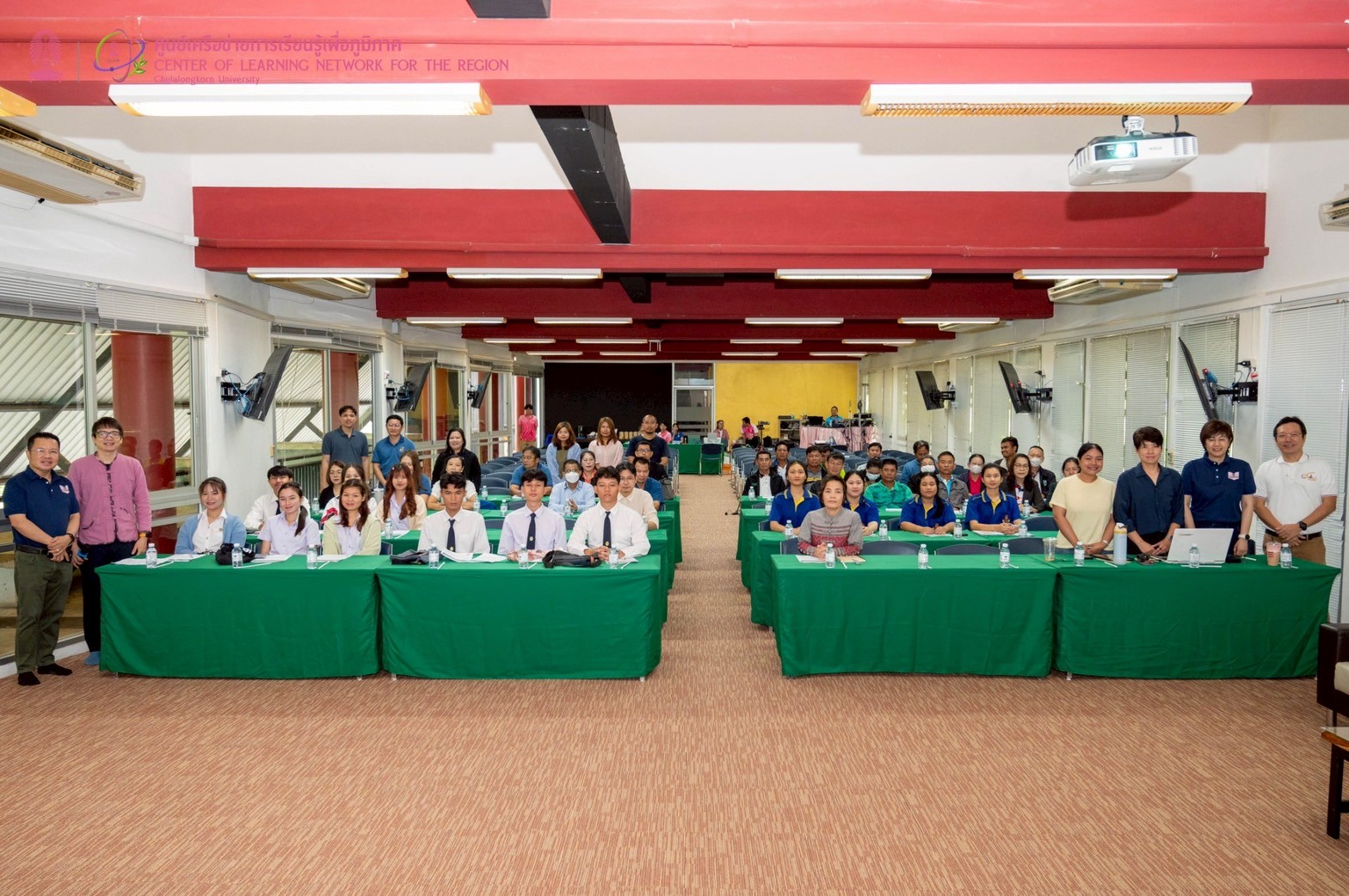
The Department of Biology, , , and , 麻豆国产, in collaboration with the , organized the “Curriculum Development Project on Biodiversity Conservation and Utilization” for executives, staff, and locals of Nan Province. The event was held on May 14-16, 2025, at Nam Thong Nan Hotel and Pha Singh Research and Technology Transfer Station (CLNR at Nan Province). Mr. Wason Jarusunk, Director of , gave an opening remark, and Assoc. Prof. Dr. Wichase Khonsue, Head of the Department of Biology, Faculty of Science, 麻豆国产, and Consultant to Centre of Learning Network for Region (CLNR), presented a report. There were over 200 participants.
?
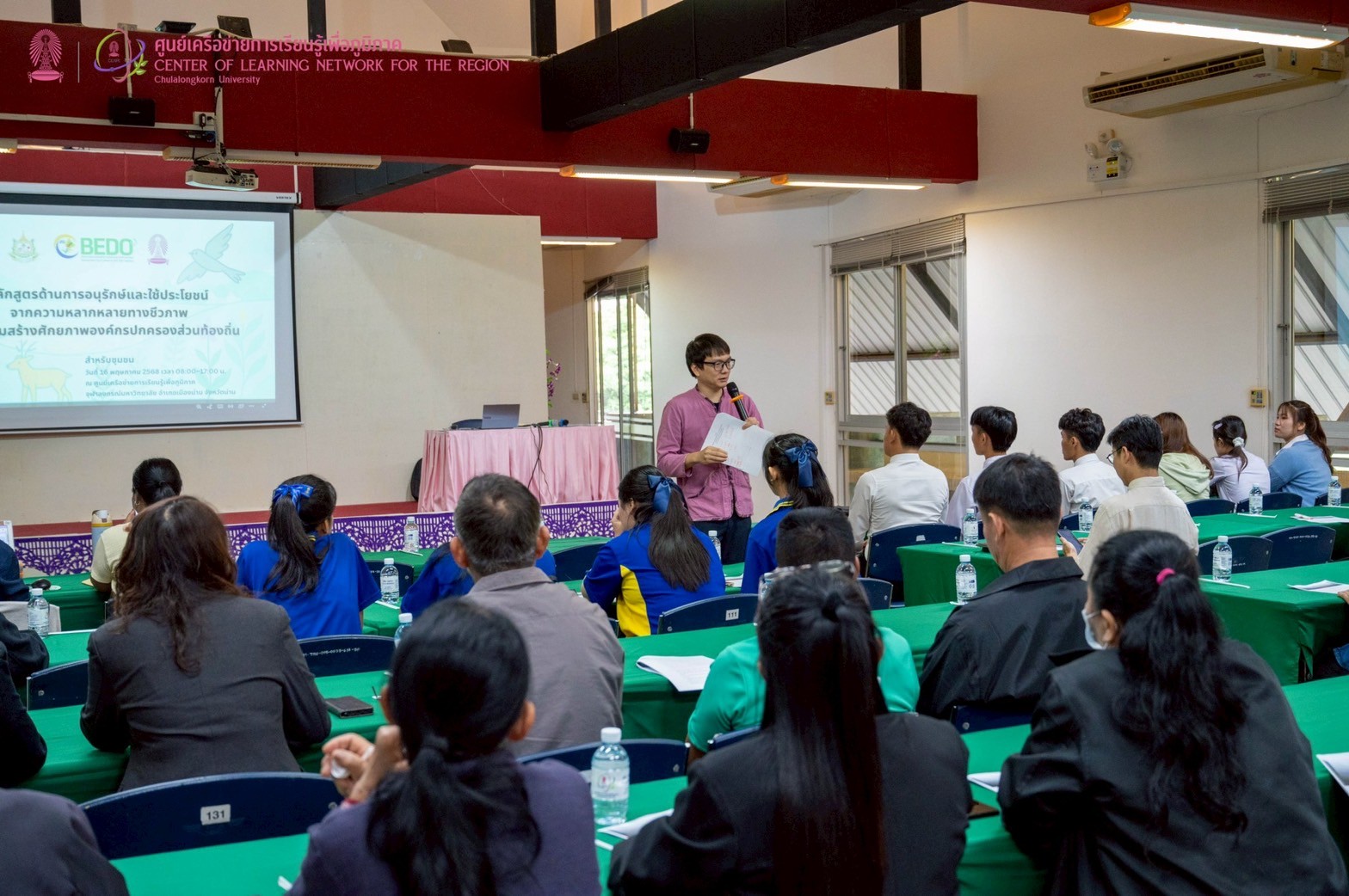
The “Curriculum Development Project on Biodiversity Conservation and Utilization” was organized under the global goals of the and aligns with the UN SDGs. It aims to halt biodiversity loss by 2030 while raising awareness, developing capacity, and empowering local leaders and communities to sustainably manage natural resources in their areas. This training catered to 3 target groups: local government executives, local government officials, and local community members.
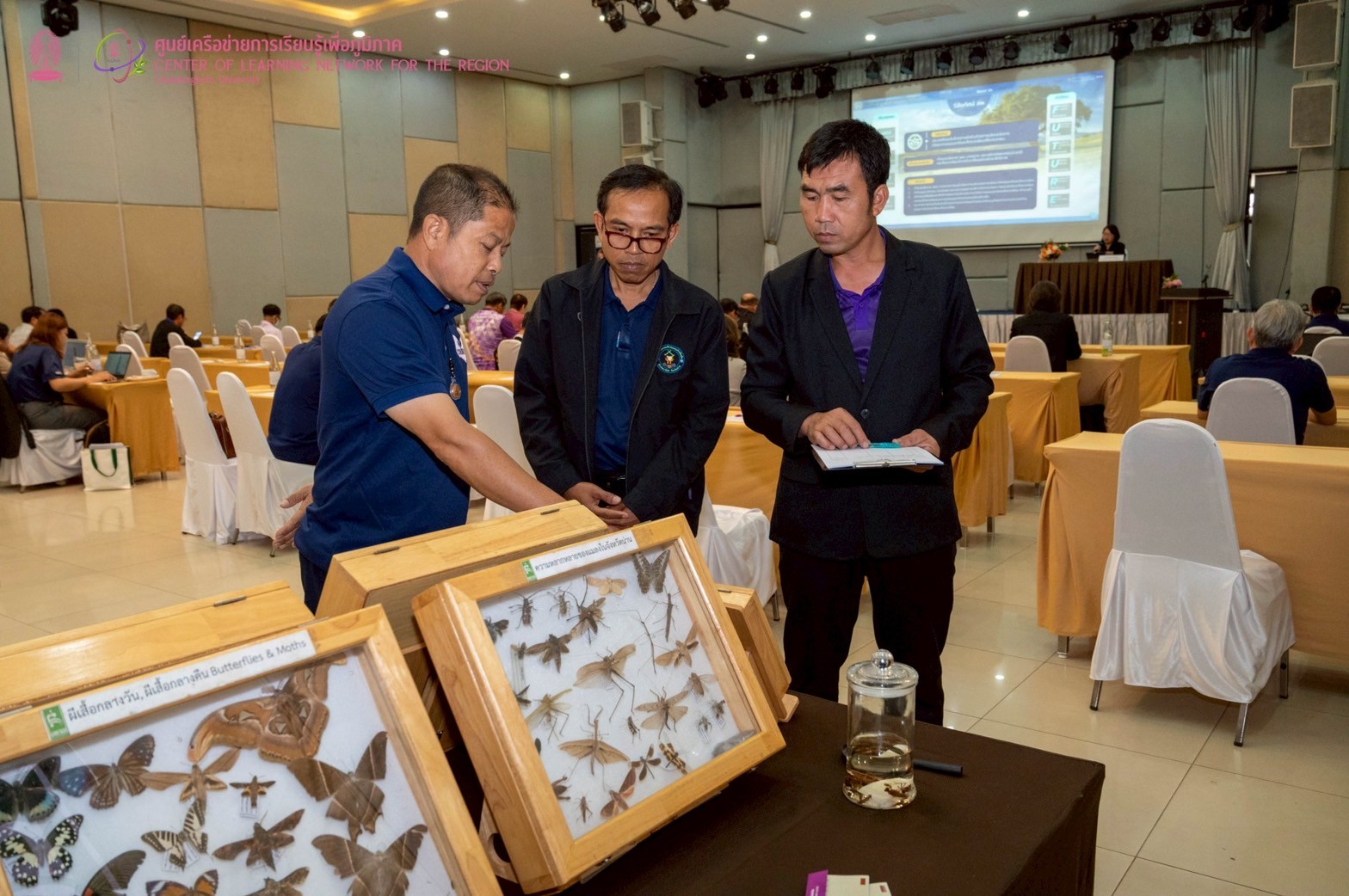
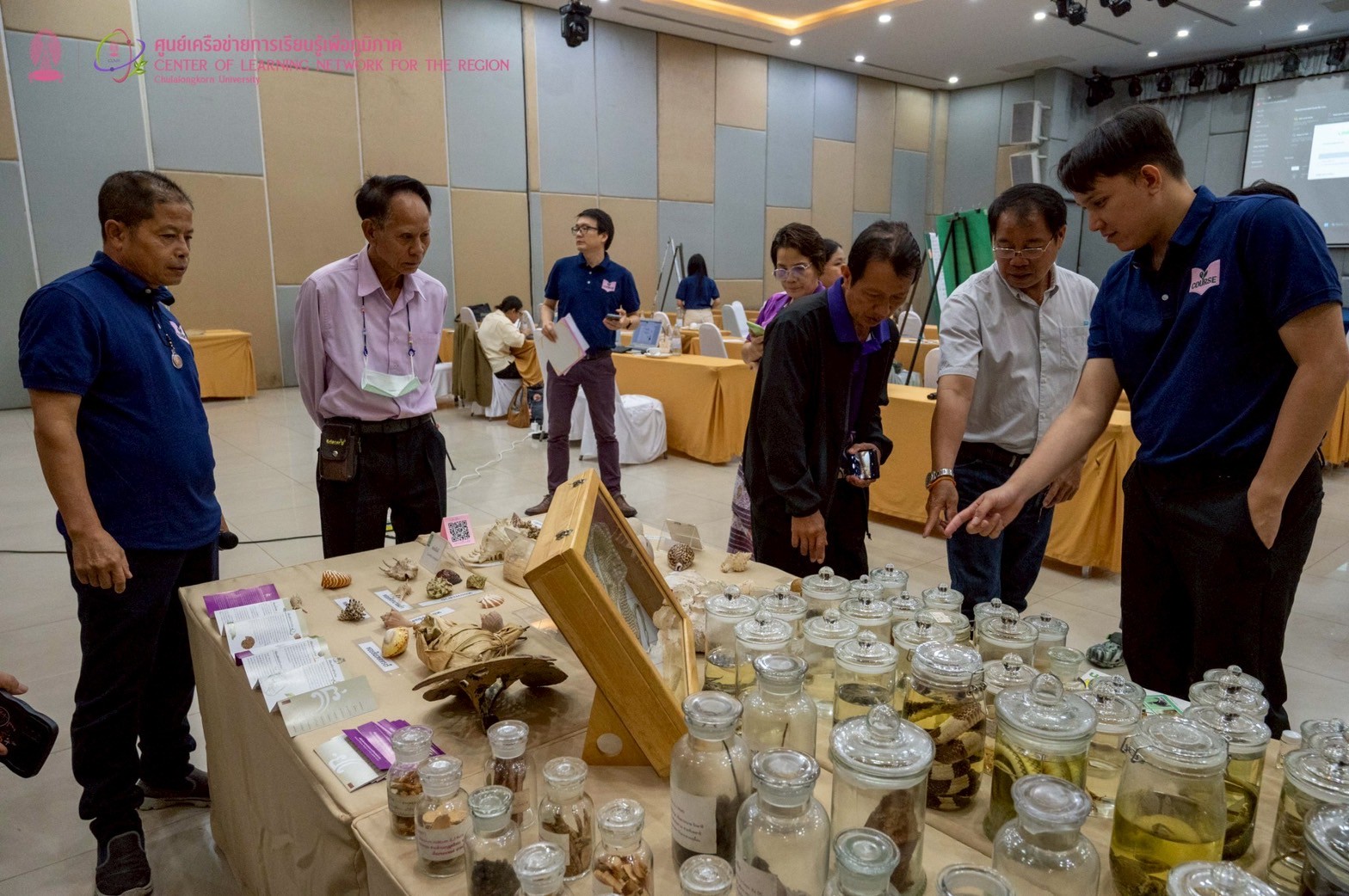
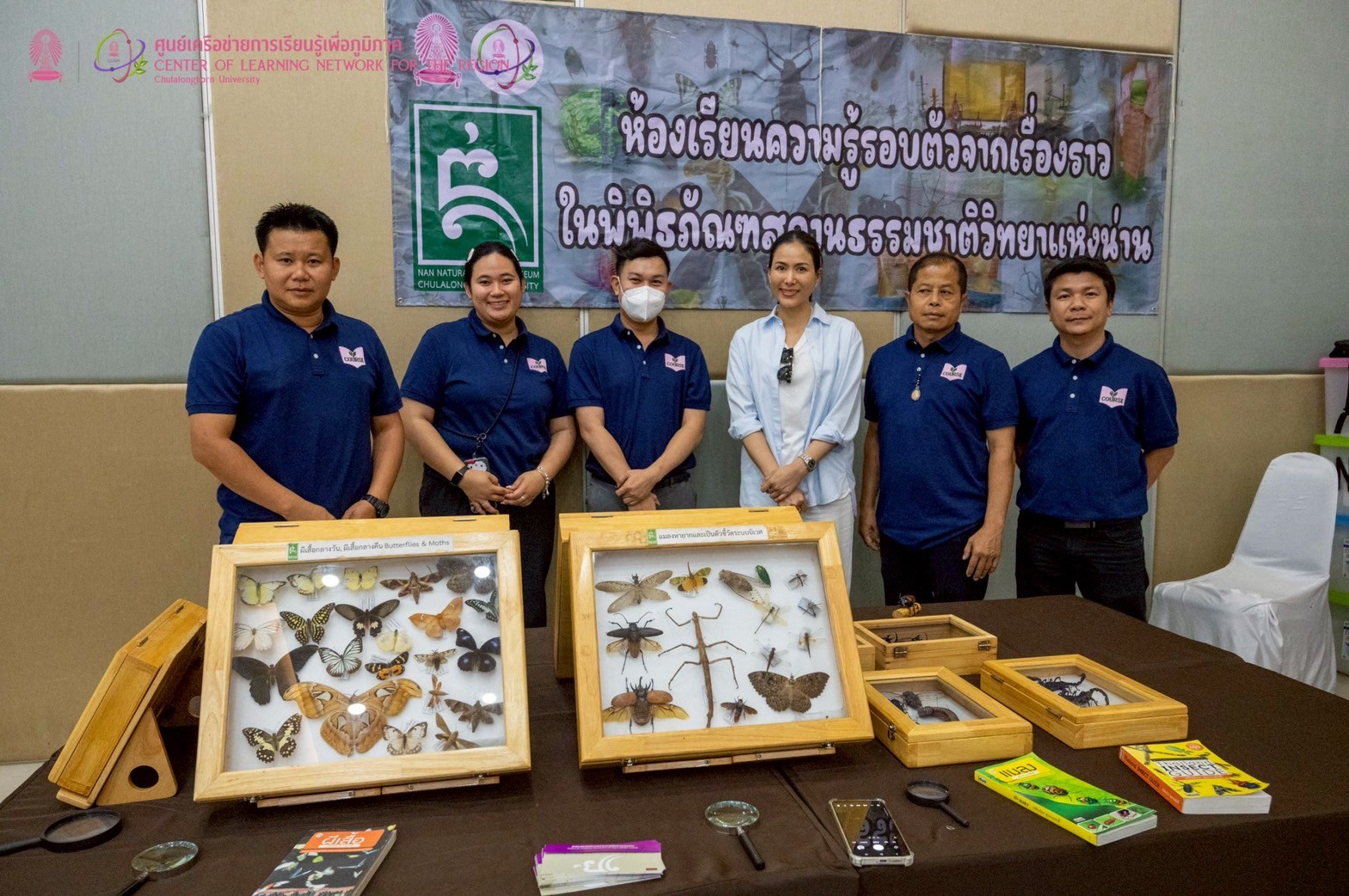
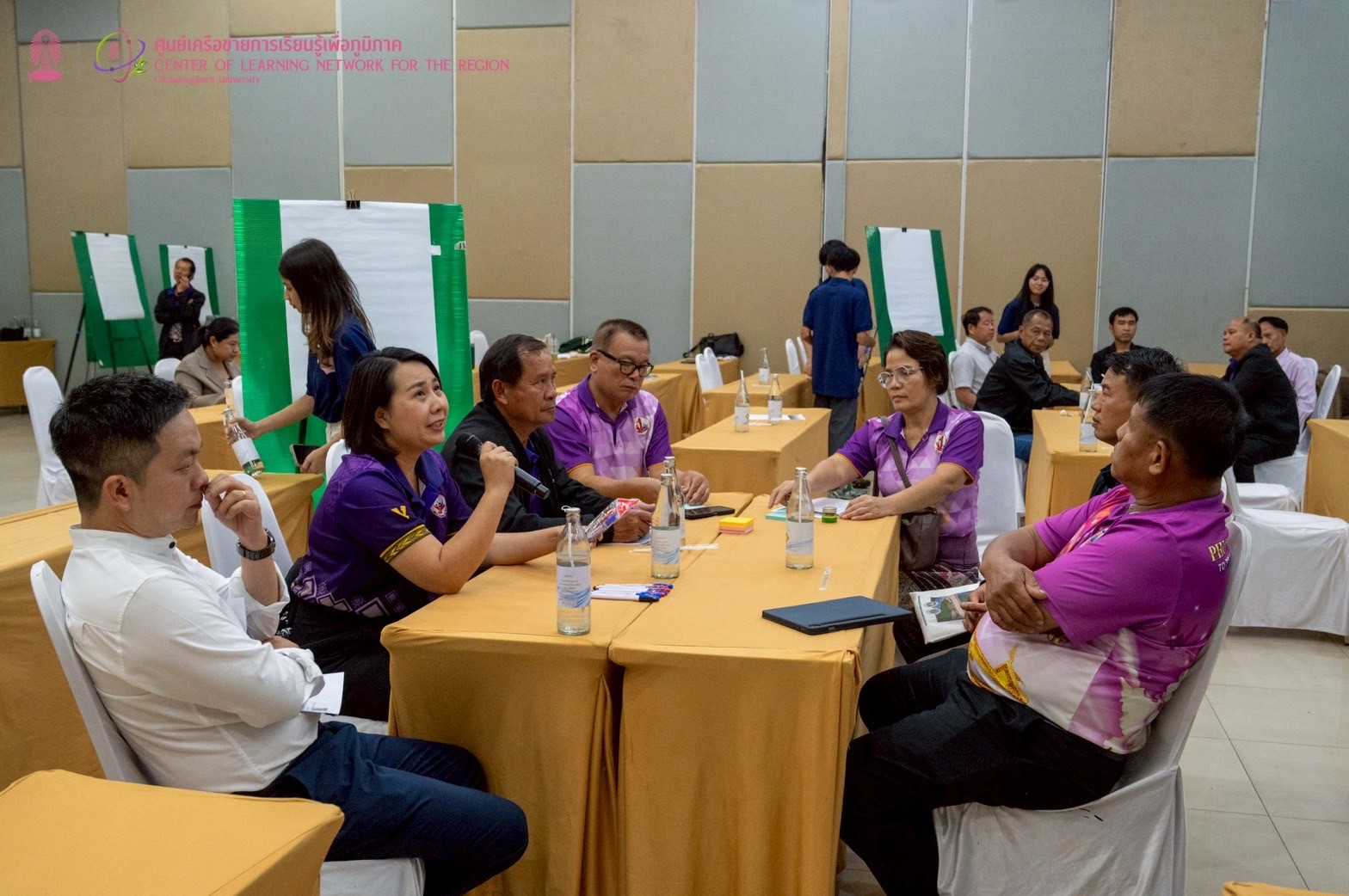
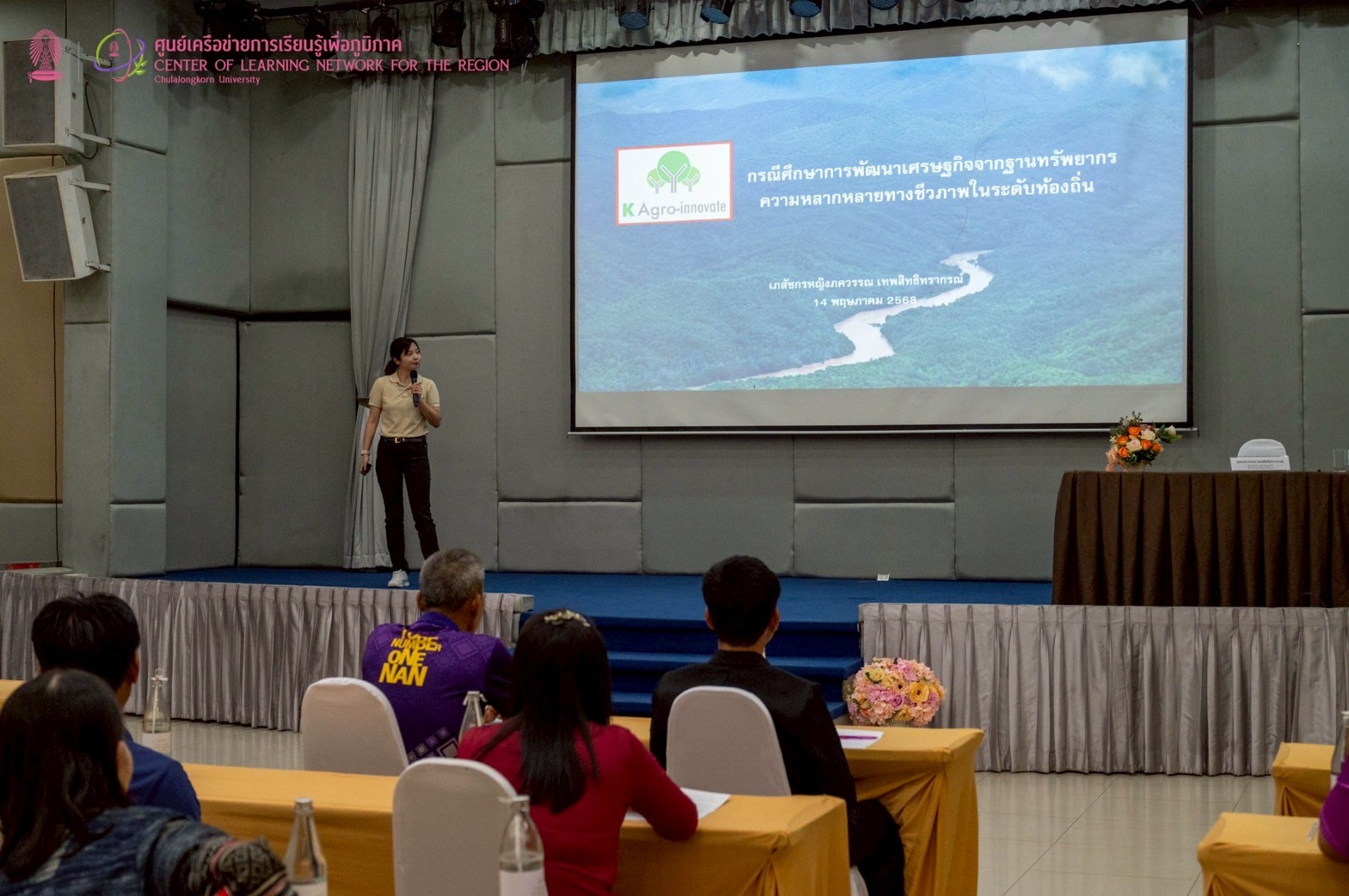
The activities emphasized academic lectures, brainstorming workshops, and knowledge exchange through key topics such as the importance of biodiversity in the area, local strategies and policies for conservation, case studies from successful communities, the mobile natural history museum forum “What does Nan Province have to offer?”, and a survey and creation of local biodiversity databases using the iNaturalist application.
?Additionally, there were discussions and exchanges of opinions, lessons learned from various case studies, and analysis of approaches that could be adapted for local application regarding successful biodiversity management.
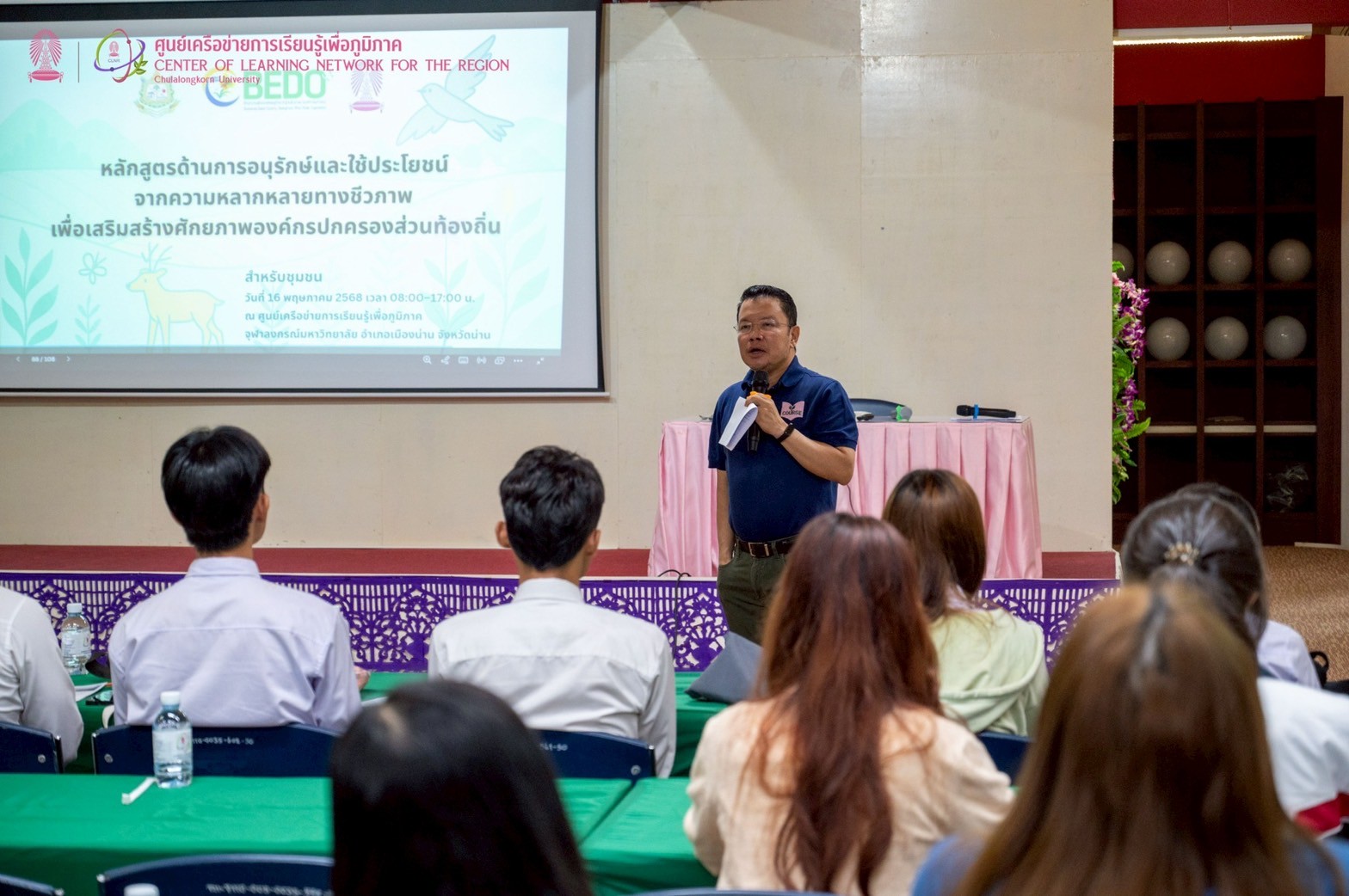
This project serves as an important platform for creating “green local leaders” who will help drive natural resource conservation at the local level, aligning with the objectives of the GBF 2030 framework and the global .