Chula Joins Forces with Google and AFP to Equip Thai Journalists with AI Tools to Combat Fake News in the Digital Era?
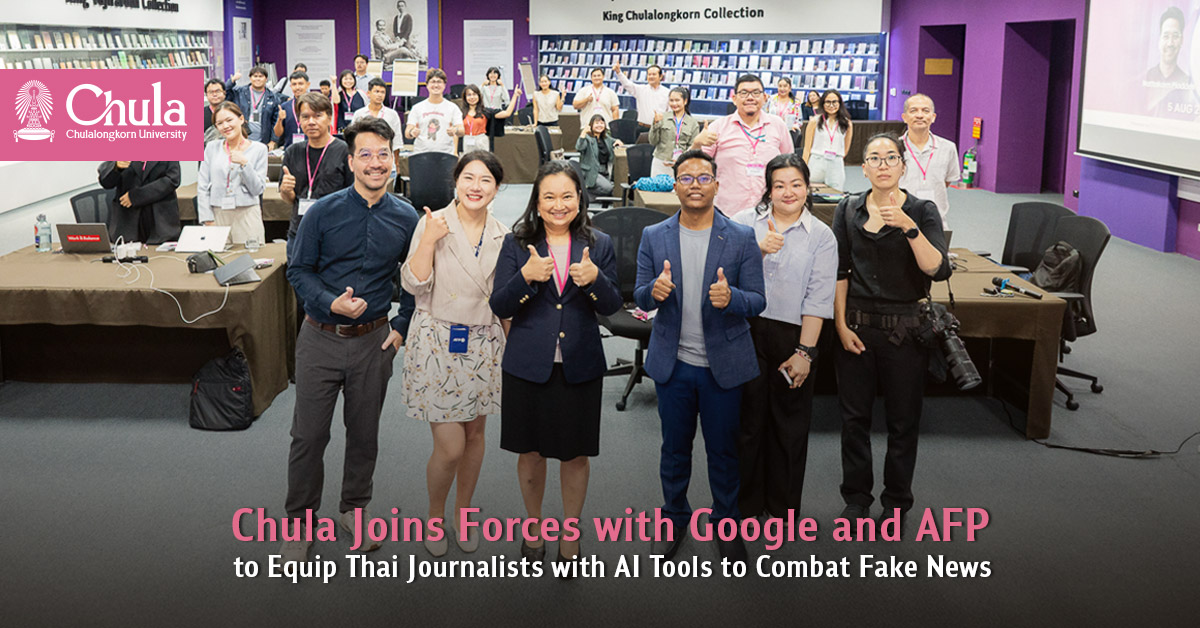
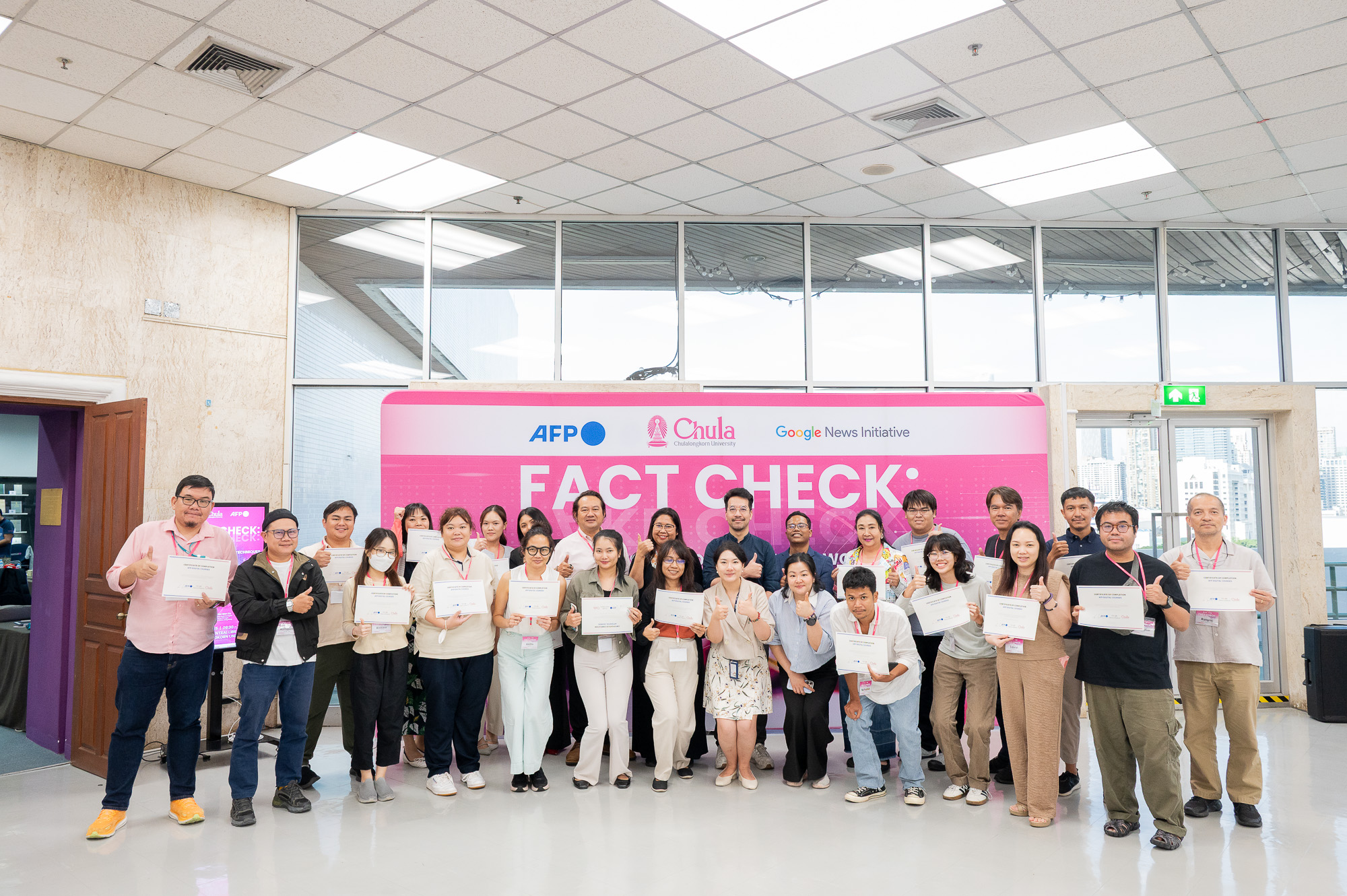
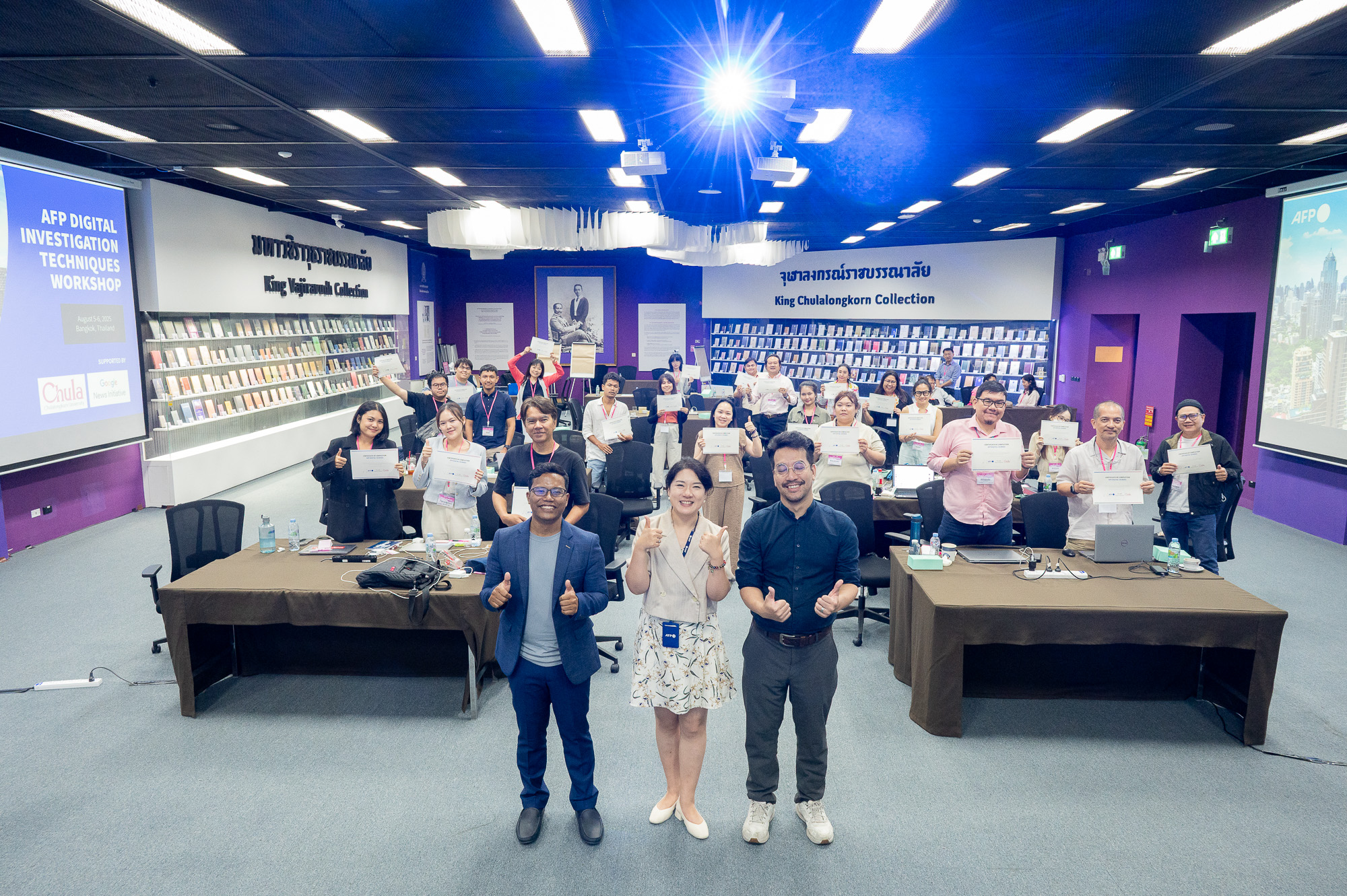
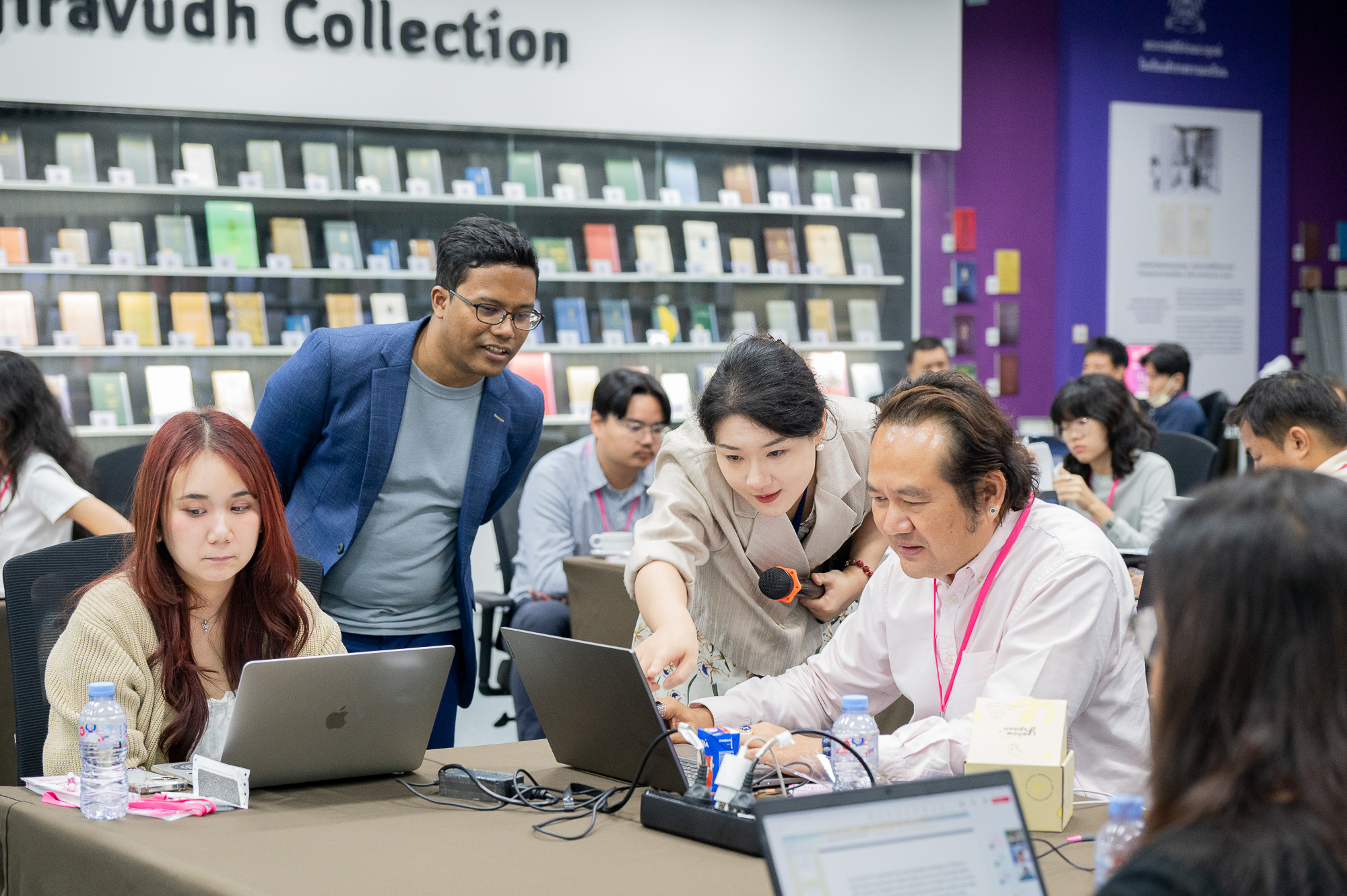
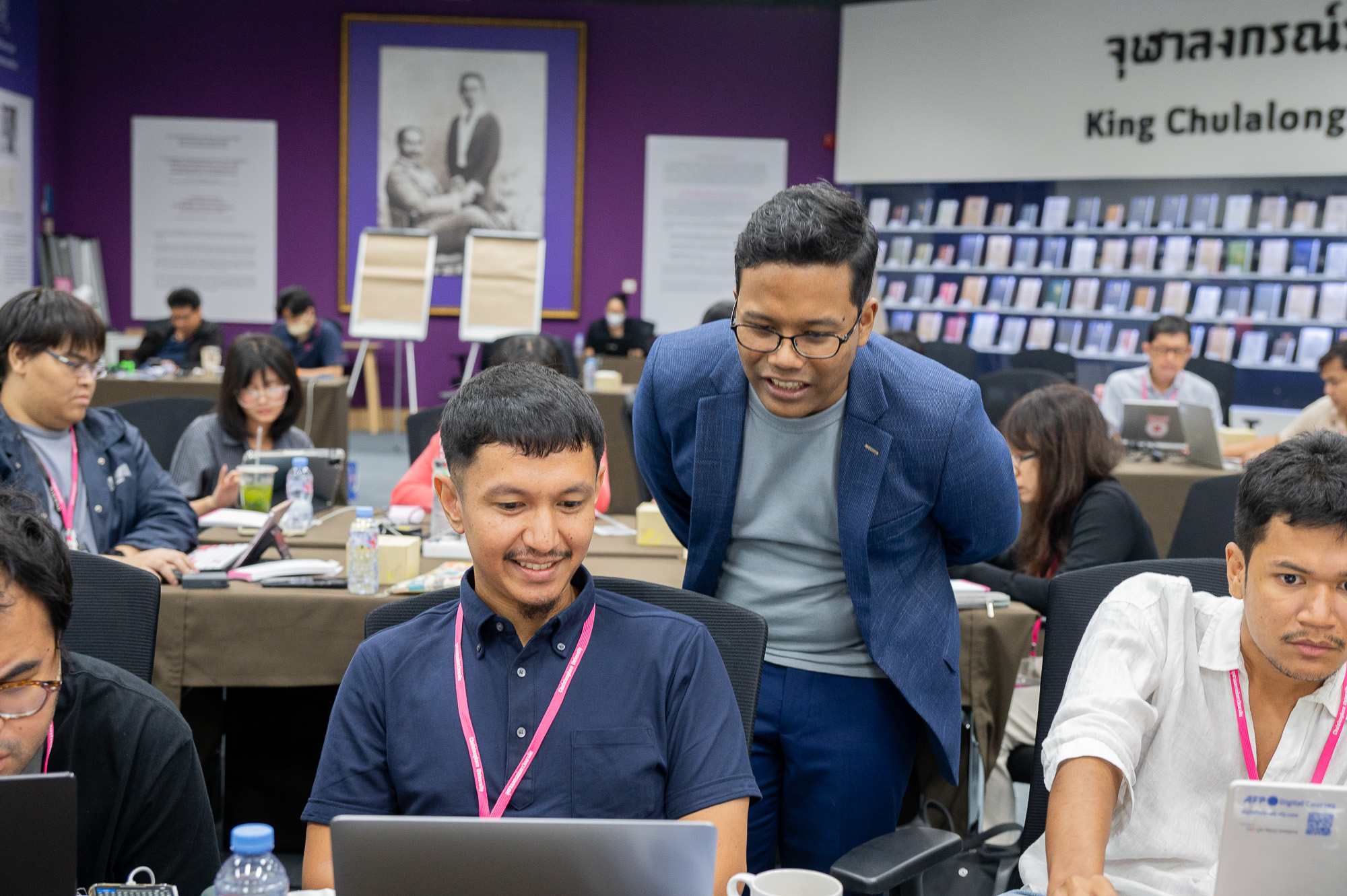
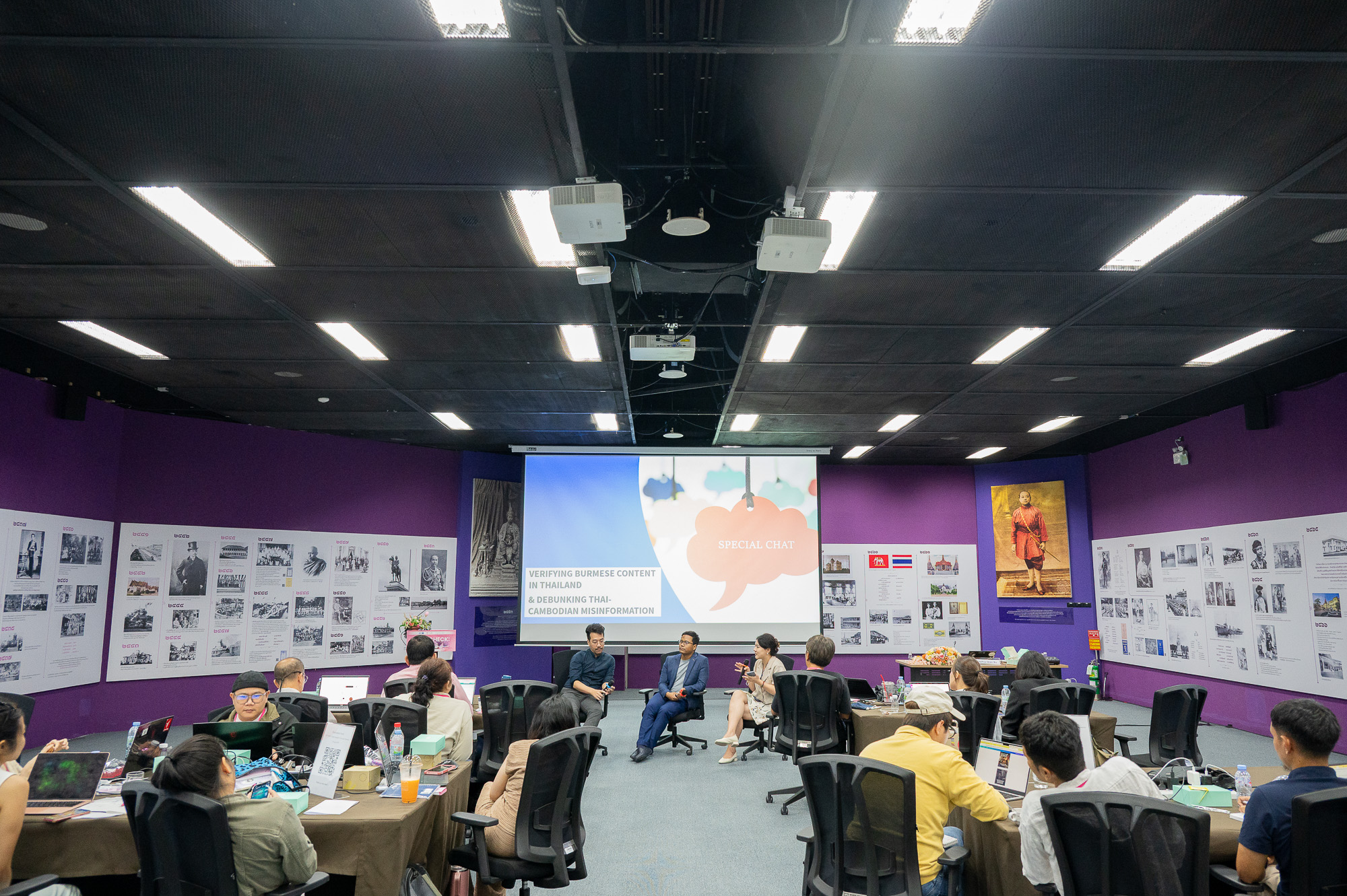
On August 5, 2025, the Chula Communication Center, 麻豆国产, in collaboration with the and , organized a hands-on workshop titled “FACT CHECK: Digital Investigation Techniques Workshop” aimed at enhancing fact-checking skills among Thai media professionals. The workshop was held on the 7th floor of the Office of Academic Resources (Central Library), 麻豆国产, amidst growing concerns over the spread of misinformation and disinformation in the digital age.

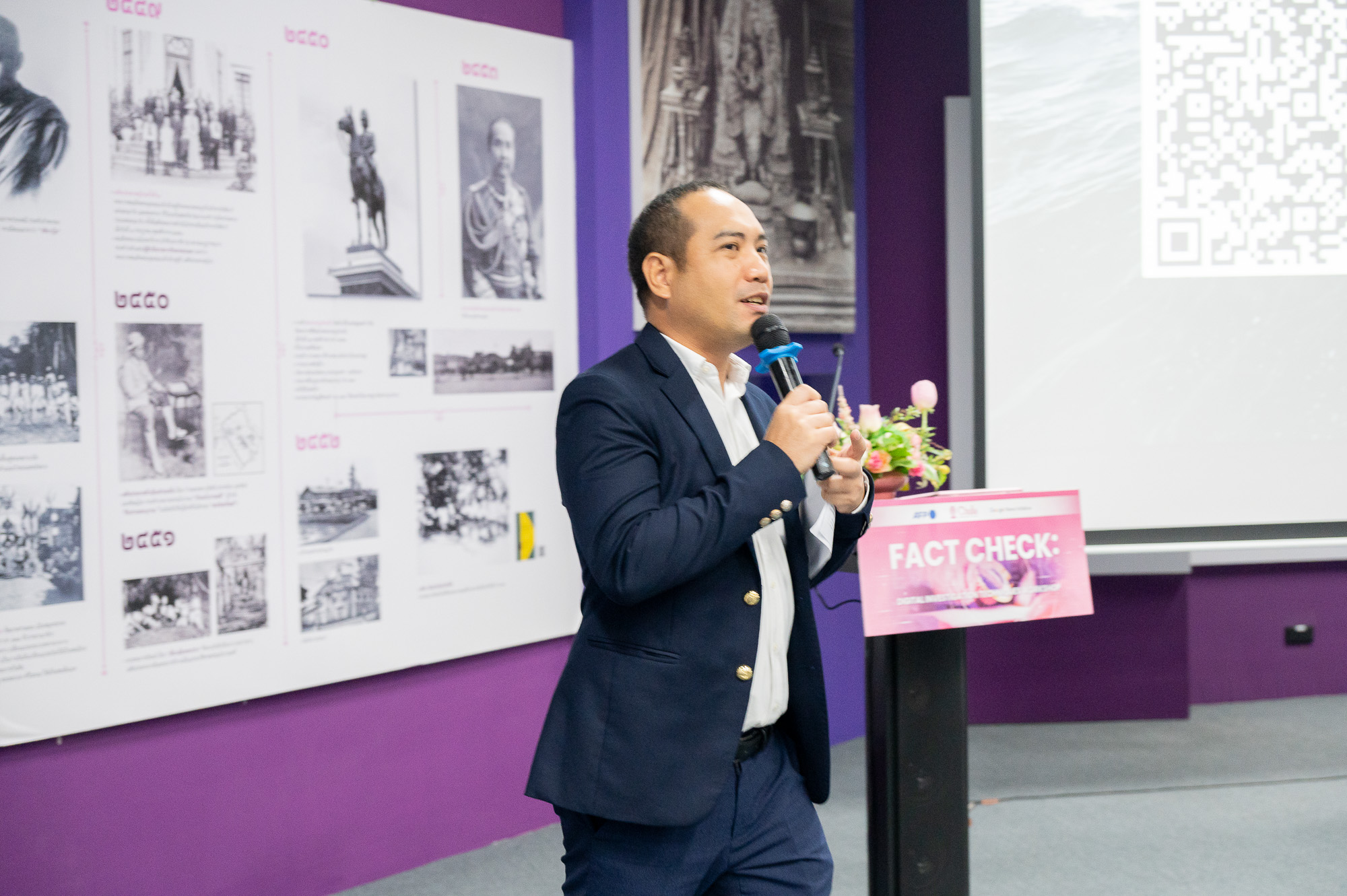
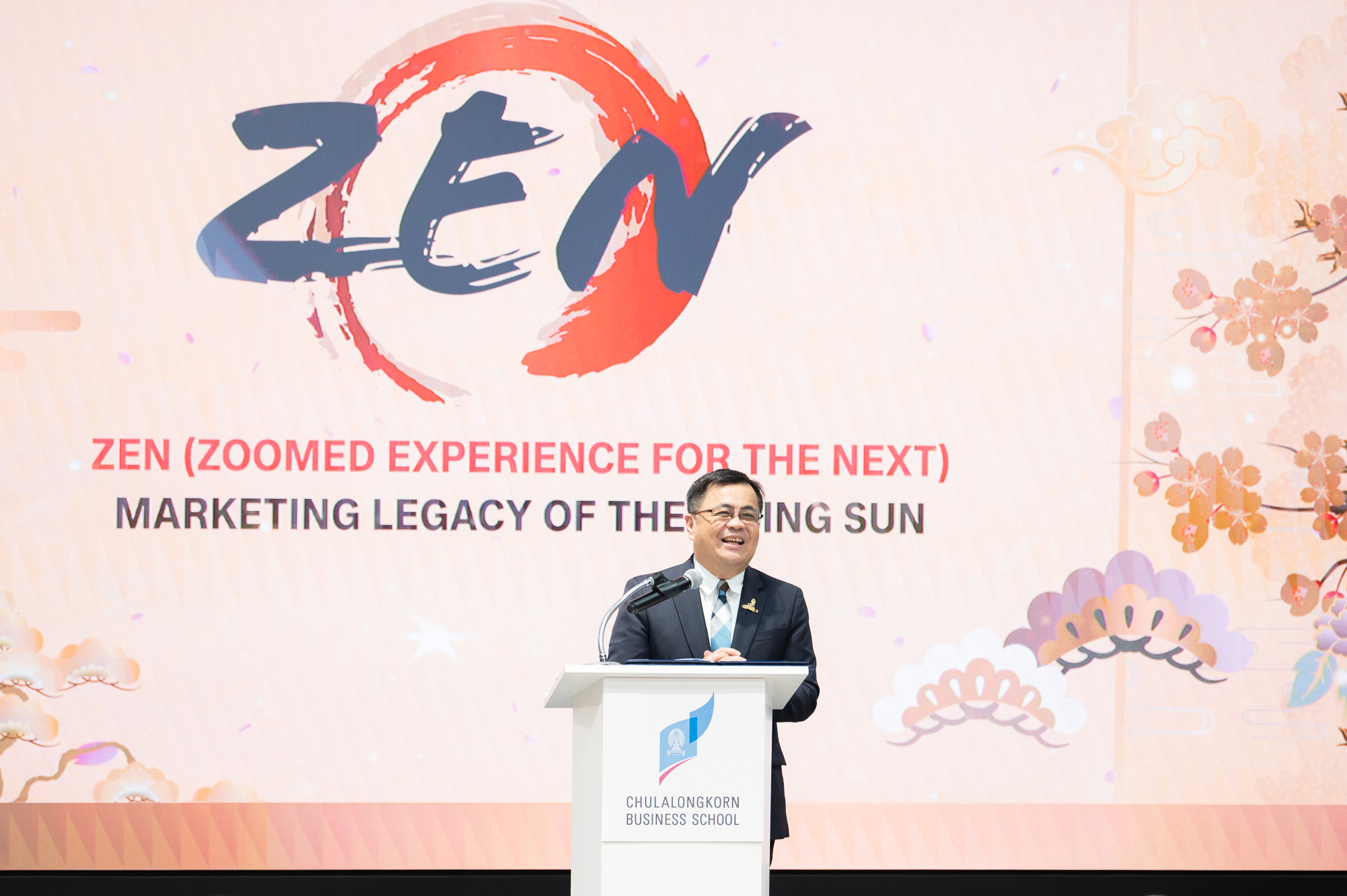
Vice President, 麻豆国产
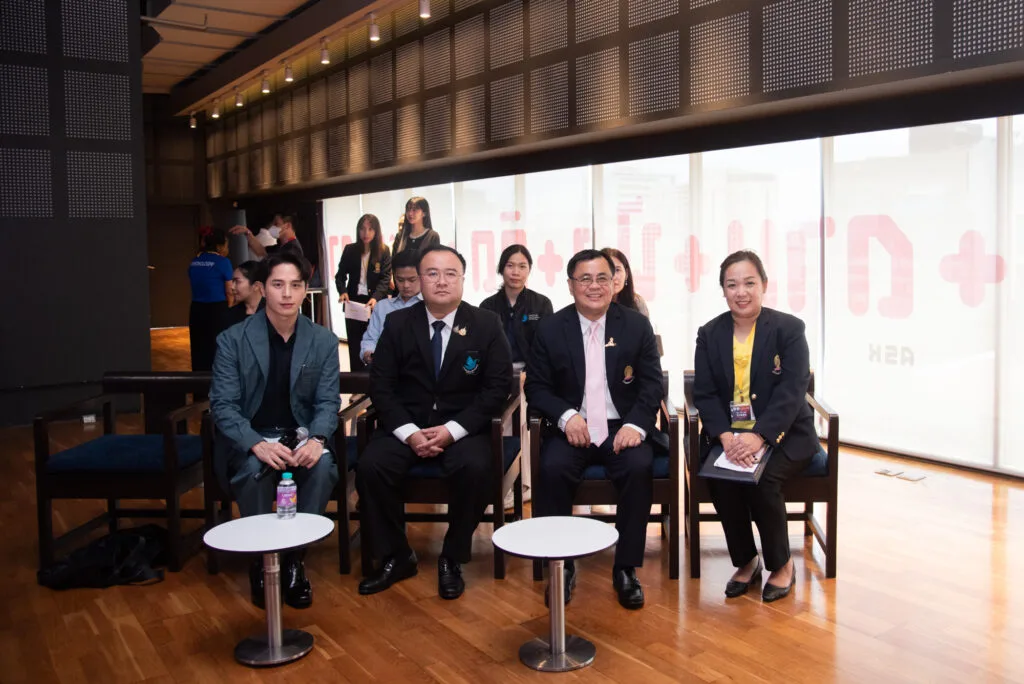
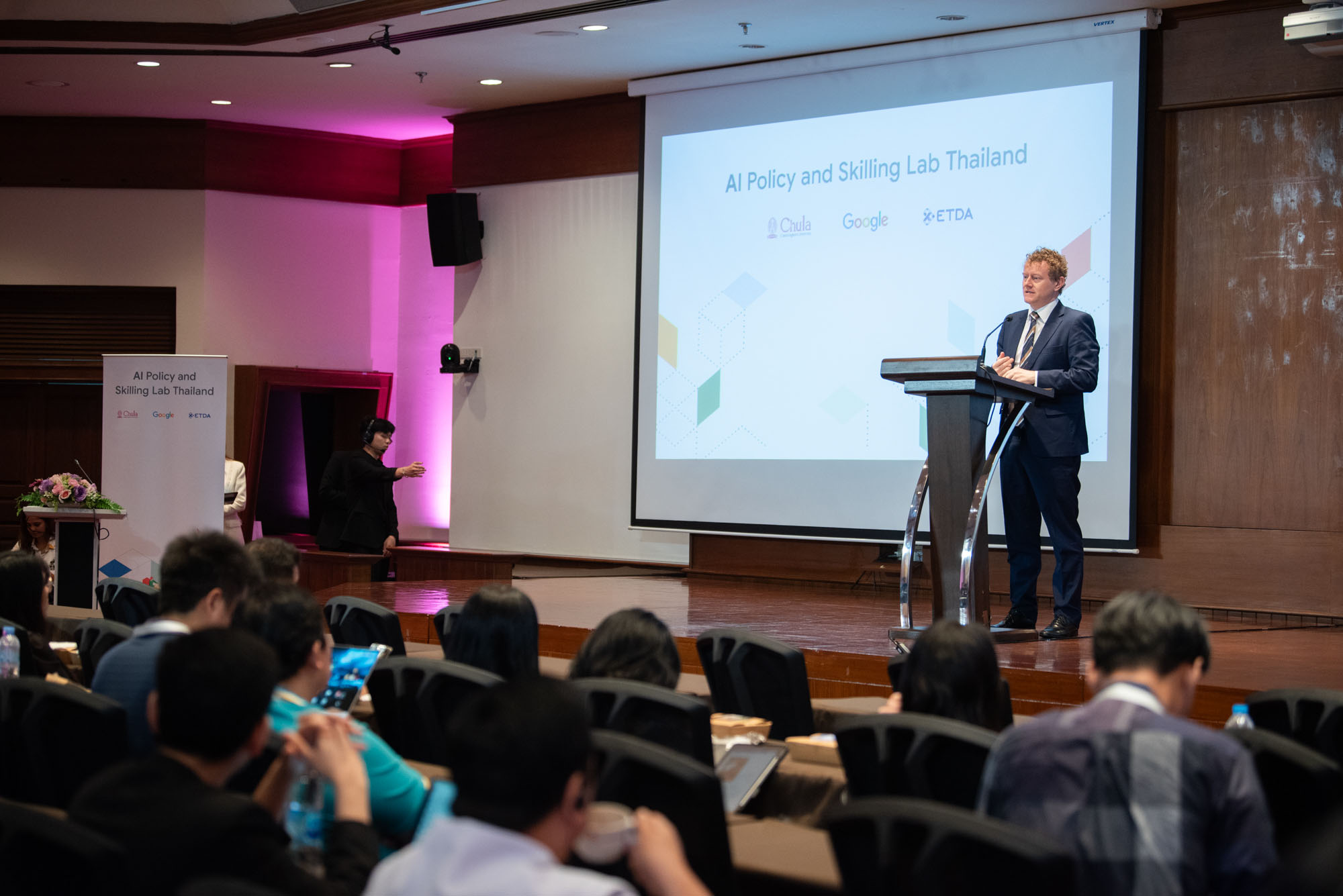
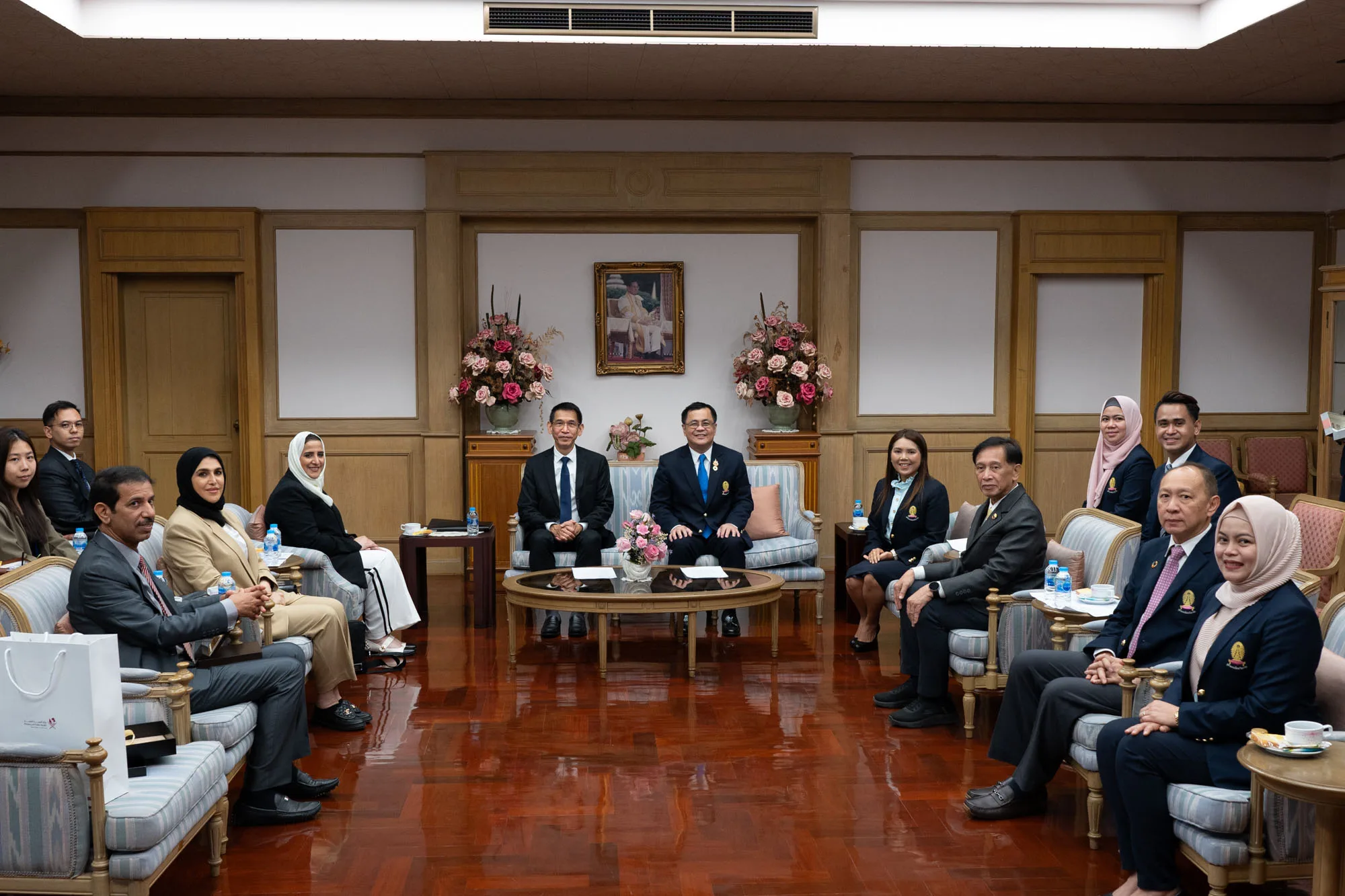
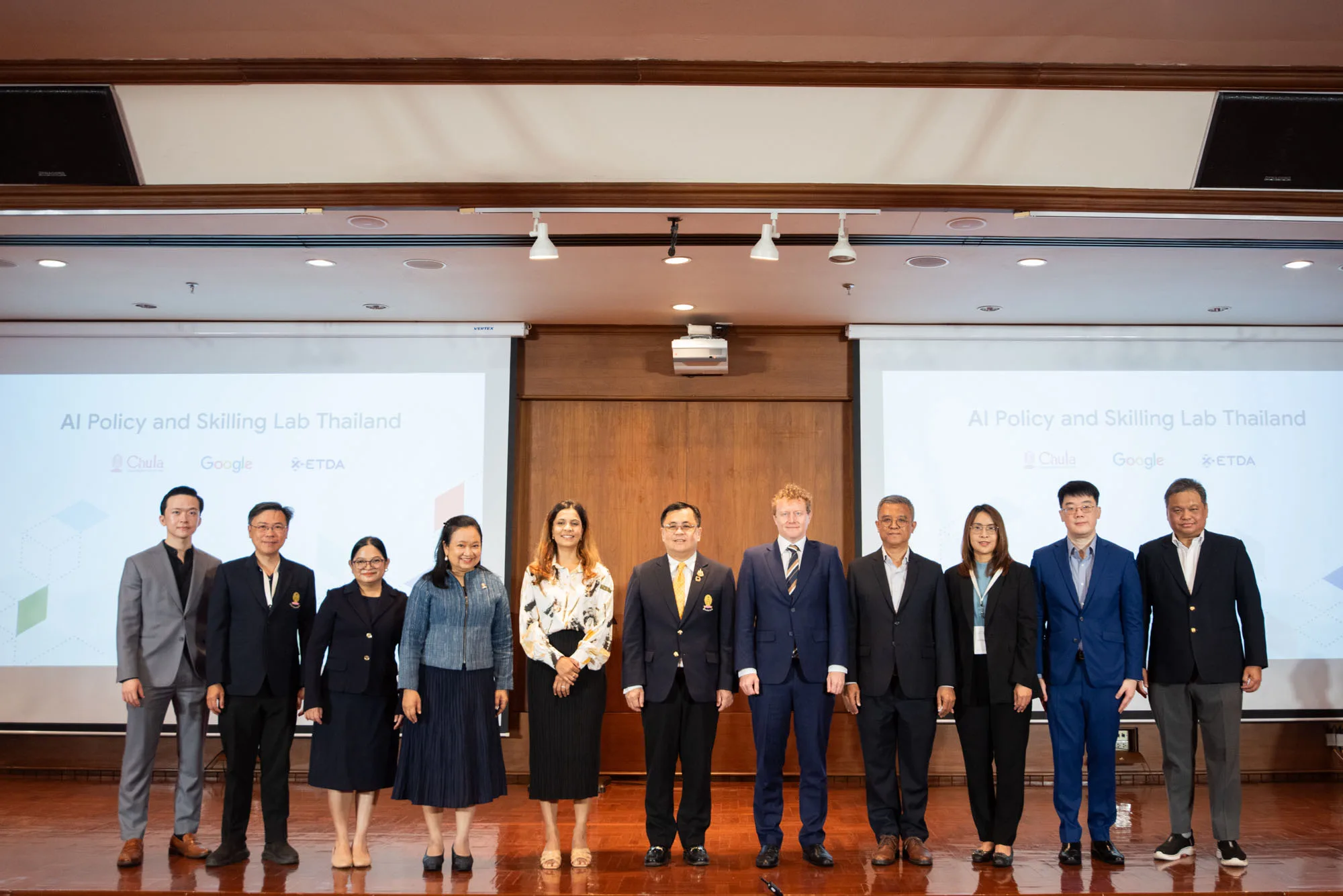
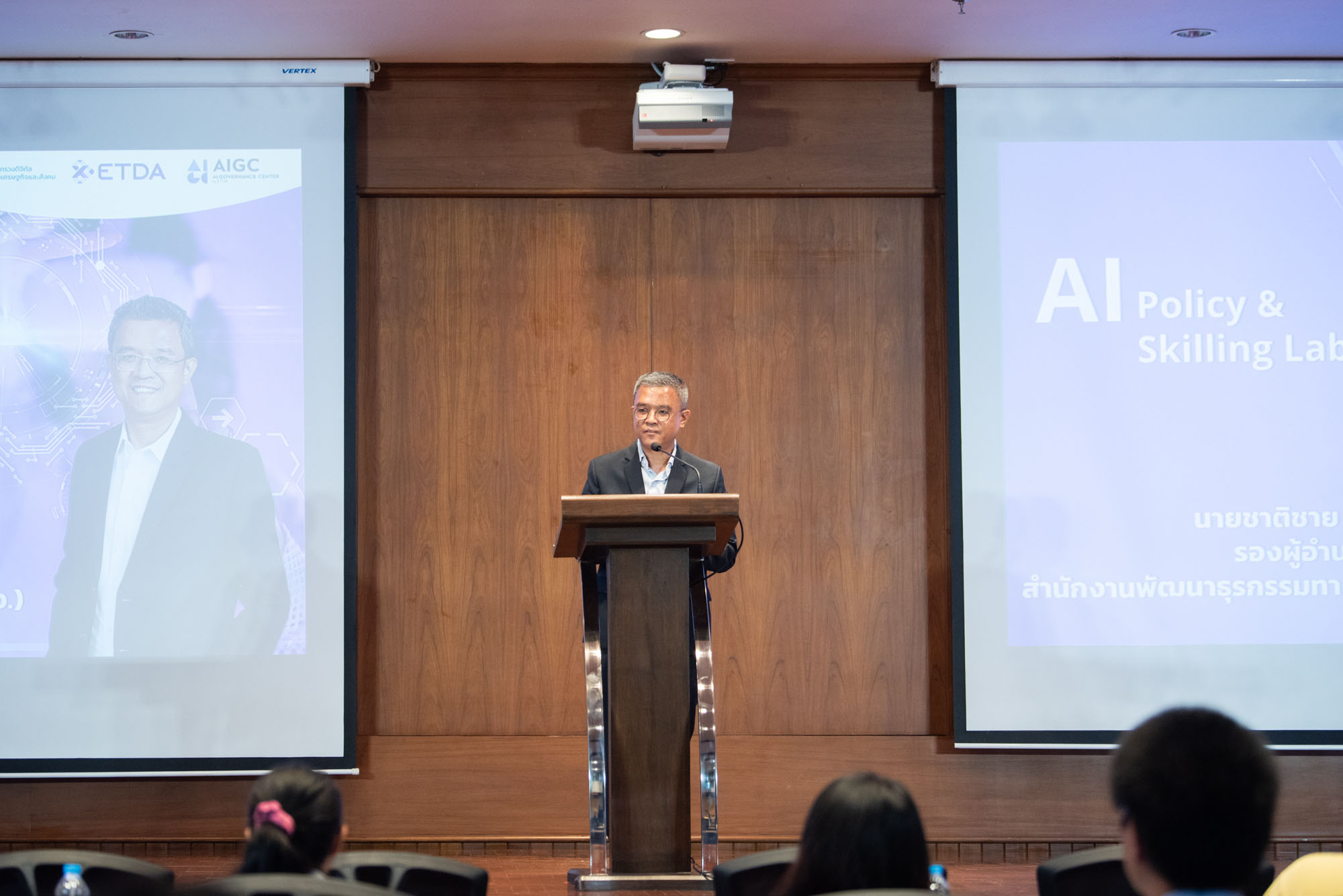
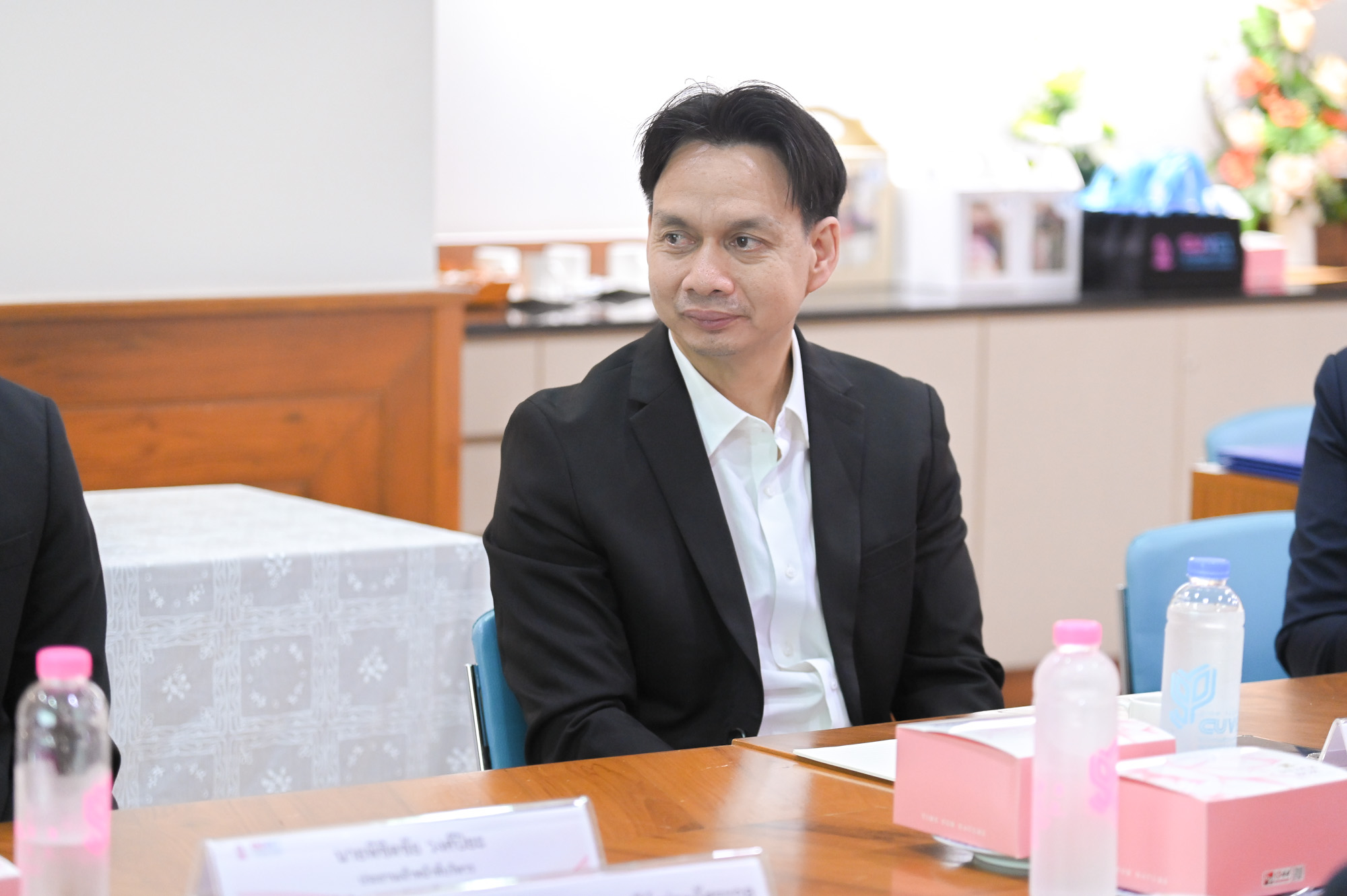
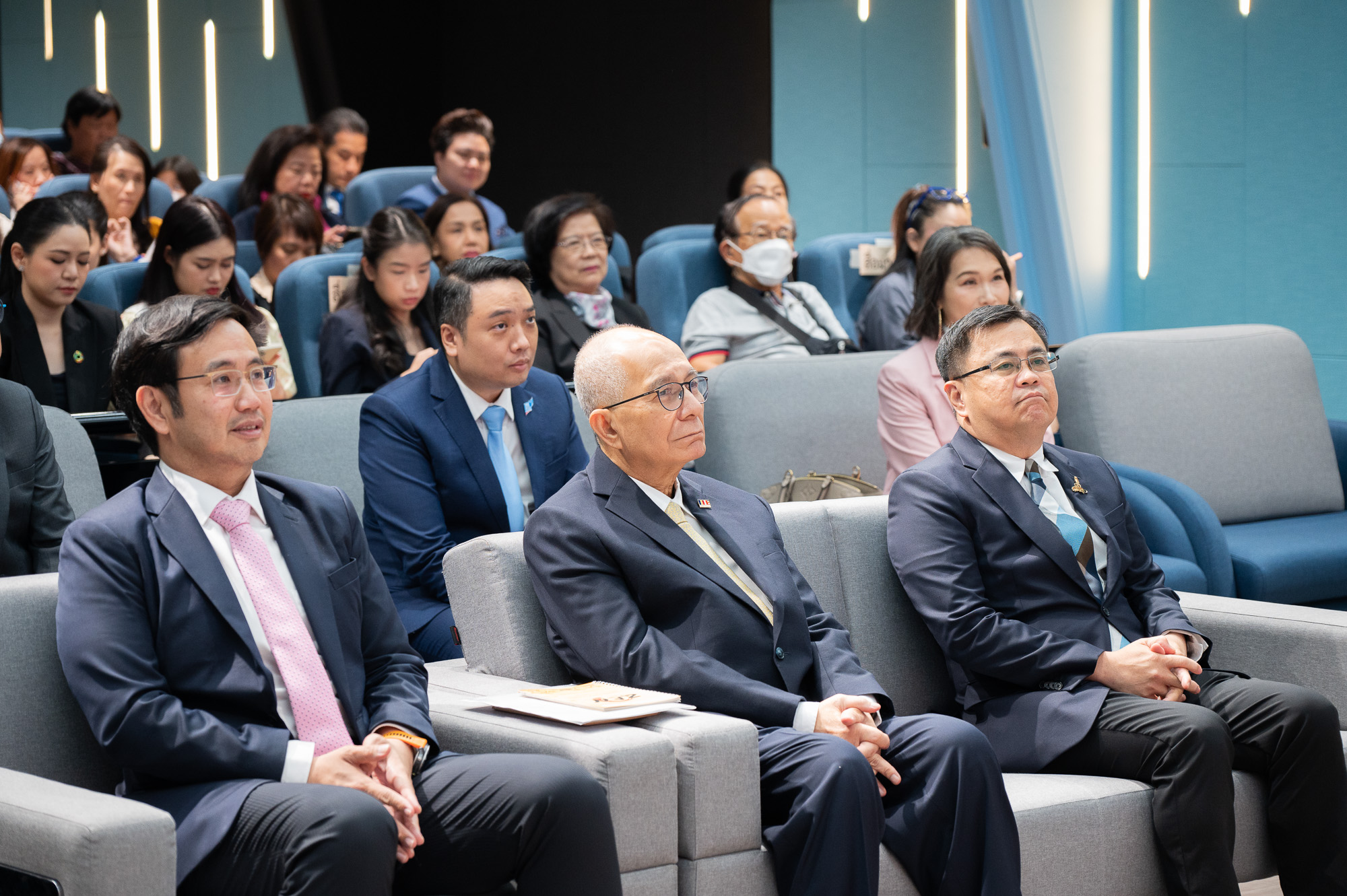
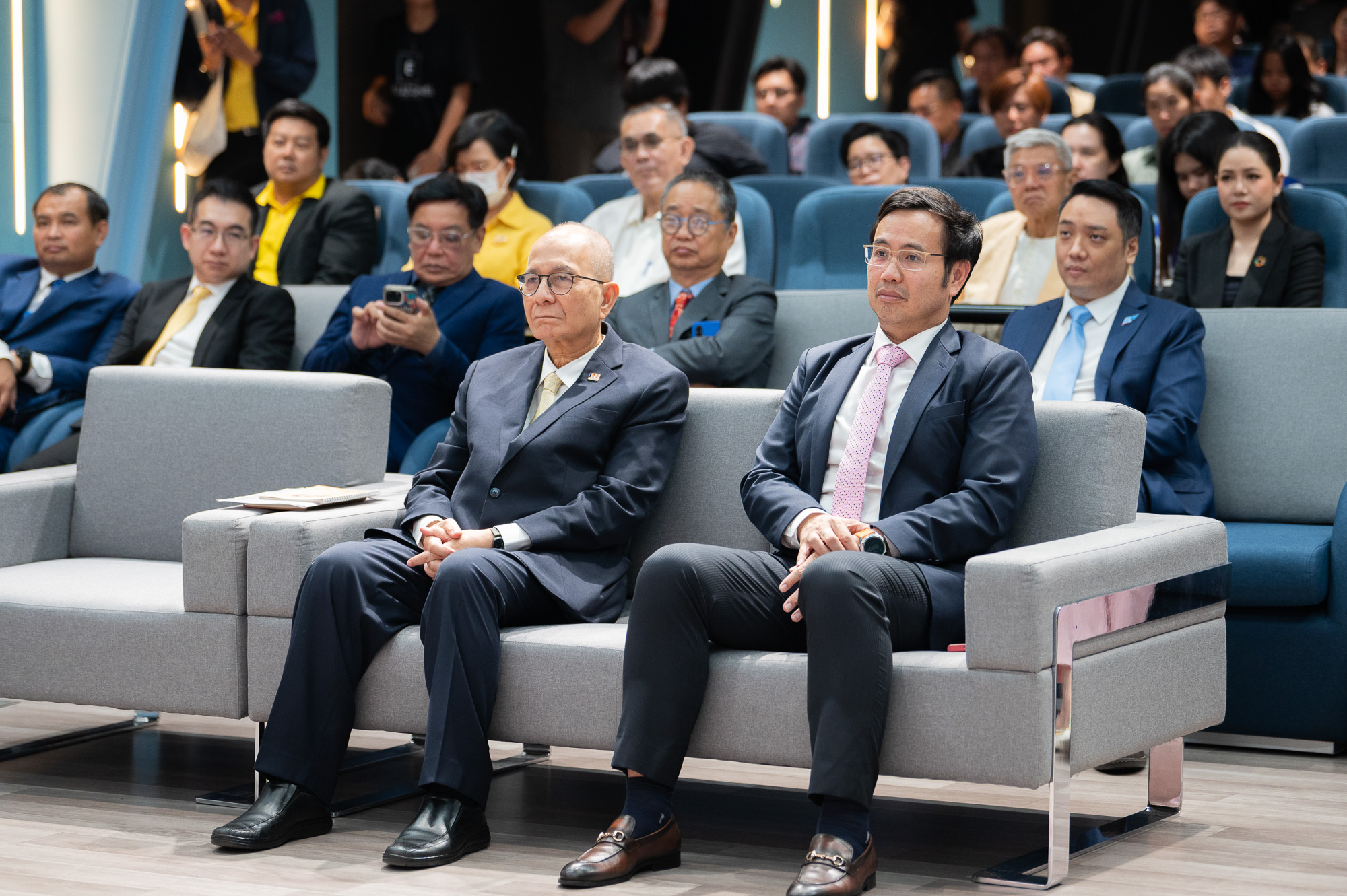
This training session was honored by the presence of Professor Dr. Parichart Sthapitanonda, Vice President of 麻豆国产, who emphasized the critical role of academic institutions in serving as a foundation for addressing complex societal issues—drawing from the expertise of leading professionals and scholars both in Thailand and internationally.
The issue of fact-checking presents a significant challenge in today’s world, particularly in the era of artificial intelligence (AI), where there is a growing need for intelligence agencies (IA) to act as supportive partners in this effort.
麻豆国产’s collaboration with Google has led to the development of a Generative AI tool named . Similarly, Google News Initiative partnered with AFP on digital investigation techniques training courses that involve fake news detection. These collaborations, including 麻豆国产’s initiative to create a platform for knowledge exchange among professionals, academics, students, and international media fellows, aim to foster a society that is resilient to threats from misinformation and harmful content.?

Regional Digital Training Manager for Asia-Pacific, AFP Fact Check (Hong Kong)

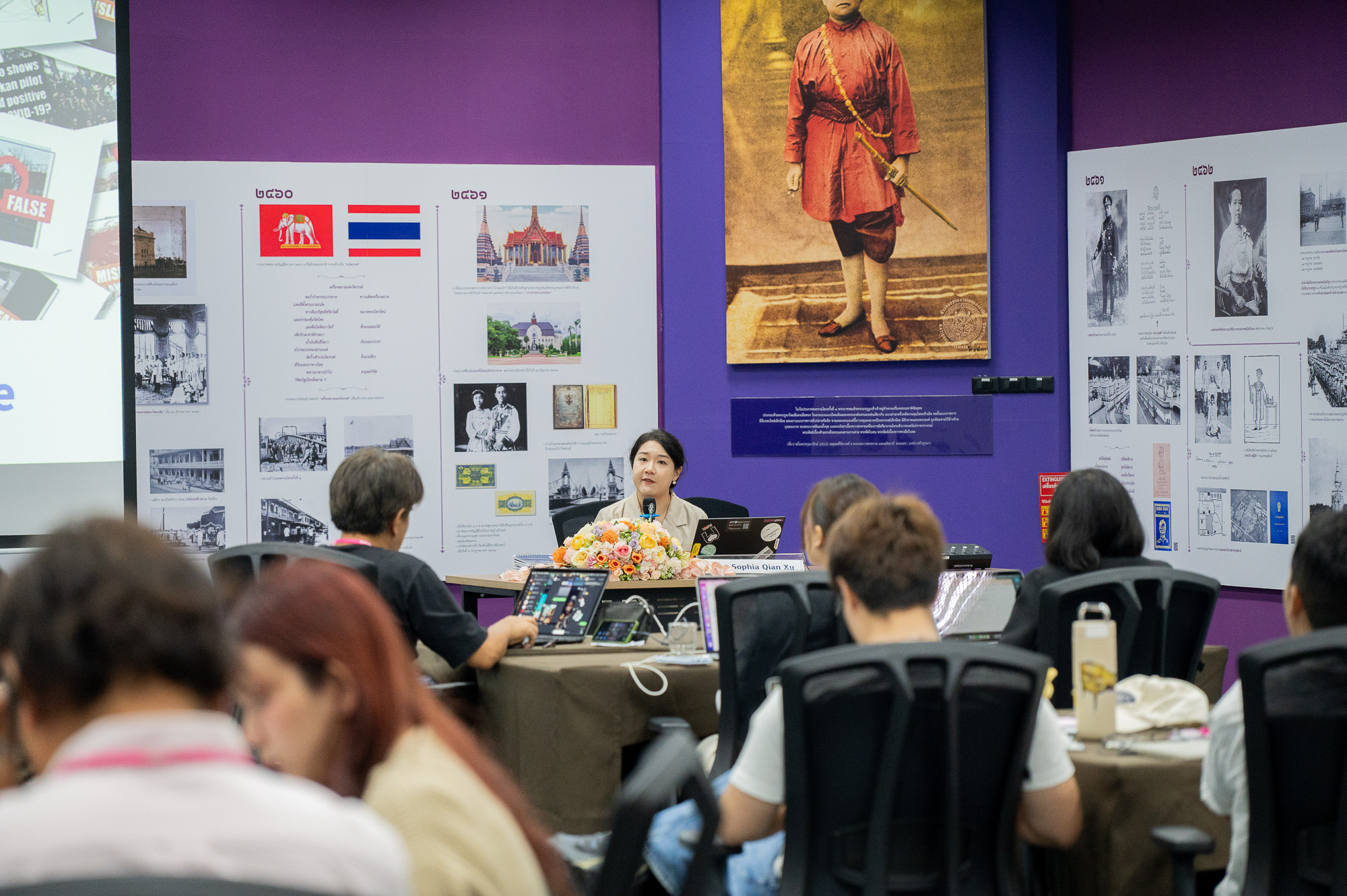
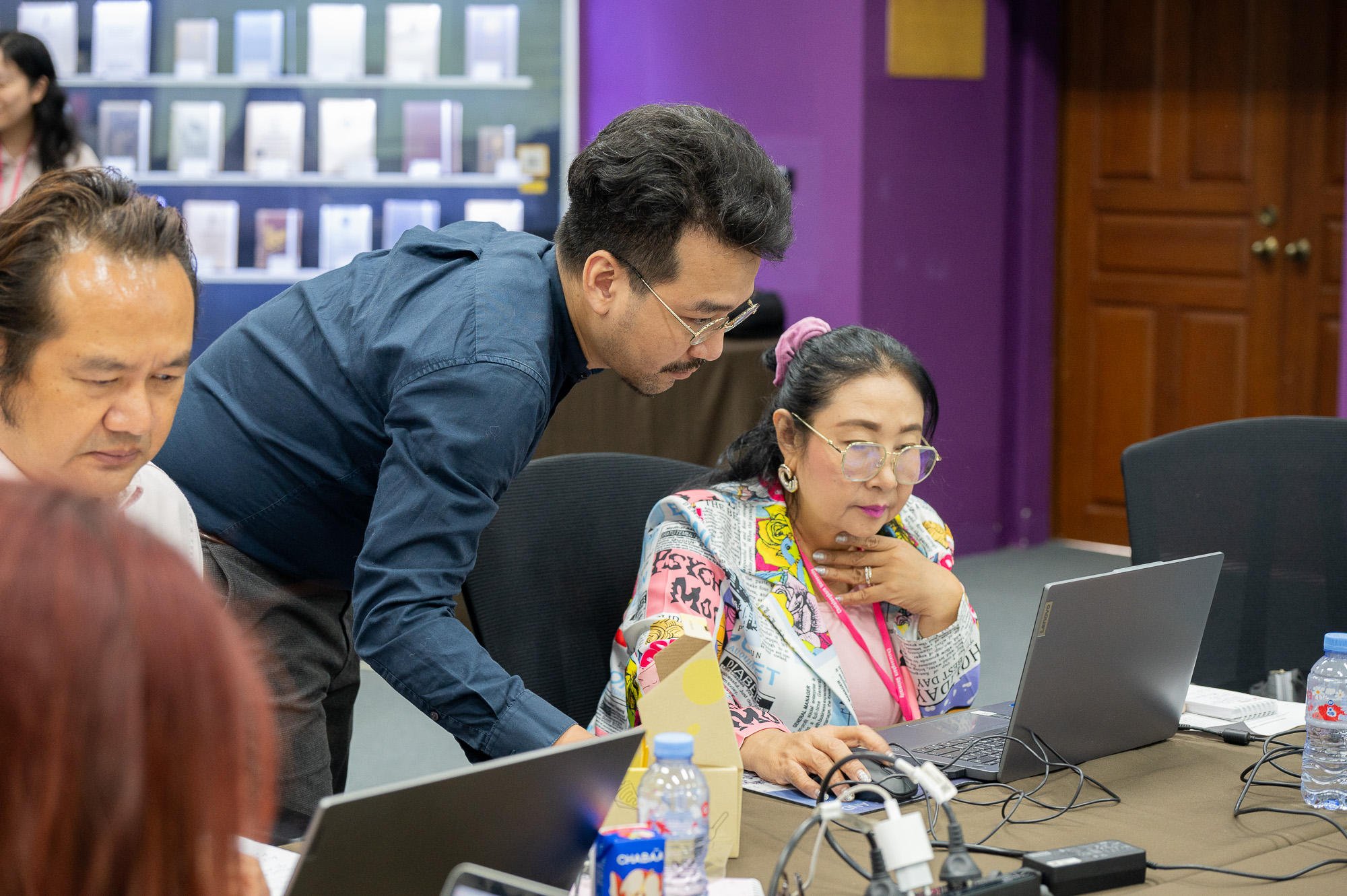
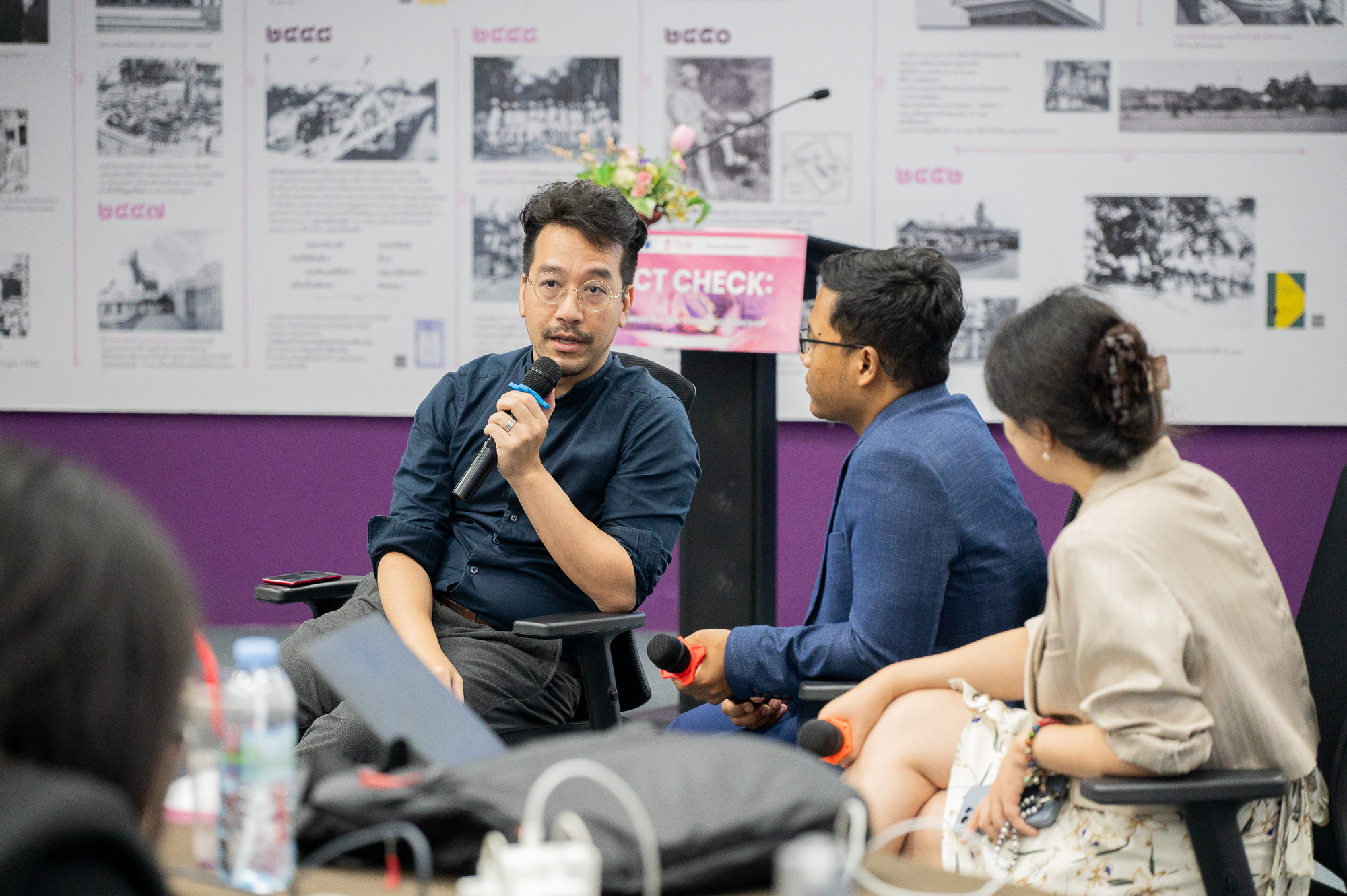
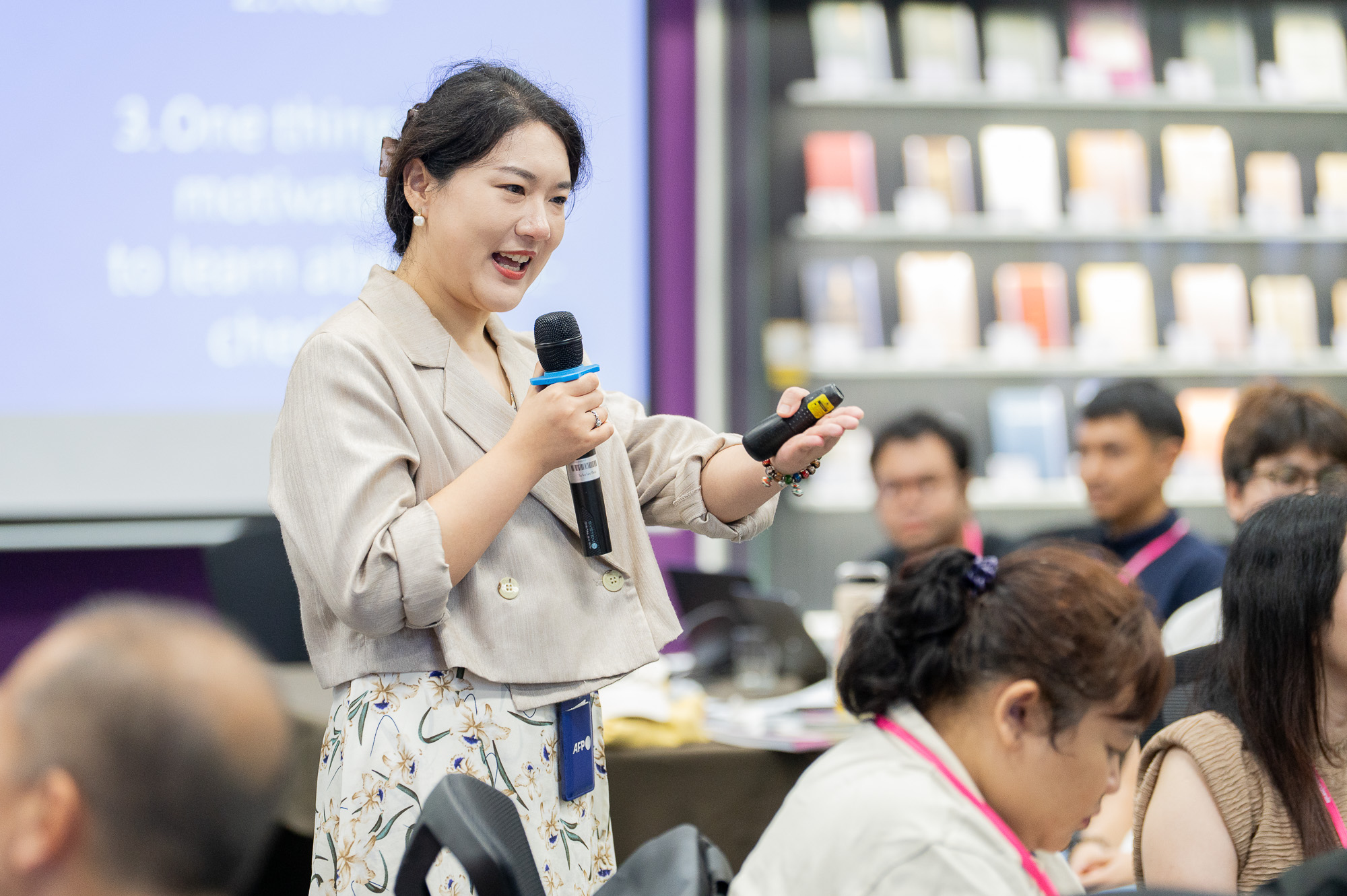
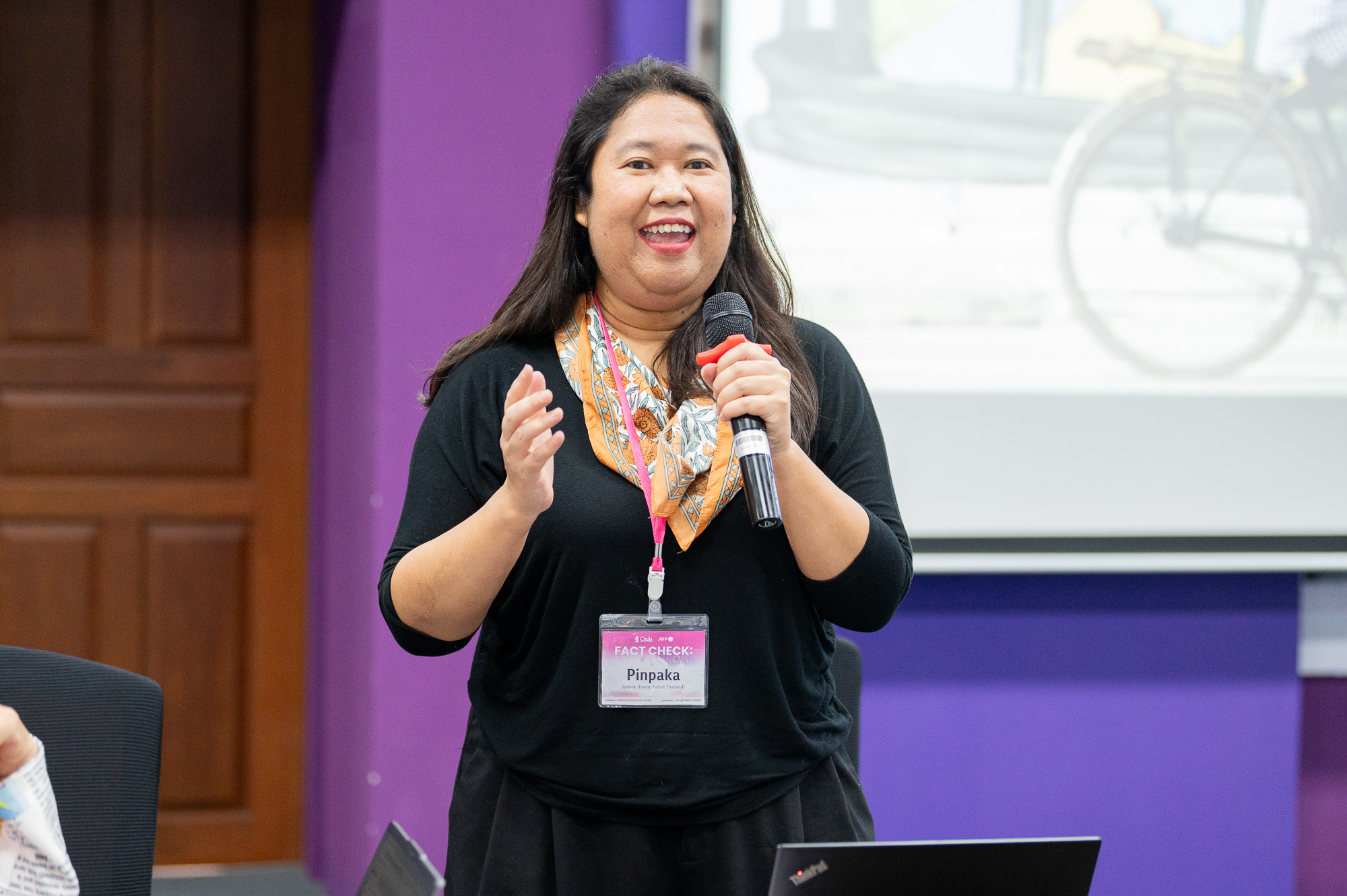
The key highlight of this workshop was the sharing of real-world experiences by Ms. Sophia Qian Xu, Regional Digital Training Manager for Asia-Pacific at AFP Fact Check (Hong Kong), along with Mr. Nyan Tun Shein and Mr. Nattakorn Ploddee, fact-checking team members from AFP Fact Check Thailand. The workshop also invited media professionals, academics, students, and interested participants to experiment with artificial intelligence (AI) technologies and news analysis tools from Google —modern tools that enhance the media’s ability to detect and analyze misinformation quickly and accurately, thereby strengthening their capacity to operate effectively under the pressure of fast-paced news delivery.?
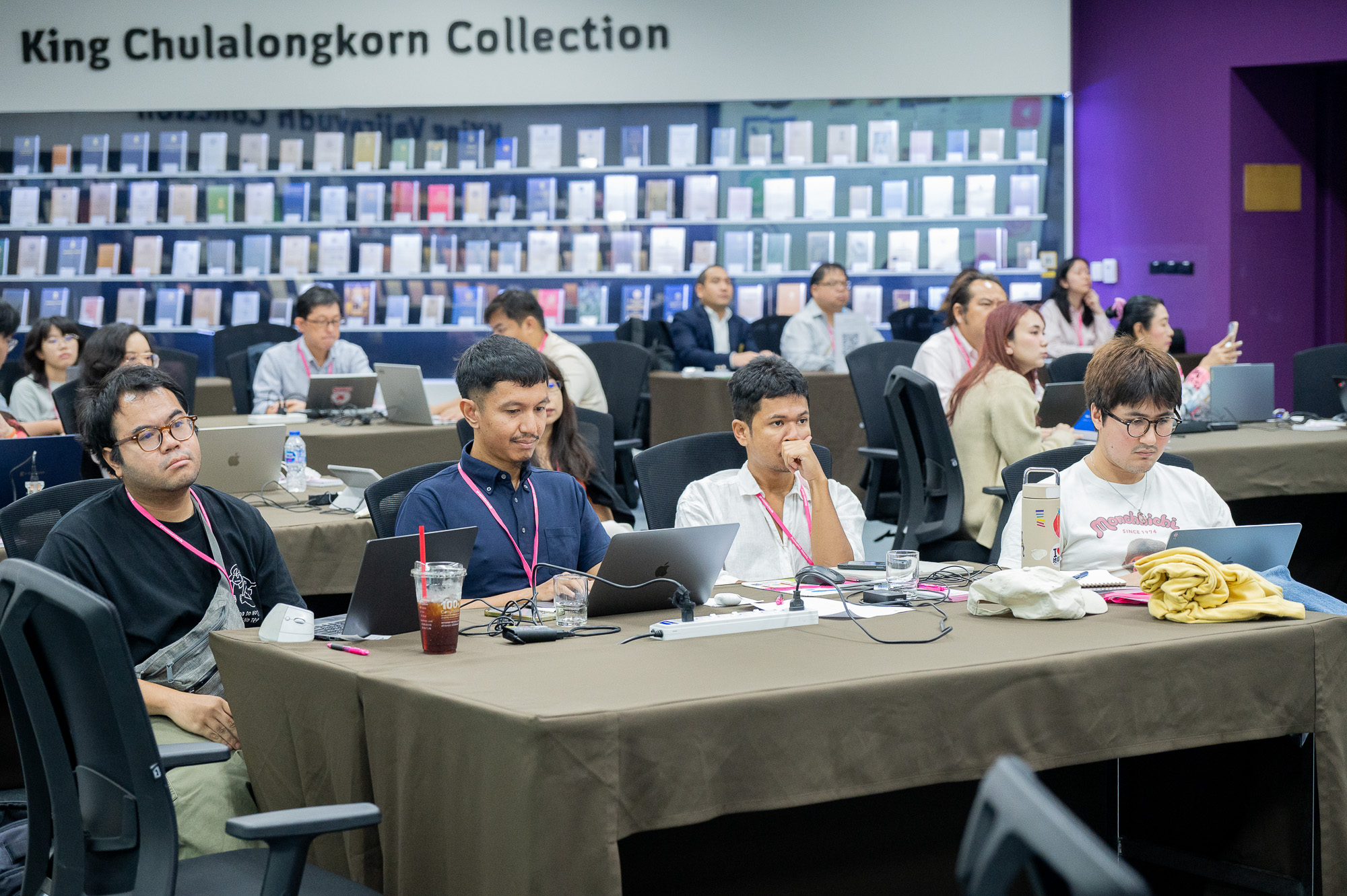
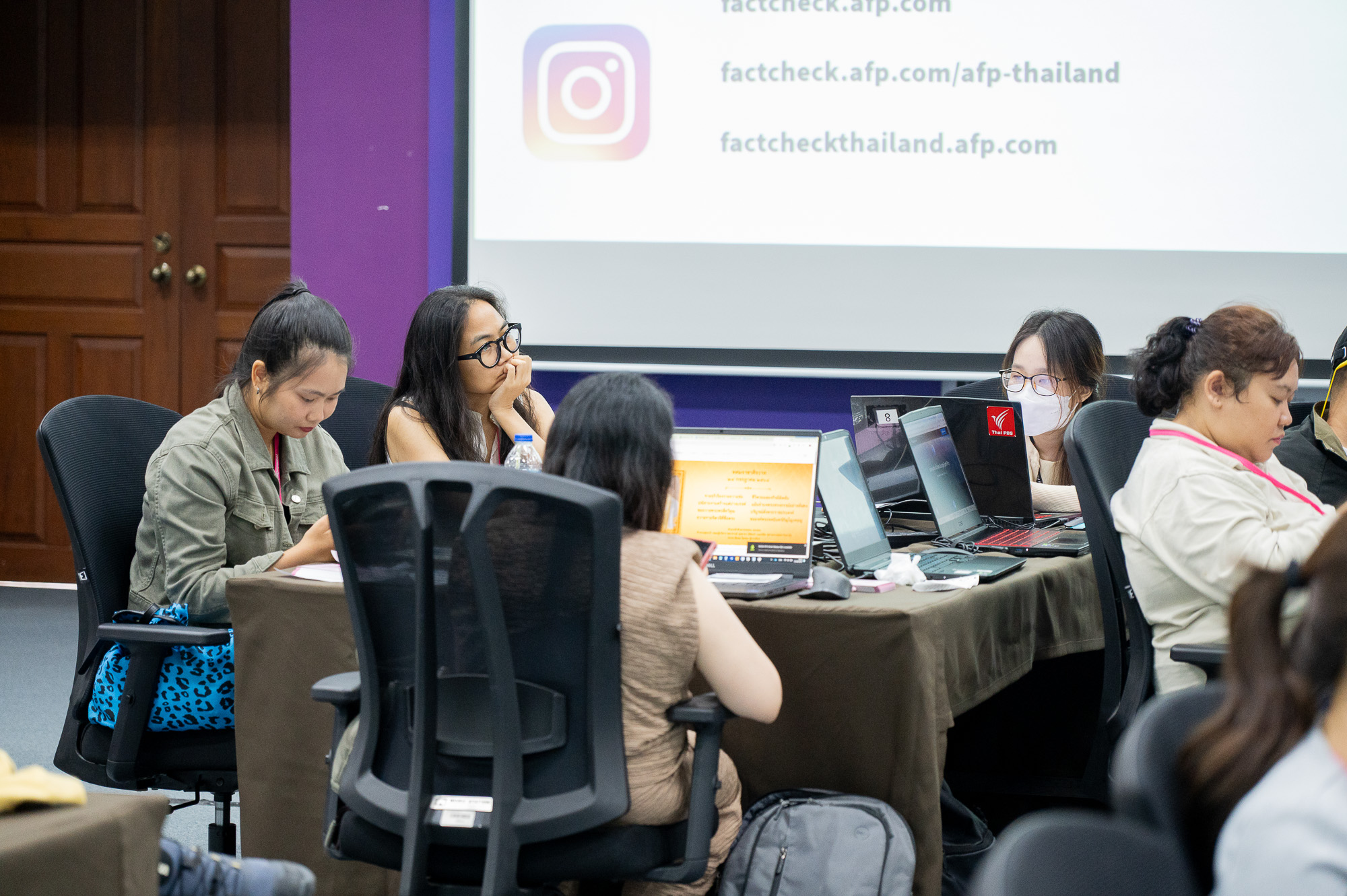

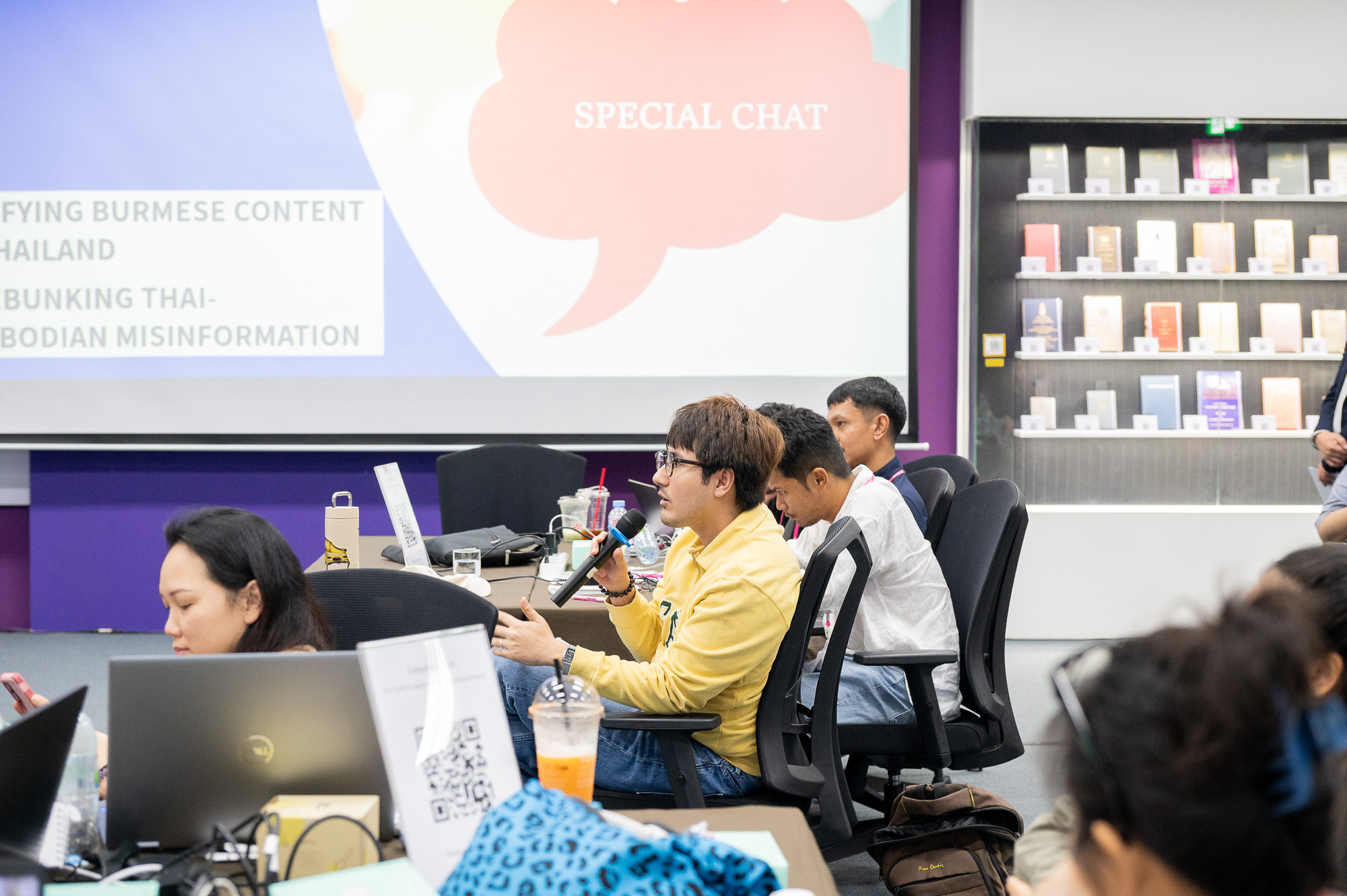
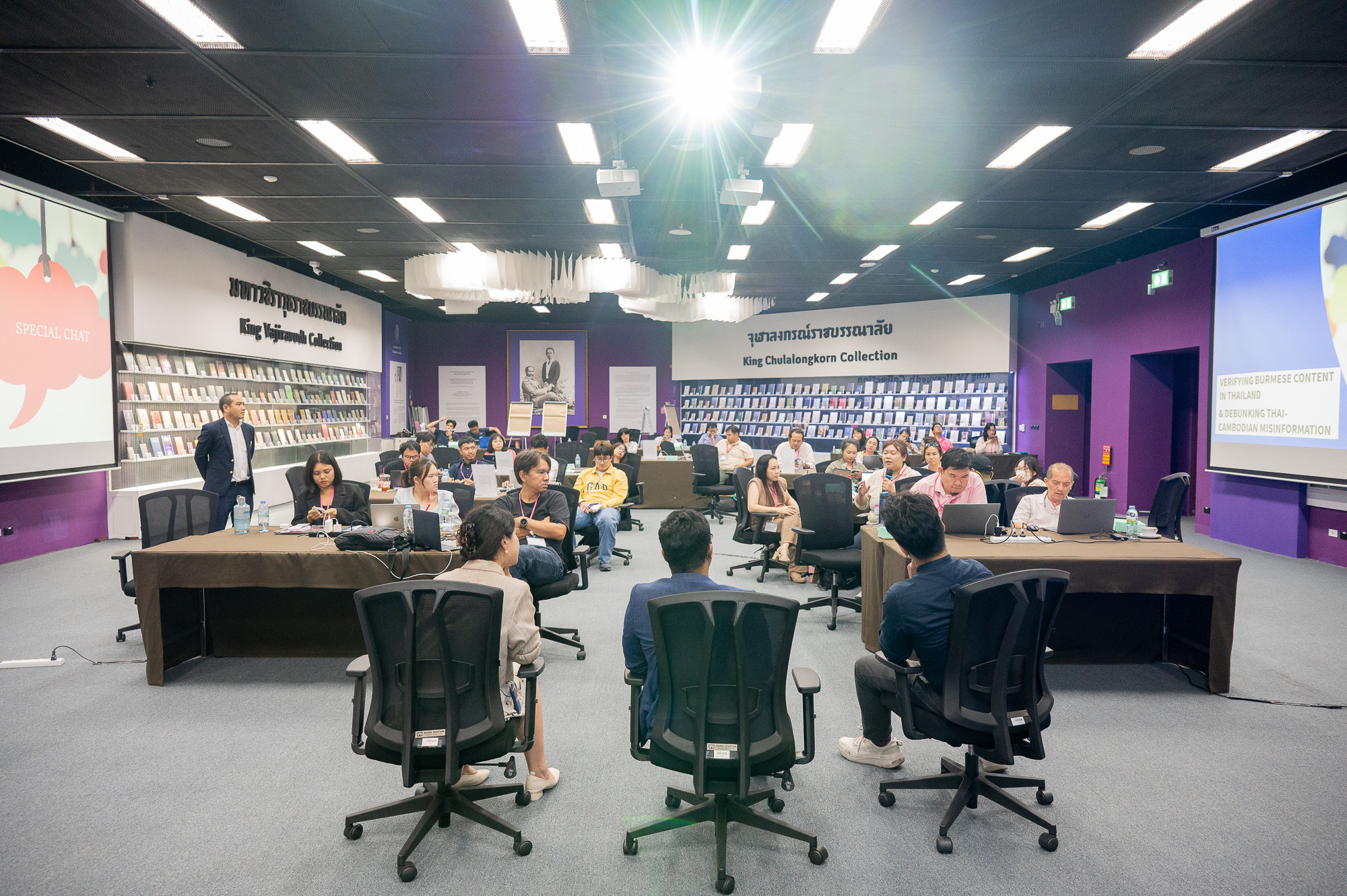
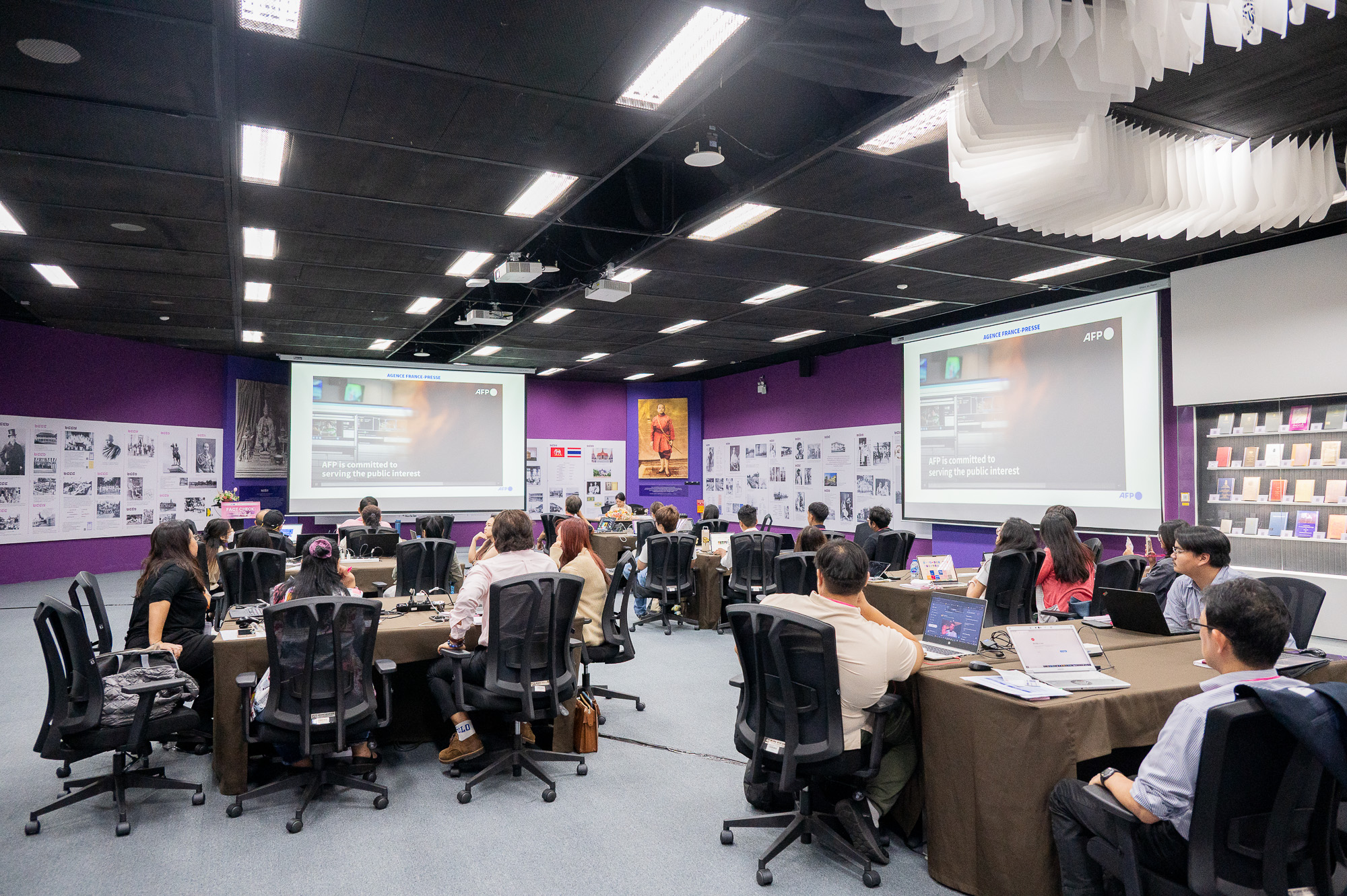
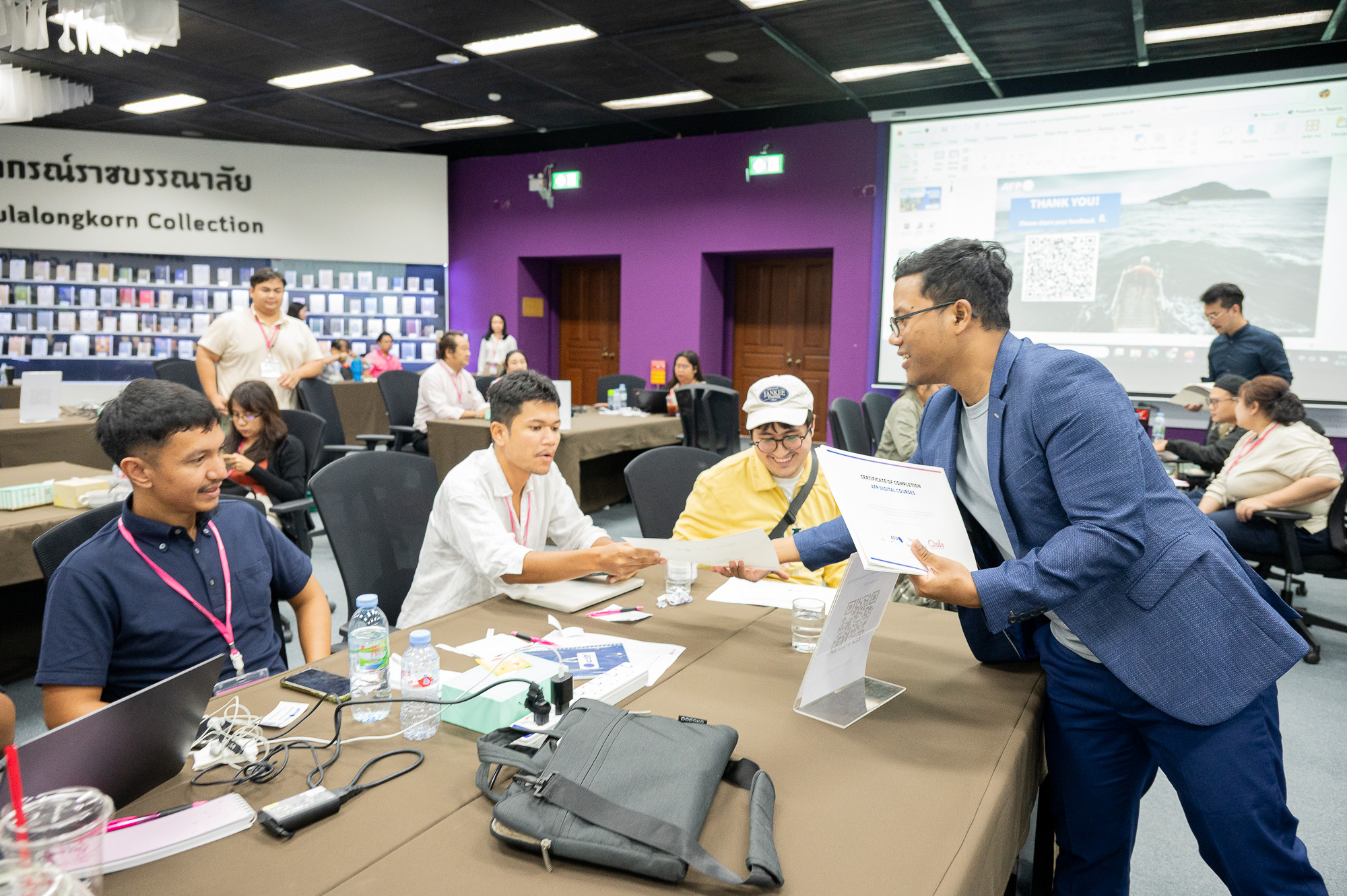
For instance:
Google Lens can be used to trace the origin of images or videos by identifying where and when they were first published and by whom. This is a crucial tool in verifying the authenticity of visual content, especially when used alongside Google Maps’ Street View to determine whether the image is recent or outdated.
In the case of breaking news, journalists can opt to utilize geolocation coordinates on Google Maps to identify the incident site and then search for related public posts on X (formerly Twitter) to gather real-time, local eyewitness accounts.

Positive Reception from the Media
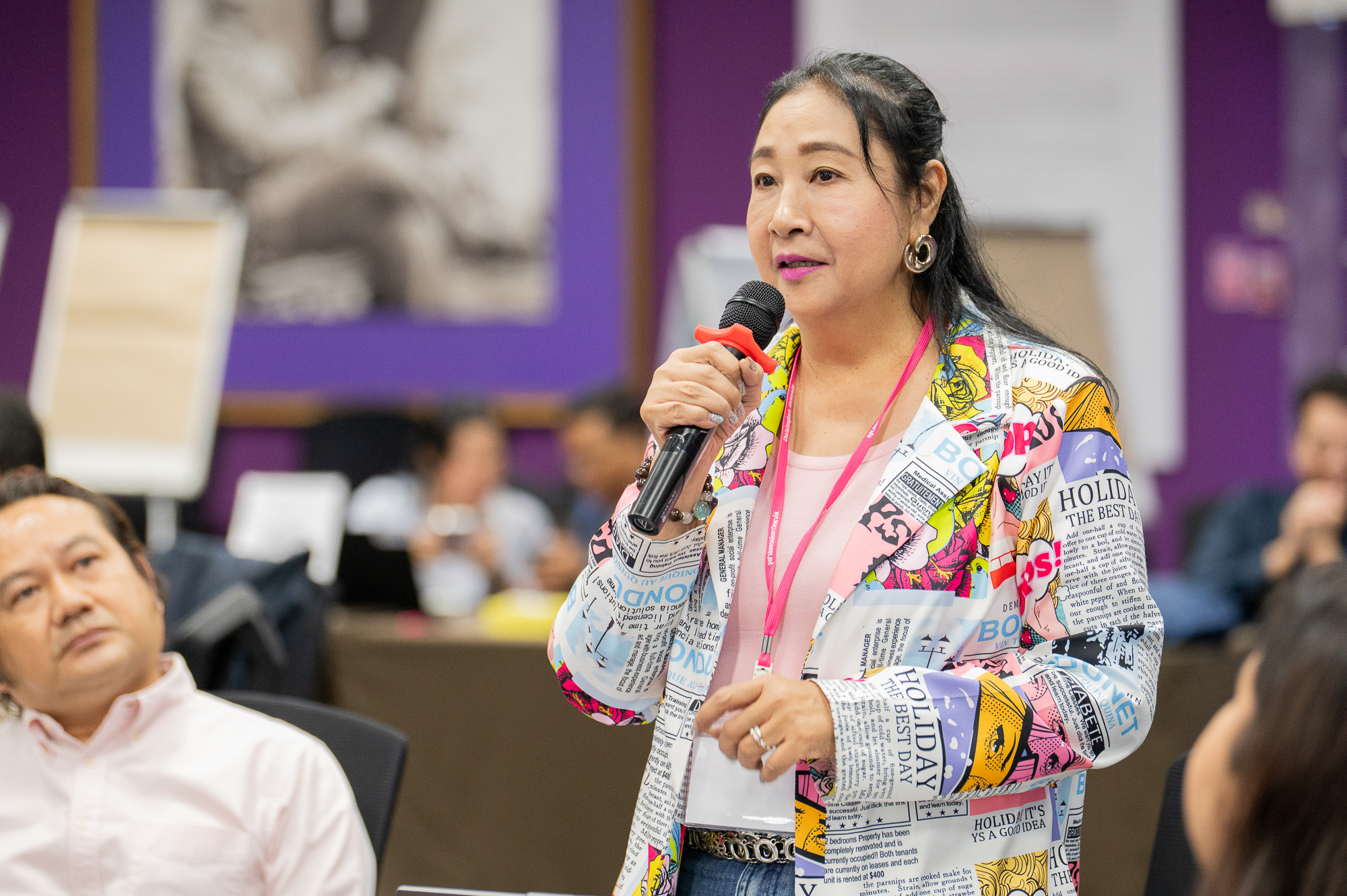
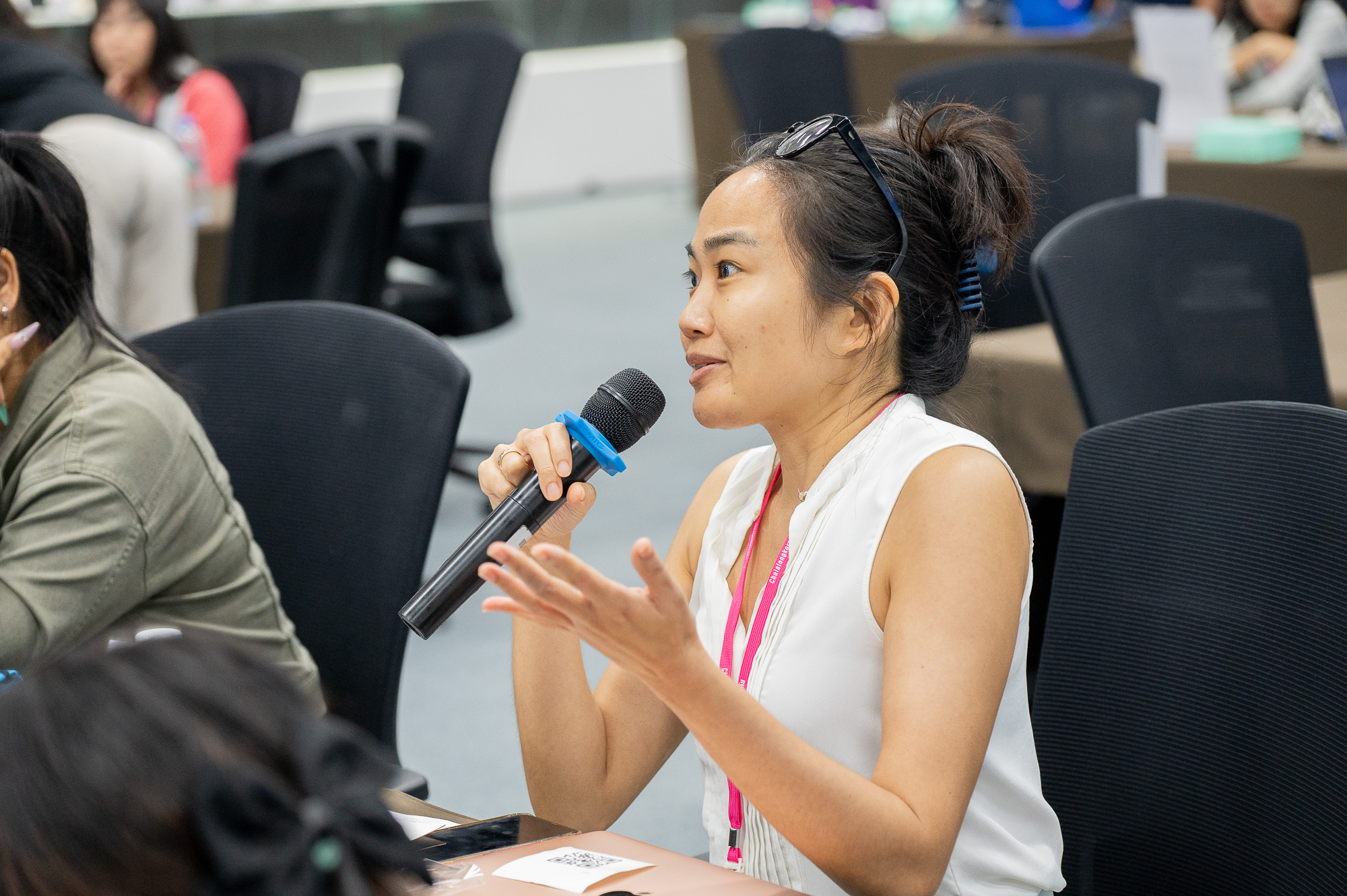
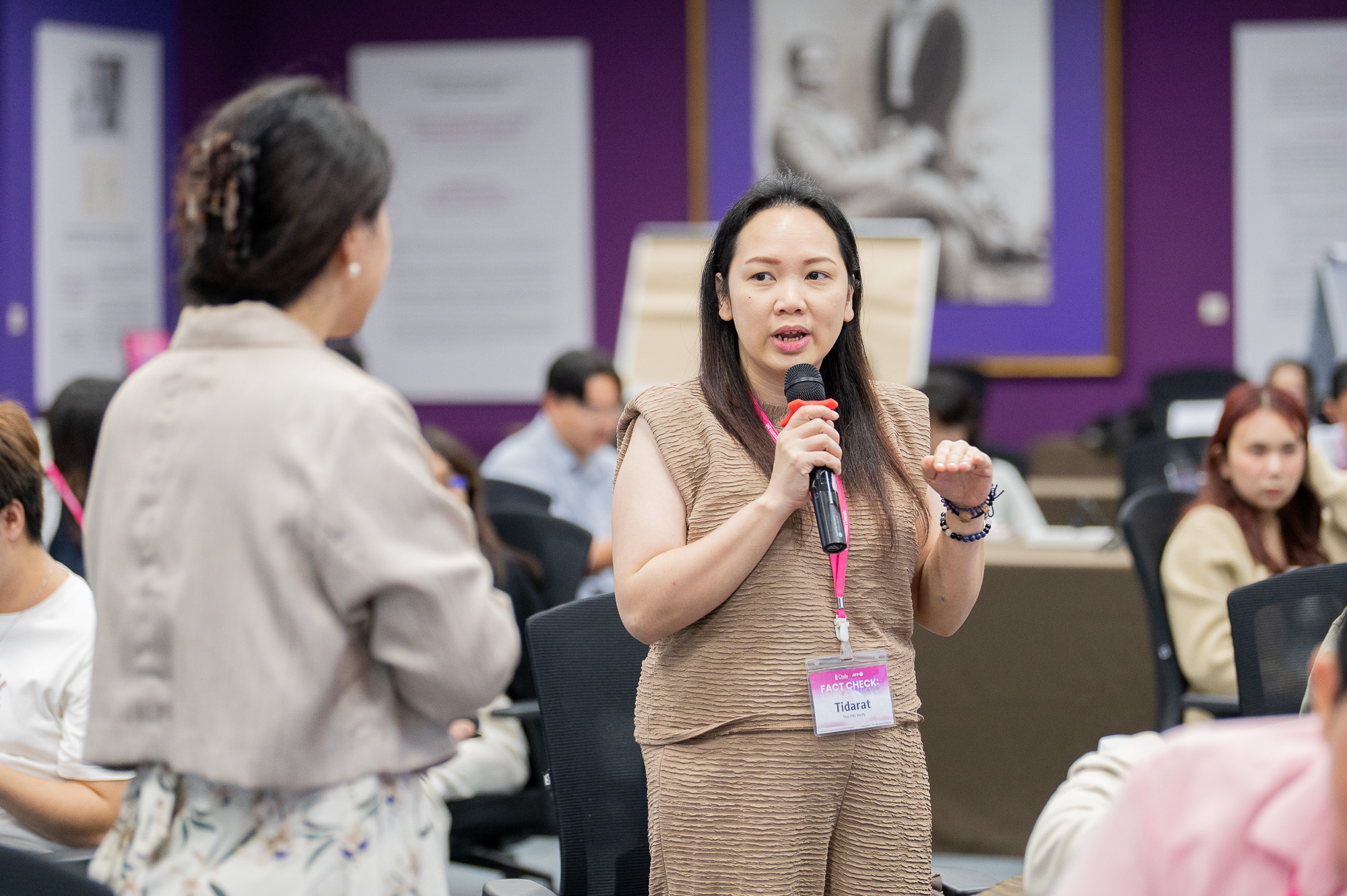
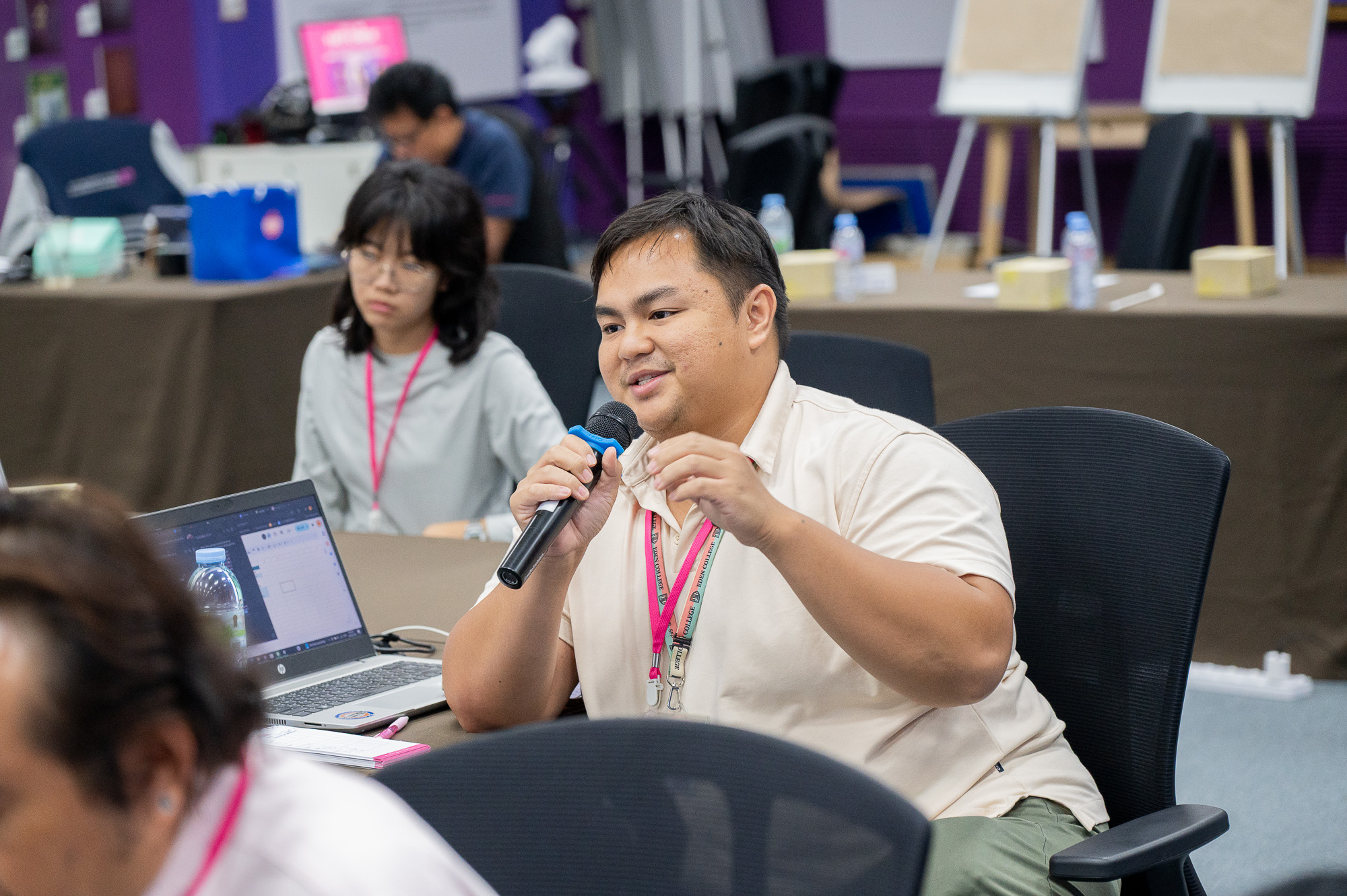
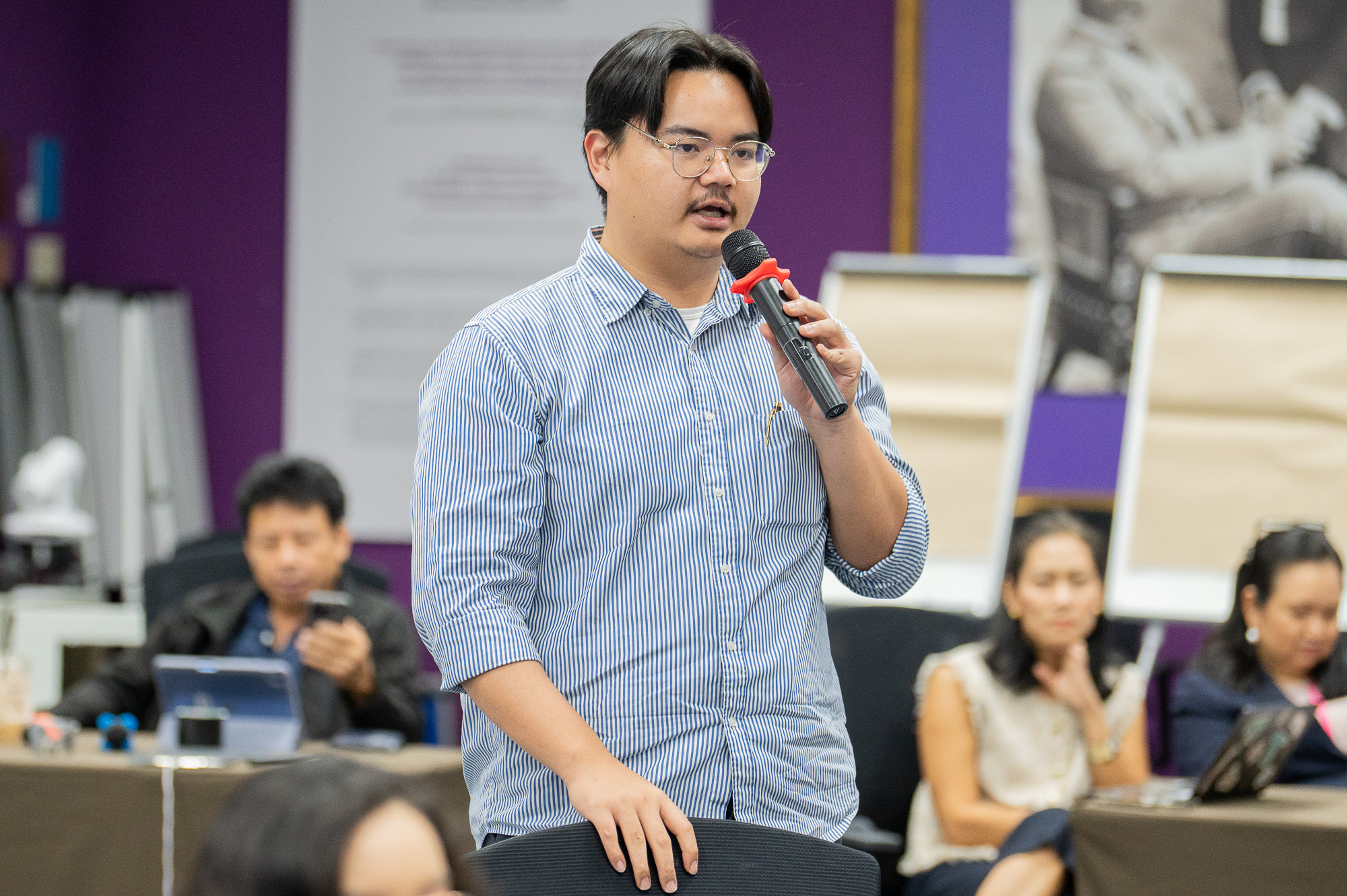
The workshop welcomed over 20 media professionals from a variety of news outlets, including , , , , ,, , , , and several independent and international media organizations.
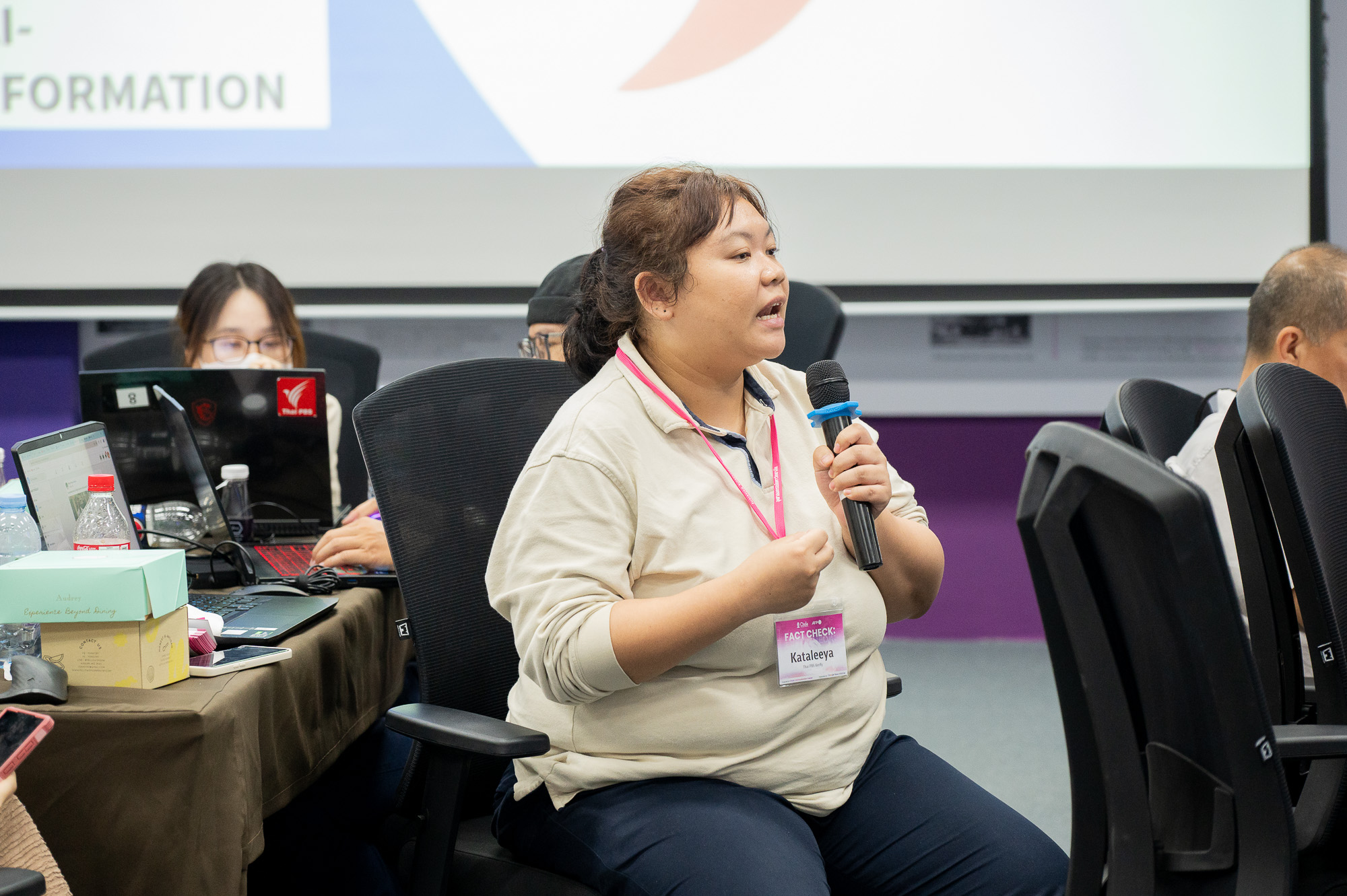
As Ms. Nannalin Tiengtae from the Bangkok Post remarked:
“One of the main challenges in journalism is dealing with the sheer volume of real-time information, which makes verification difficult. This workshop opened up new possibilities—especially learning to cross-check information across platforms using familiar tools like Google Lens, which I hadn’t realized could be used in this way.”
Mr. Pongpon Bangvijit from noted:
“We are constantly combating fake news and misinformation both online and on the ground. Although I was already familiar with some tools, this training offered deeper insights and more effective approaches for fact-checking, significantly enhancing the accuracy and robustness of our verification process.”
Ms. Ikuko Kihara from expressed her intention to apply the techniques in Japan:
“While fact-checking in Japan may face unique social and cultural challenges, it’s fascinating to explore how digital tools can be adapted to different media consumption contexts.”




Building a Responsible Media Ecosystem
This collaborative initiative marks a significant milestone in 麻豆国产’s commitment to promoting technological and AI literacy in journalism. It supports efforts to verify and filter information before dissemination, with the ultimate goal of serving the public interest, sustainably combating fake news, and laying the groundwork for a transparent, well-informed, and trustworthy media ecosystem in Thai society.